
Forget everything you know about retirement destinations. These under-the-radar American towns are rewriting the rules entirely.
Granbury, Texas's Lakeside Small Town Charm
Picture this: a shimmering lake at sunset, a historic courthouse square lined with restaurants, and a cost of living that won't drain your savings by year two. Granbury sits on Lake Granbury just southwest of Fort Worth, offering waterfront living without waterfront prices. The town square is one of the best-preserved in Texas, and the local theater scene punches well above its weight. Median home prices hover around $320,000 — reasonable for what you're getting.
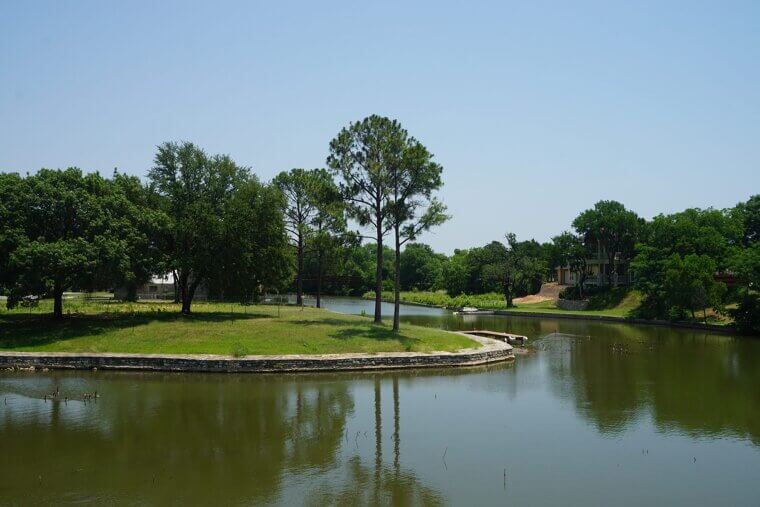
Granbury's warm winters, active senior community, and proximity to DFW medical facilities make it a quietly brilliant retirement choice that more people are discovering every year.
Bisbee, Arizona's Artsy Mountain Charm
The guy who retired to Bisbee didn't plan to stay. He just stopped for lunch and never left. That story repeats itself constantly in this former copper-mining town tucked into the Mule Mountains at 5,300 feet. Victorian-era buildings climb the hillsides, galleries occupy old storefronts, and the population skews heavily toward artists, free thinkers, and retirees who wanted something genuinely different. Summers stay cool. Winters are mild. And the community is one of the most welcoming in the Southwest.
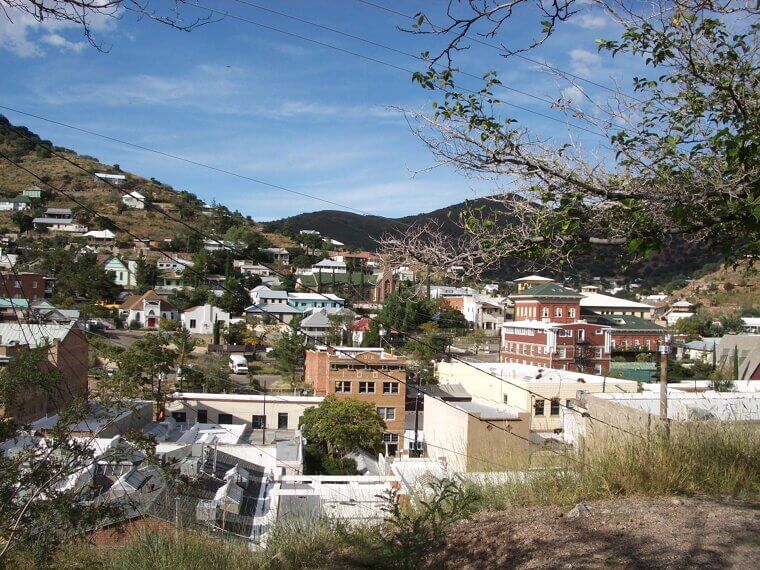
Home prices in Bisbee can dip below $200,000, making it one of Arizona's most affordable artsy escapes — a real rarity in a state where retirement towns keep getting pricier.
Salida, Colorado's Arkansas River Arts Town
Would you pay under $400,000 for a mountain town with world-class whitewater, a thriving arts district, and 300 days of sunshine? Salida sits along the Arkansas River in Colorado's Collegiate Peaks region, and retirees who discovered it a decade ago are now calling it the best decision they ever made. The downtown is walkable, the hot springs are nearby, and the outdoor recreation options are genuinely extraordinary. It's one of the few Colorado towns that still feels authentic rather than manufactured.
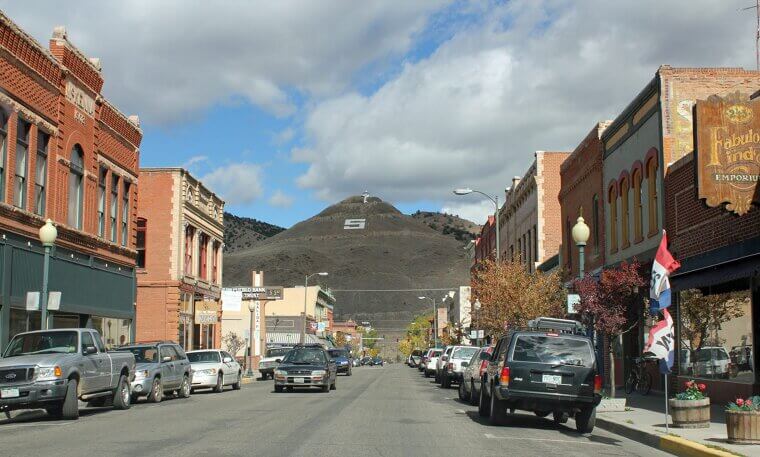
Salida's First Fridays art walk, independent coffee shops, and tight-knit community of creatives and outdoor enthusiasts give retired life here a texture that resort towns simply can't replicate.
Beaufort, South Carolina's Waterfront Appeal
Beaufort has been quietly charming retirees for decades, and the secret is finally getting out. Spanish moss hangs over antebellum homes. Dolphins cruise the tidal creeks. The historic district — one of the oldest in America — sits right on the Beaufort River, and you can walk to dinner from most neighborhoods. The town served as a filming location for Forrest Gump, The Big Chill, and The Prince of Tides, which tells you something about how cinematic this place actually looks in real life.
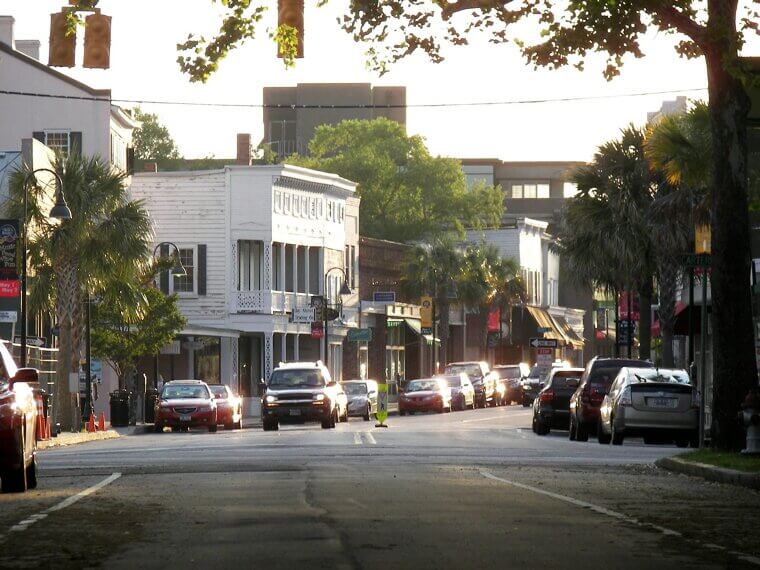
With Hilton Head just 40 minutes away and Savannah under an hour, Beaufort gives retirees coastal access, cultural depth, and a slower pace that bigger destinations charge a premium to fake.
Aiken, South Carolina's Equestrian Retirement Paradise
This might be the most underrated retirement town in the entire South. Aiken built its identity around horses — polo, thoroughbred training, steeplechase racing — and that equestrian culture created a community of remarkable sophistication tucked into the South Carolina Piedmont. Broad, tree-lined streets, a charming downtown, and a winter colony tradition dating back to the Gilded Age give Aiken an elegance that feels earned rather than staged. And the cost of living remains genuinely affordable by any coastal standard.
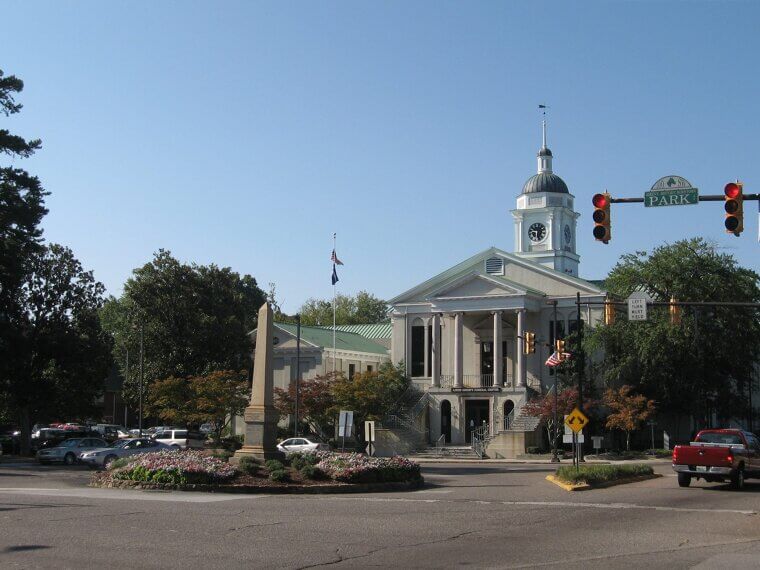
Aiken's combination of mild climate, low property taxes, and a thriving arts and equestrian scene makes it a standout pick for retirees who want refinement without a resort price tag.
Taos, New Mexico's Desert Culture Scene
The adobe walls glow gold at dusk. The mountains turn purple. And somewhere nearby, a gallery is hosting an opening that half the town will attend. Taos operates on its own frequency — part ancient Pueblo culture, part bohemian art colony, part high desert wilderness. Georgia O'Keeffe country. D.H. Lawrence country. Retirees who move here often describe it as the first place they've lived that genuinely surprised them every single week. The altitude is real at 6,969 feet, but most people adapt quickly.
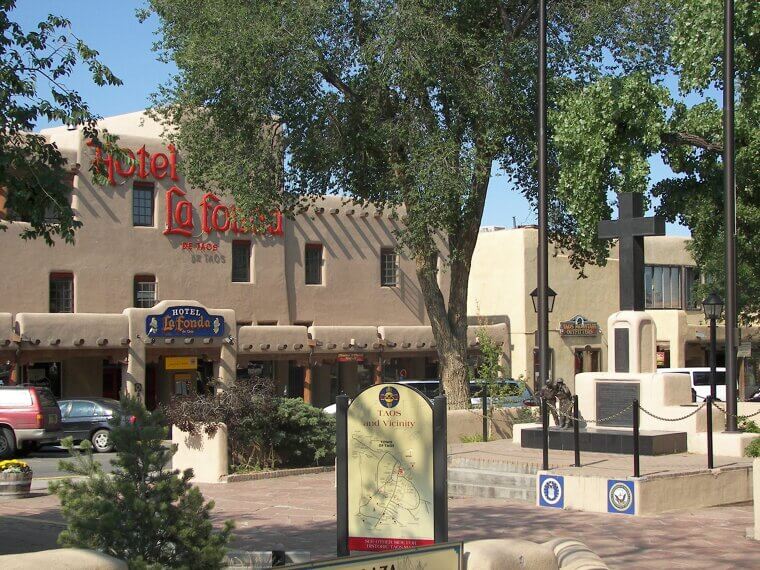
Taos Pueblo, the Rio Grande Gorge, and one of New Mexico's most vibrant gallery scenes give retirees a cultural and natural environment that simply doesn't exist anywhere else in America.
Astoria, Oregon's Columbia River Coastal Living
You've probably walked past a photo of Astoria without knowing it — the town appears in The Goonies, Kindergarten Cop, and Short Circuit. But the real Astoria is even better than its Hollywood cameos suggest. Perched where the Columbia River meets the Pacific, it offers Victorian architecture, a thriving arts and food scene, and that rare Pacific Northwest combination of dramatic scenery and genuine affordability. Home prices average around $350,000 — a fraction of what you'd pay in Portland or Seattle.
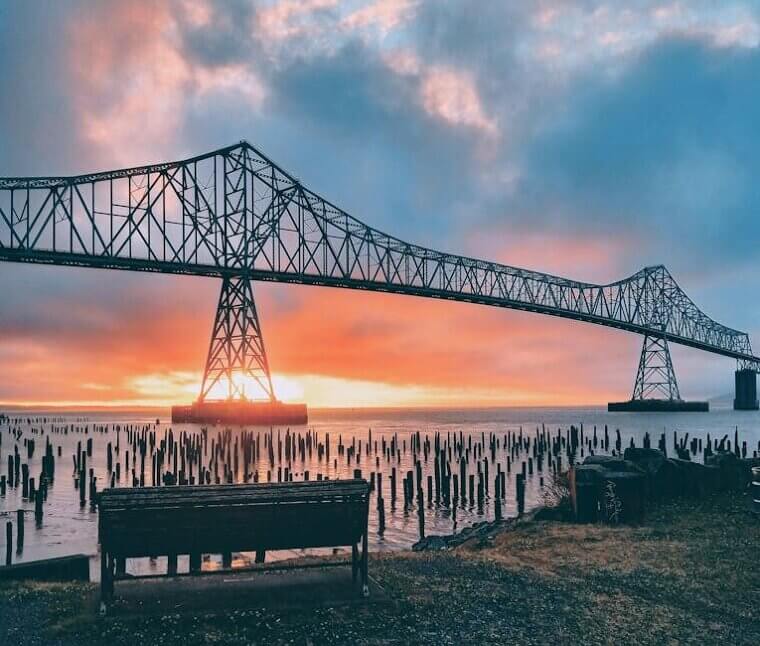
Astoria's fishing heritage, craft brewery culture, and spectacular views from the Astoria Column make it one of Oregon's most compelling retirement destinations for people who want coast without the crowds.
Traverse City, Michigan's Four-Season Beauty
Four seasons. Real ones. Traverse City sits at the tip of Grand Traverse Bay in northern Michigan, and it delivers summer sailing, fall color that rivals New England, winter skiing at nearby resorts, and spring cherry blossoms that draw visitors from across the Midwest. The food and wine scene — built around the region's famous cherry orchards and vineyards — is legitimately excellent. Retirees here tend to be active, engaged, and very smug about their decision, and honestly, they've earned it.
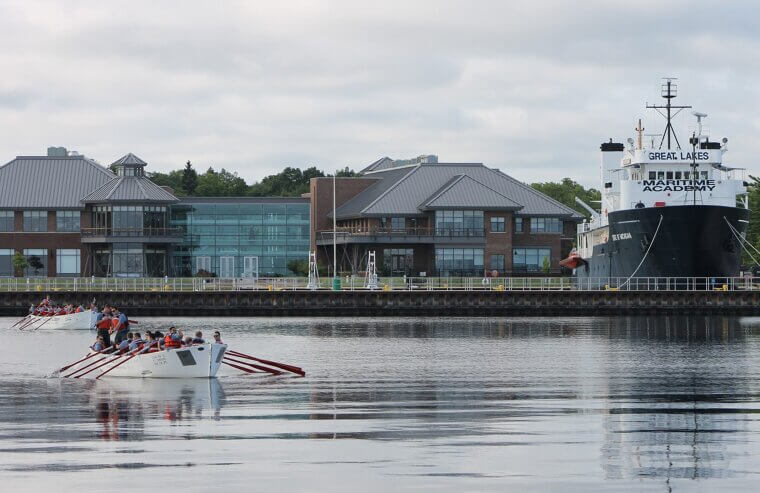
The National Cherry Festival, Sleeping Bear Dunes National Lakeshore, and a downtown packed with independent restaurants and shops give Traverse City a year-round energy most small towns can only dream about.
Hendersonville, North Carolina's Apple Country Retirement
Apple orchards in September. Waterfalls in spring. A mountain skyline that makes you stop mid-sentence. Hendersonville sits in the Blue Ridge Mountains just 30 minutes from Asheville, giving retirees access to one of America's most celebrated small cities without paying Asheville prices. The downtown has been steadily revitalized, and the local arts scene, farmers markets, and active senior community have earned Hendersonville consistent spots on national retirement rankings. Median home prices sit around $350,000 and climbing.
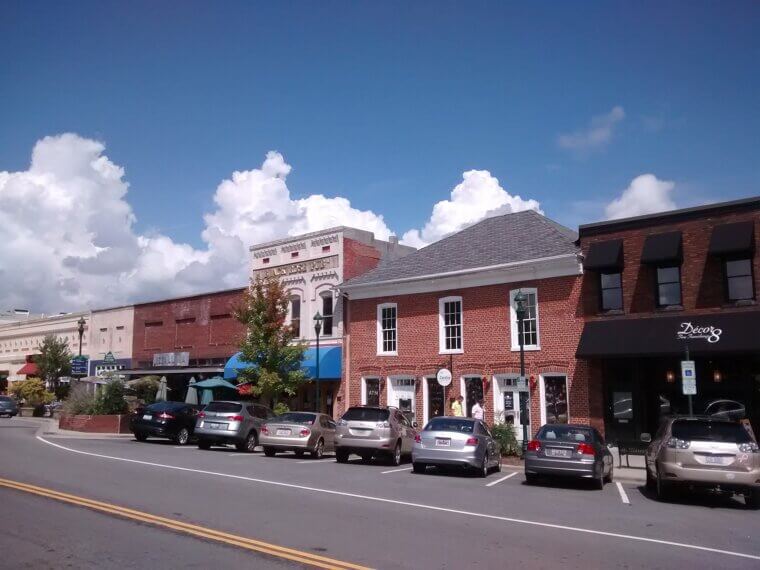
Hendersonville's apple heritage runs deep — the Henderson County Apple Festival has been running since 1947, and the orchards that surround the town make autumn here something genuinely worth moving for.
Dahlonega, Georgia's Gold Rush Town Legacy
Gold was discovered here in 1828 — before the California rush — and Dahlonega never quite got over the excitement. The historic town square still has that prospecting-era energy, anchored now by tasting rooms, boutiques, and a growing reputation as Georgia's wine country capital. The North Georgia mountains provide a scenic backdrop that surprises visitors who expect Georgia to be flat. At under $300,000 for a median home, Dahlonega offers mountain retirement living at a price point that's increasingly hard to find.
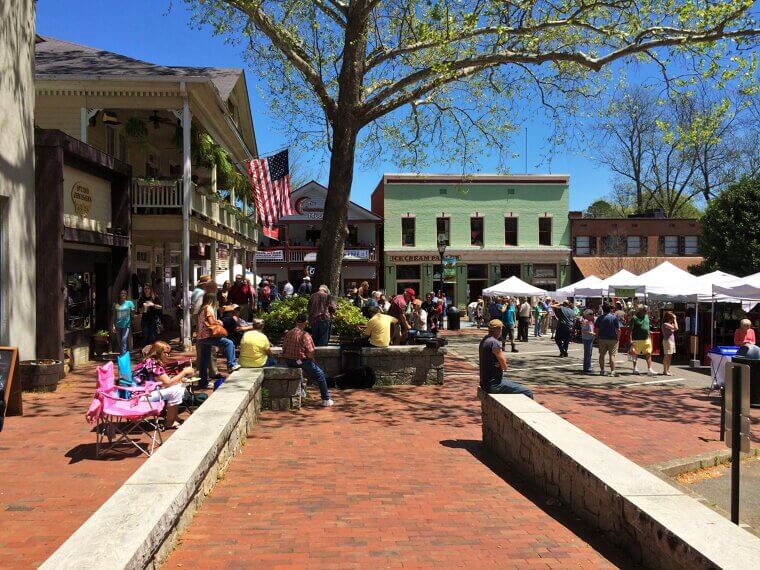
The University of North Georgia campus keeps Dahlonega young and culturally active, while the surrounding Chattahoochee National Forest offers hiking, fishing, and waterfalls within a short drive of downtown.
Flagstaff, Arizona's Ponderosa Pine Retirement Scene
$425,000. That's the median home price in Flagstaff — and for retirees coming from California or the Pacific Northwest, that number lands like a gift. At 7,000 feet, Flagstaff sits surrounded by the largest contiguous ponderosa pine forest in North America, with four genuine seasons, a walkable historic downtown, and Northern Arizona University bringing consistent cultural energy. Summers are cool while Phoenix bakes. And the Grand Canyon is 80 miles north, which stops being a novelty approximately never.
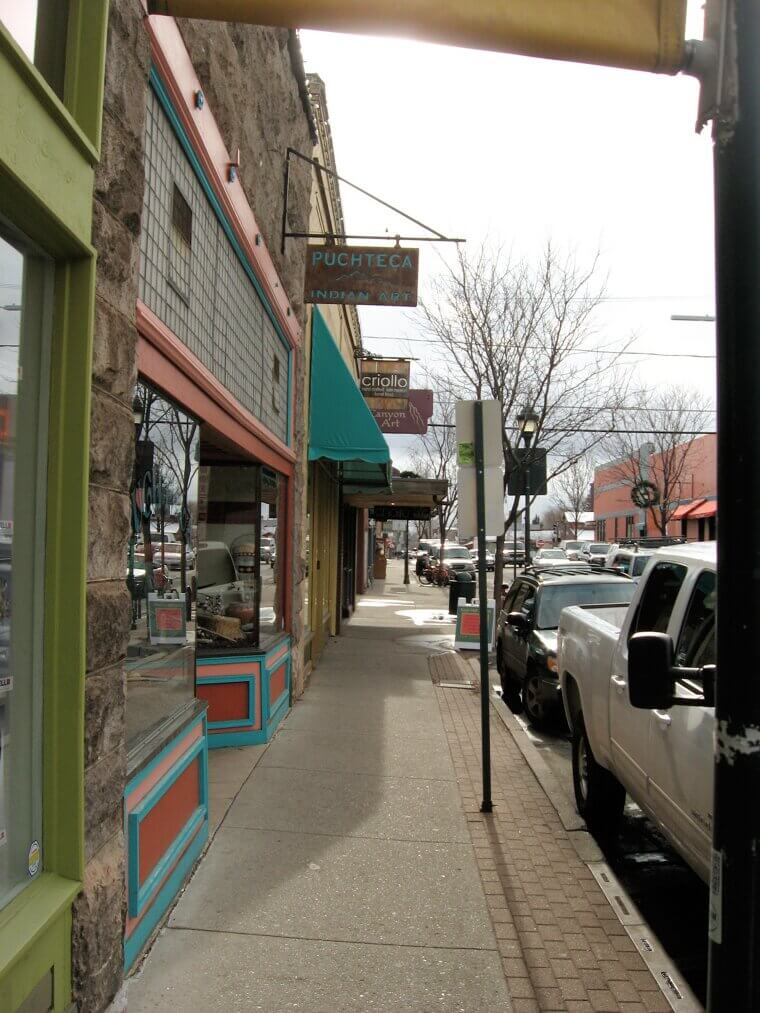
Flagstaff's dark sky designation, active outdoor recreation culture, and proximity to Sedona make it one of Arizona's most intellectually and physically stimulating places to spend retirement.
Port Townsend, Washington's Victorian Seaport Vibe
Test the waters in Port Townsend and you'll understand immediately why retirees keep choosing it over flashier Pacific Northwest destinations. This Victorian seaport at the northeastern tip of the Olympic Peninsula has barely changed in spirit since the 1880s, when it was expected to become a major West Coast city. That boom never came, which is exactly why it's so charming today. Ornate Victorian homes, an arts-forward community, and stunning views of the Olympics and Cascades define daily life here.
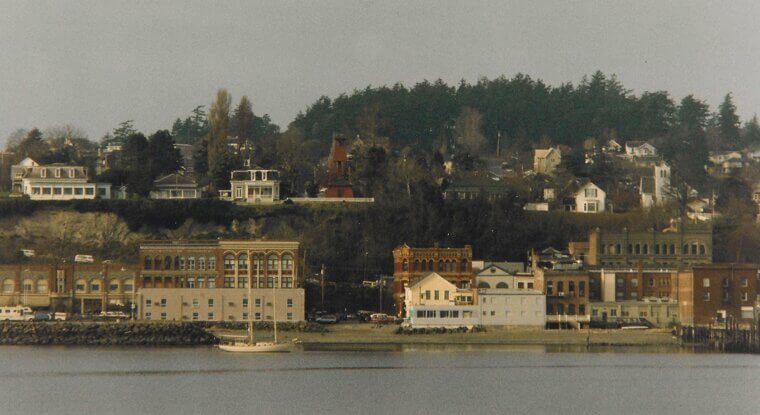
Port Townsend hosts one of the West Coast's best wooden boat festivals, a thriving film festival, and a year-round arts scene that punches far above its 10,000-person population in ambition and quality.
Brattleboro, Vermont's Creative River Valley Retreat
Brattleboro doesn't look like a retirement destination at first glance — it looks like a Vermont college town that decided to stay interesting forever. The Connecticut River frames one edge of town. Independent bookstores, co-ops, and galleries line Main Street. The food scene is legitimately excellent for a town of 12,000. And the surrounding hills offer hiking, skiing, and foliage that make every season worth staying for. Retirees here tend to be politically engaged, culturally curious, and deeply satisfied with their choice.
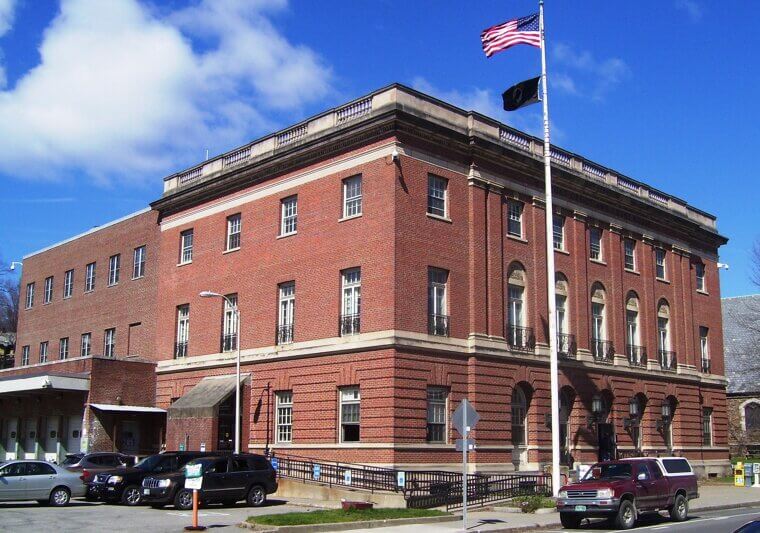
Vermont's lack of sales tax on clothing and groceries, combined with Brattleboro's walkable downtown and active arts community, makes this river valley town a compelling financial and cultural case for retirement.
Natchitoches, Louisiana's Historic Southern Charm
Natchitoches is the oldest permanent European settlement in the Louisiana Purchase territory — established in 1714 — and it carries that history with remarkable grace. The brick-paved Front Street along Cane River Lake is one of the most beautiful downtown streetscapes in the South, lined with Creole architecture, restaurants serving authentic Louisiana cuisine, and shops that haven't been replaced by chains. Steel Magnolias was filmed here in 1989, and the town still glows with that same warmth the movie captured.
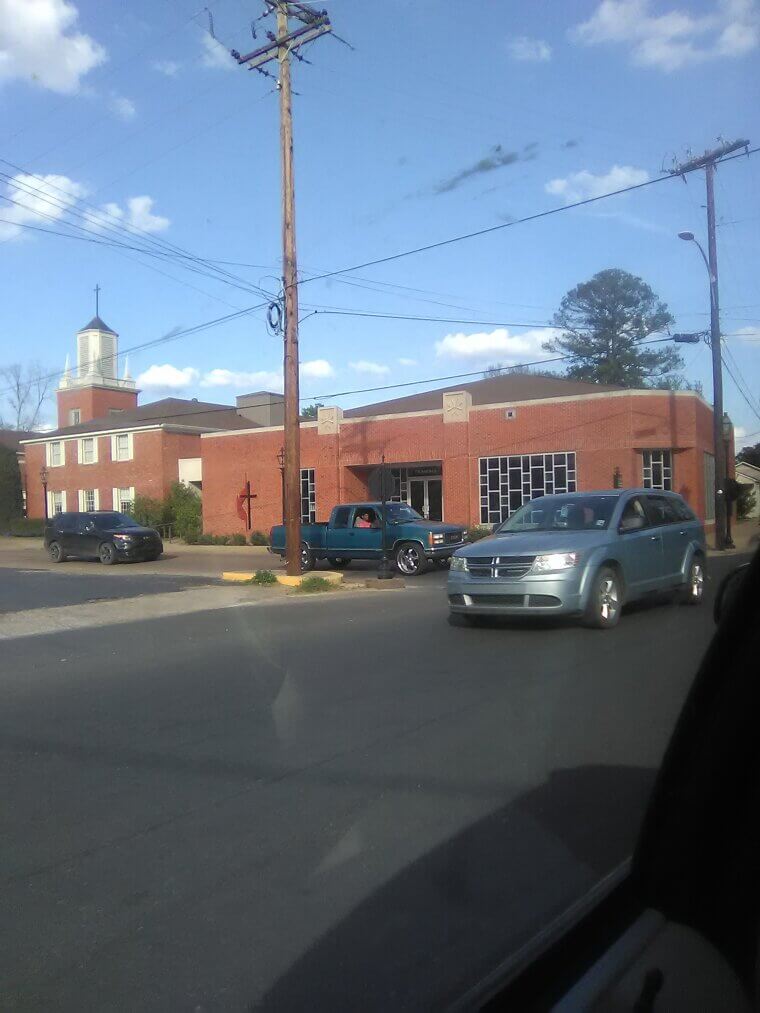
At median home prices well under $200,000, Natchitoches offers Southern historic charm at a price point that makes most retirees do a double take — then start calling real estate agents.
Silver City, New Mexico's High Desert Hidden Gem
Here's a number that stops people cold: $185,000. That's the median home price in Silver City, New Mexico — a high desert arts town at 5,900 feet with a thriving gallery scene, a historic downtown that survived the mining era with its character intact, and access to the Gila Wilderness, America's first designated wilderness area. Western New Mexico University keeps the town intellectually alive. The climate is genuinely pleasant. And retirees who find it tend to feel like they've discovered something the rest of the country hasn't caught up to yet.
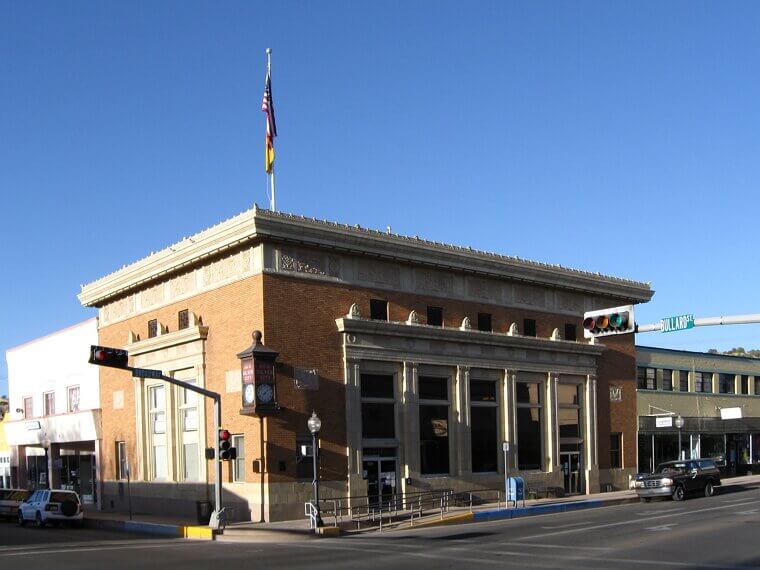
Silver City's combination of affordability, cultural richness, and outdoor access makes it one of the most compelling hidden retirement values in the entire Southwest — and the secret is slowly getting out.
Brevard, North Carolina's Waterfall Wonderland
More than 250 waterfalls within a 30-mile radius. That's not a tourism brochure exaggeration — Brevard genuinely sits in one of the most waterfall-dense regions in North America, tucked into Transylvania County in the Blue Ridge Mountains. The town itself is charming, walkable, and anchored by the Brevard Music Center, which brings world-class performances to this small mountain community every summer. White squirrels — a genuine local phenomenon — roam the downtown, which tells you something about how delightfully eccentric this place is.
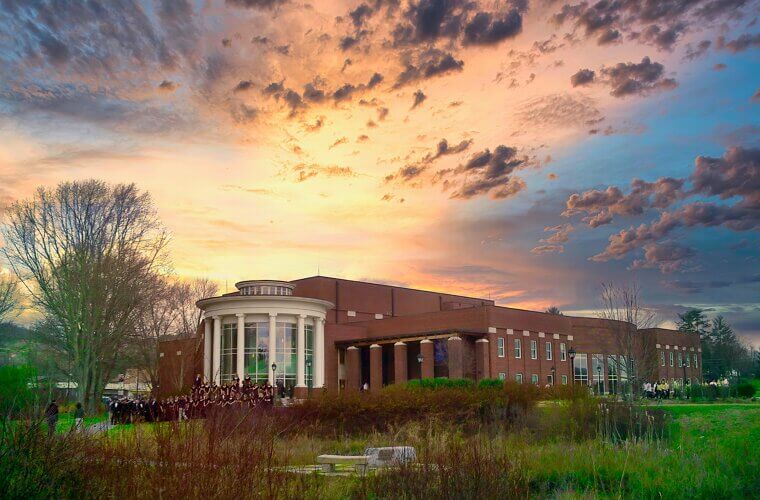
Brevard's Pisgah National Forest backyard, active cycling culture, and thriving downtown arts scene make it a mountain retirement option that combines natural wonder with genuine community character.
Whitefish, Montana's Glacier Country Retirement Life
Glacier National Park is 25 miles away. The ski resort is 8 miles from downtown. And somehow, Whitefish still manages to feel like a real town rather than a manufactured resort village. That authenticity — a working Main Street with local businesses, a genuine community identity, a history beyond tourism — is what separates Whitefish from the Aspens and Jacksons of the world. Median home prices have climbed past $700,000, which reflects how thoroughly the secret is out. But retirees who got here early are sitting on extraordinary investments.
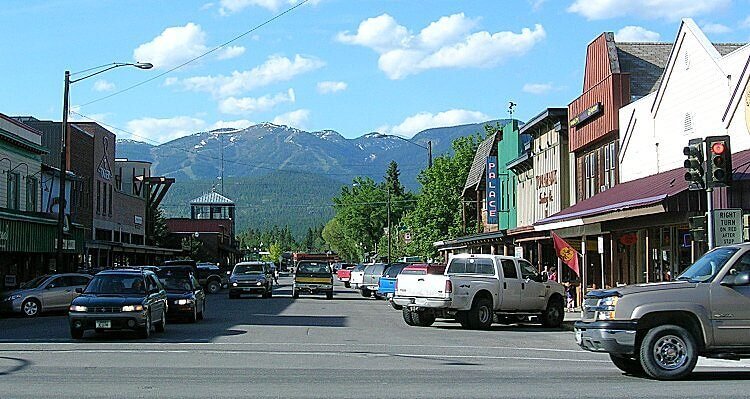
Whitefish Lake, the Big Mountain ski area, and direct Amtrak service on the Empire Builder route give Whitefish a combination of natural access and connectivity that Montana retirement towns rarely achieve.
Keene, New Hampshire's Quaint New England Appeal
Keene sits in the southwestern corner of New Hampshire, surrounded by hills that turn incandescent every October. The downtown is a textbook New England main street — wide, tree-lined, anchored by independent shops and restaurants that have survived every retail trend. Keene State College keeps the cultural calendar active. And New Hampshire's tax structure — no income tax, no sales tax — makes the financial case for retirement here surprisingly compelling despite home prices averaging around $350,000.
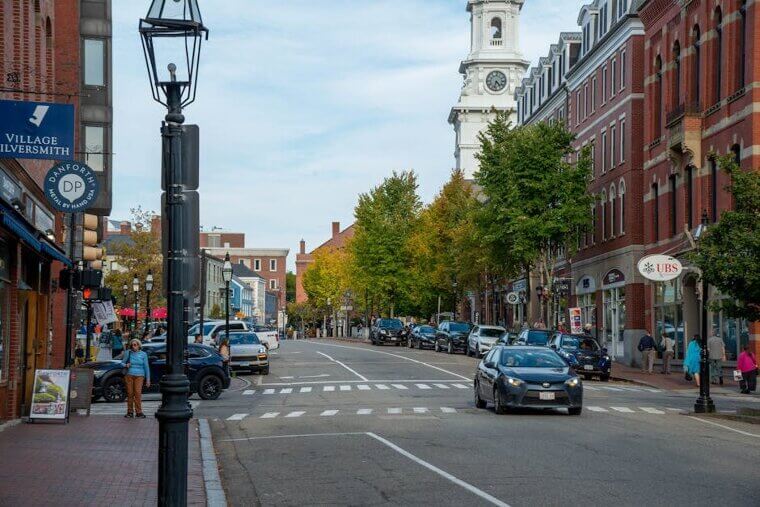
Keene's Pumpkin Festival once held the world record for most lit jack-o'-lanterns simultaneously — a detail that perfectly captures the town's combination of community spirit and quietly competitive New England personality.
Tybee Island, Georgia's Laid-Back Coastal Retirement
Nobody retires to Tybee Island to be productive. That's the whole point. This small barrier island just 18 miles from Savannah operates on beach time, full stop — fishing piers, kayak launches, back-porch sunsets, and a social scene built around seafood restaurants and neighborhood bars where everyone knows your name within a week. It's Savannah's beach, which means world-class dining, history, and culture are a short drive away whenever the island's charms need supplementing.
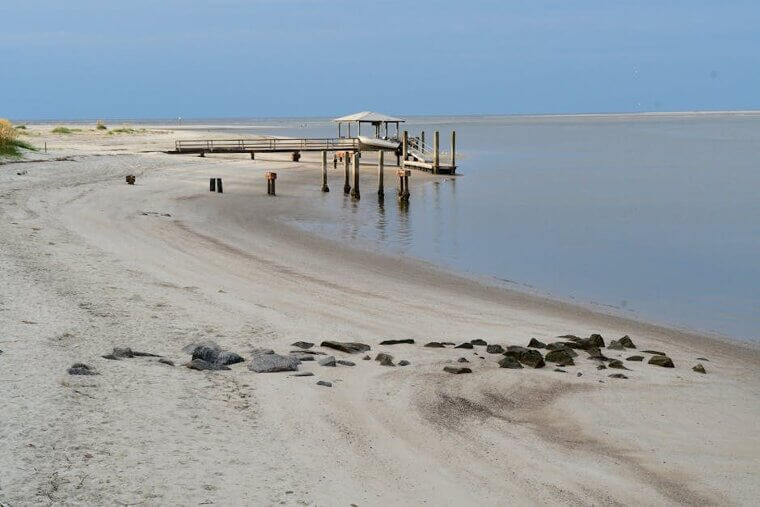
Tybee's year-round mild climate, strong sense of local identity, and proximity to Savannah's medical facilities and cultural amenities make it a laid-back coastal retirement that doesn't require sacrificing convenience.
Sitka, Alaska's Wild and Scenic Retirement Life
This one requires a different kind of retiree. Sitka sits on Baranof Island in Southeast Alaska, accessible only by plane or ferry, surrounded by temperate rainforest, volcanic peaks, and some of the richest marine wildlife on Earth. Humpback whales in the harbor. Sea otters in the kelp beds. Bald eagles as background noise. The former capital of Russian America carries deep history alongside its wild setting. It's not for everyone — but for the right person, it's unlike anywhere else on this list.
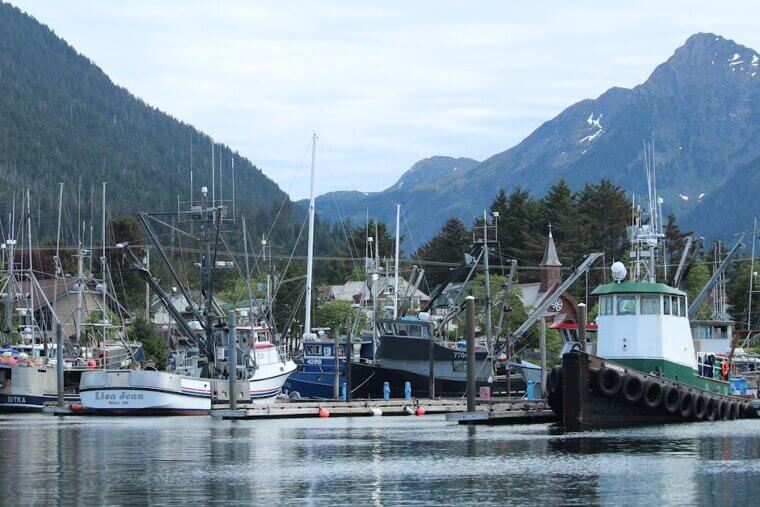
Sitka's Alaska Native heritage, Russian Orthodox cathedral, and extraordinary natural setting create a retirement experience that trades convenience for a depth of place most American towns simply cannot offer.
Paducah, Kentucky's Quilt City Arts Destination
Paducah was designated a UNESCO Creative City of Crafts and Folk Art in 2013 — one of only a handful of American cities to hold that distinction. The designation came largely because of the National Quilt Museum, which draws visitors from around the world to this western Kentucky river town. But Paducah's appeal goes beyond quilts: a beautifully restored downtown, an active arts district, and home prices that average around $175,000 make it one of the most affordable genuinely creative retirement destinations in America.
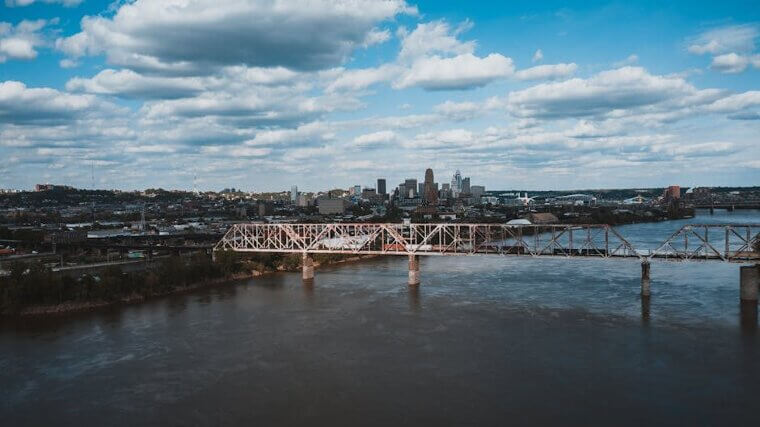
Paducah's location at the confluence of the Ohio and Tennessee rivers, combined with its UNESCO recognition and remarkably low cost of living, makes it a retirement value that's genuinely hard to argue with.
Fredericksburg, Texas's Hill Country Wine Trail
The Texas Hill Country smells like cedar and wildflowers in spring, and nowhere captures that sensory richness better than Fredericksburg. Founded by German immigrants in 1846, the town retains its European character in its architecture, its food culture, and its wine industry — the surrounding Hill Country AVA now produces some of Texas's most celebrated bottles. Median home prices have climbed past $550,000 as the secret spread, but the combination of culture, scenery, and community keeps drawing retirees willing to pay for it.
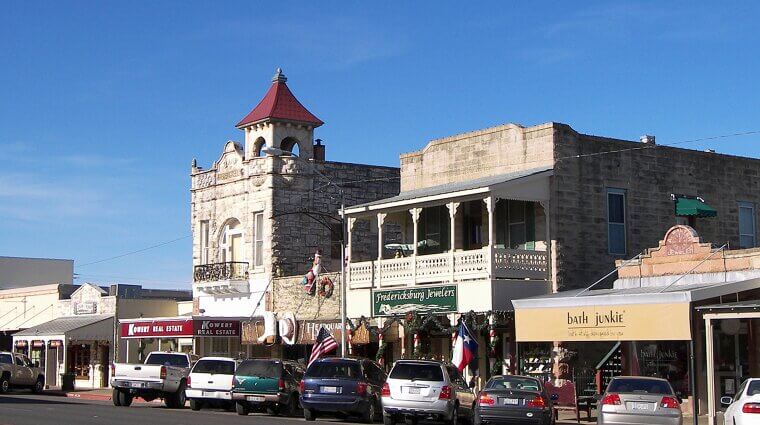
Fredericksburg's Hauptstrasse, lined with boutiques, wine tasting rooms, and restaurants, creates a walkable downtown experience that feels more like a European village than a Texas retirement town — and retirees love every minute of it.
Sequim, Washington's Lavender Fields Retirement Haven
Sequim sits in the rain shadow of the Olympic Mountains, which creates a microclimate so dry and sunny that lavender — typically a Mediterranean crop — thrives here in extraordinary abundance. The Lavender Festival draws tens of thousands of visitors each July, but the town's appeal runs deeper than purple fields. Olympic National Park is minutes away. The Dungeness Spit is one of the longest natural sand spits in the world. And home prices around $450,000 feel reasonable given what the location delivers.
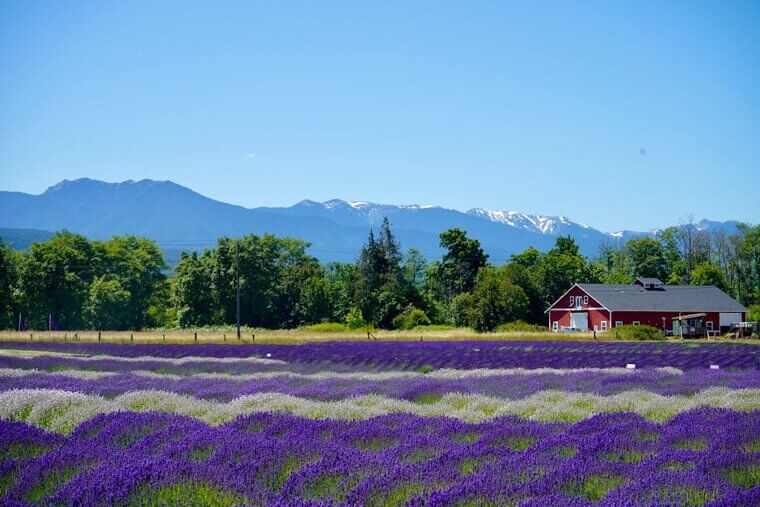
Sequim's nickname 'the Banana Belt of the Pacific Northwest' isn't sarcasm — it genuinely receives less annual rainfall than Los Angeles, making it a revelation for retirees who love the region but dread the grey.
Sandpoint, Idaho's Mountain Lake Retirement Dream
$650,000 median home price. Sandpoint makes you feel every dollar. Lake Pend Oreille — one of the deepest and most beautiful lakes in America — wraps around this northern Idaho town, with the Selkirk and Cabinet mountains rising behind it. Schweitzer Mountain Resort is 11 miles away. The downtown is genuinely charming. And the community has attracted a mix of outdoor enthusiasts, artists, and remote workers that gives it a cultural energy unusual for a town of 9,000. Retirees who find it rarely leave.

Lake Pend Oreille's 43-mile length and 1,150-foot depth make it a world-class sailing, fishing, and kayaking destination right at Sandpoint's doorstep — a natural amenity that justifies the premium for water-loving retirees.
Livingston, Montana's Yellowstone Gateway Retirement Town
Livingston has a literary myth around it — Peter Fonda, Tom McGuane, Jim Harrison, and Richard Brautigan all called it home at various points, drawn by the Yellowstone River, the dramatic Paradise Valley, and a saloon culture that never apologized for itself. The real town lives up to the legend. Yellowstone National Park is 53 miles south. The fly-fishing is world-renowned. And while home prices have risen with Montana's popularity, Livingston still feels like a place where the landscape does most of the talking.
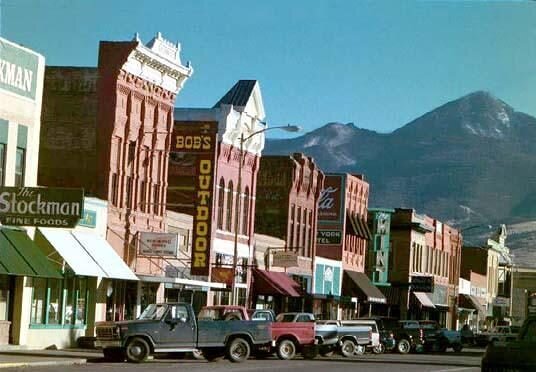
The Yellowstone River runs right through Livingston, and the wind — famously relentless — is either a dealbreaker or a feature depending on your personality. Most retirees who stay call it character.
Easton, Maryland's Chesapeake Bay Shoreline Life
Easton sits on the Eastern Shore of Maryland, where the Chesapeake Bay defines everything — the food, the pace, the light on the water at dawn, the way conversations eventually circle back to crabs and boats. The town itself is surprisingly sophisticated for its size, with a strong arts scene anchored by the Academy Art Museum and a restaurant culture that punches well above its weight. Median home prices around $450,000 reflect a community that's been discovered, but not yet overwhelmed.
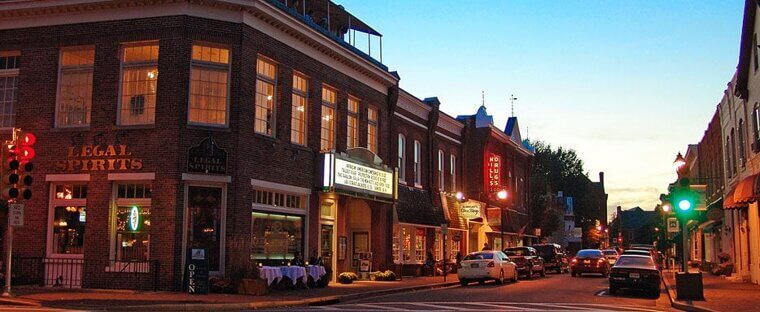
The Waterfowl Festival each November draws collectors and nature enthusiasts from across the country, and the surrounding Chesapeake marshland offers birding, kayaking, and sunset views that make retirement here feel genuinely restorative.
Cape Girardeau, Missouri's Mississippi River Retirement Spot
Cape Girardeau doesn't make many national retirement lists, which is precisely what makes it worth discussing. This Mississippi River town in southeastern Missouri offers solid healthcare through Saint Francis Medical Center, a revitalized downtown, Southeast Missouri State University's cultural programming, and home prices that average around $200,000. The river views are legitimately dramatic. Rush Limbaugh grew up here, which is either a selling point or a warning depending on your politics, but the town itself is welcoming across the spectrum.
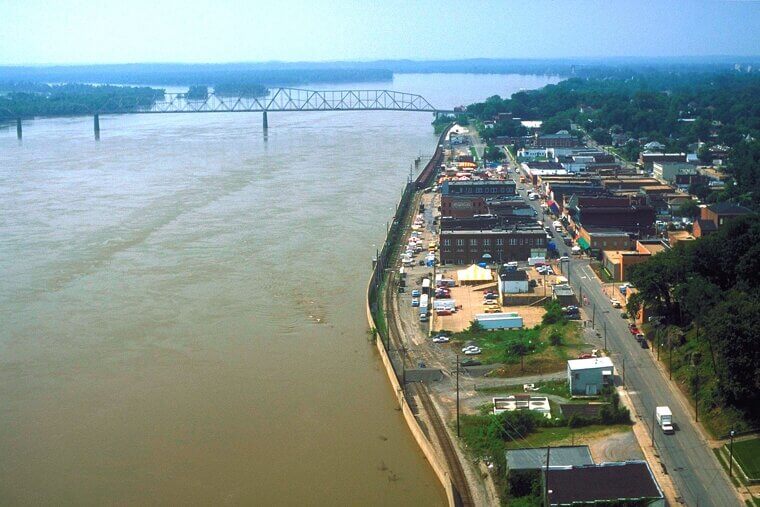
Cape Girardeau's Trail of Tears State Park, riverfront murals, and growing restaurant scene make it an affordable Midwest retirement option that rewards retirees willing to look past its low national profile.
Walla Walla, Washington's Wine Country Retirement
Walla Walla produces some of Washington's — and America's — most acclaimed wines, and the town built around that industry has developed a food and culture scene that would feel at home in a city five times its size. The downtown is walkable and beautifully maintained. Whitman College brings intellectual energy and world-class performance to a community of 33,000. And the surrounding Blue Mountains offer hiking and scenery that the wine country brochures somehow undersell. Median home prices around $375,000 feel like a reasonable trade.
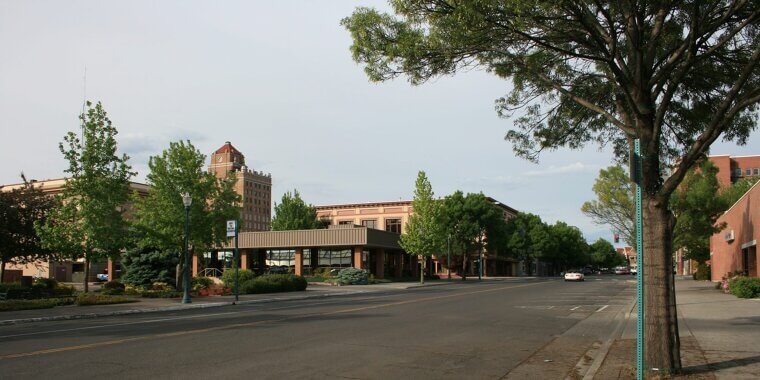
Walla Walla's sweet onions are as famous as its wines in agricultural circles — a quirky detail that perfectly captures a town with more depth, more character, and more genuine identity than its modest size suggests.
Eureka Springs, Arkansas's Victorian Hillside Village
Eureka Springs was built by people who didn't care much for flat ground. The entire town cascades down the Ozark hillsides in a tangle of Victorian architecture, none of which sits on a street grid because no street grid was ever possible here. It's been an arts colony, a healing springs destination, and a quirky tourist town — sometimes all at once. The result is one of America's most genuinely eccentric small towns, where retirees who value character over conformity find an immediate and enthusiastic home.
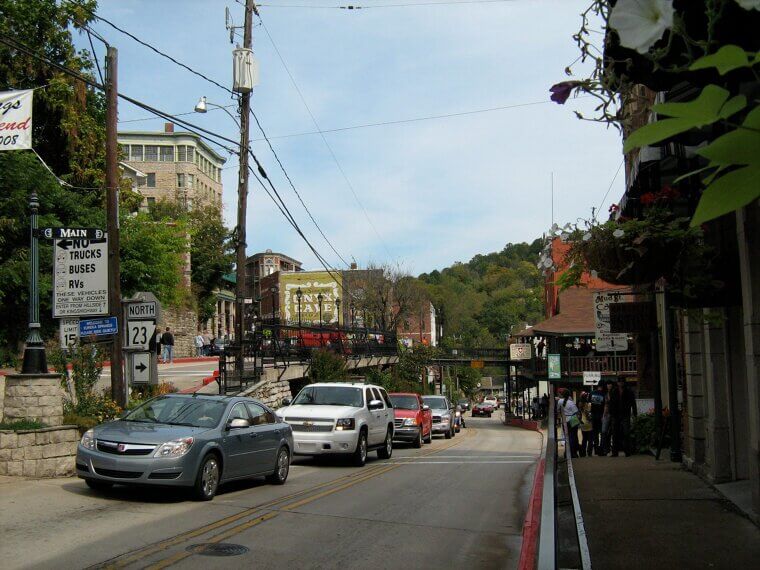
Eureka Springs' entire downtown is on the National Register of Historic Places, and the town's legendary tolerance for eccentricity has made it a magnet for artists, LGBTQ+ retirees, and anyone who finds conventional retirement towns mildly suffocating.
Hot Springs, Arkansas's Spa Town Retirement Allure
Hot Springs had its golden era when Al Capone vacationed here and the Bathhouse Row on Central Avenue was the most glamorous spa destination in America. The glamour faded, then came back in a different form — the Bathhouse Row buildings are now museums, breweries, a spa, and cultural spaces, and the national park that surrounds the town gives Hot Springs a protected natural setting that most Arkansas cities can only envy. Median home prices around $200,000 make the lifestyle here extraordinarily accessible.
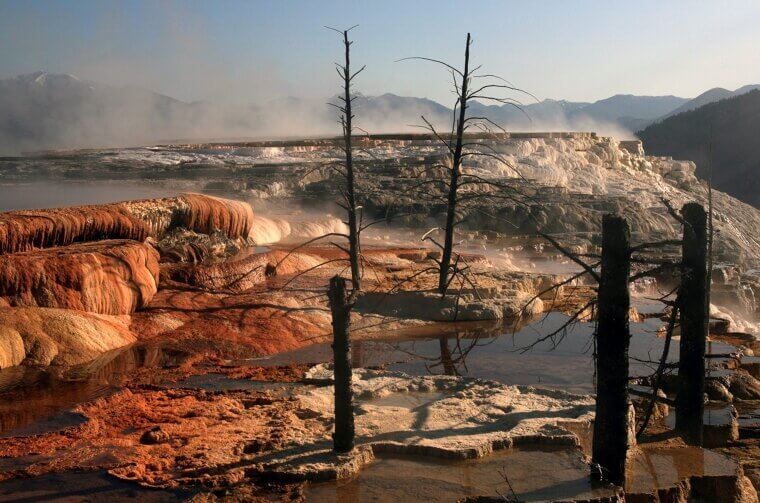
Hot Springs National Park — the oldest federal reservation in the country, predating Yellowstone — sits directly within the city limits, giving retirees a national park as a literal backyard at a price that feels almost implausible.
Oxford, Mississippi's Literary Hometown Retirement Appeal
William Faulkner lived here. John Grisham still does. Larry Brown, Barry Hannah, and Willie Morris all called Oxford home. The literary tradition at Ole Miss and in the surrounding town has created a culture of reading, writing, and serious conversation that permeates the local bars, bookstores, and coffee shops in ways that make Oxford feel genuinely unlike anywhere else in the South. Square Books on the town square is one of America's great independent bookstores. And the food scene, anchored by Southern hospitality, is exceptional.
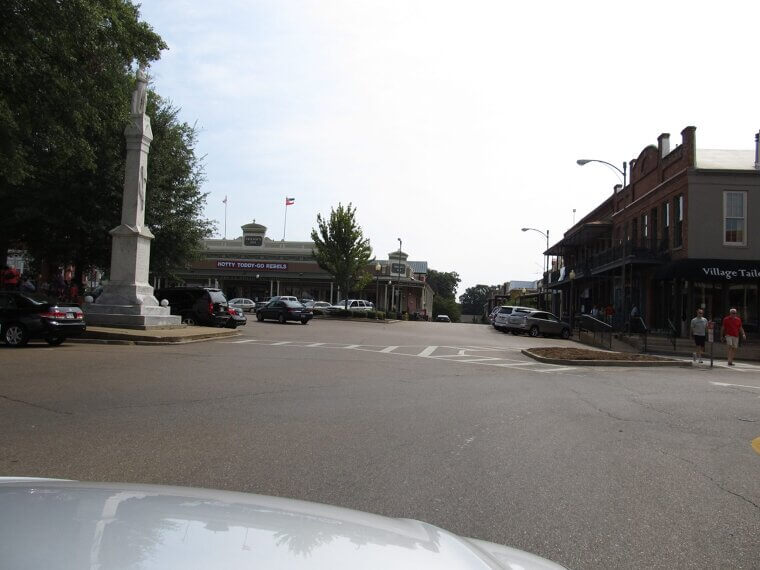
Oxford's combination of SEC football passion, literary culture, James Beard Award-recognized restaurants, and a walkable town square creates a retirement environment where intellectual and social life never have an off-season.
Staunton, Virginia's Blue Ridge Mountain Retreat
Staunton sits in the Shenandoah Valley between the Blue Ridge and Allegheny mountains, and the view in either direction on a clear morning is enough to make a retiree feel like they made the right call. The downtown — a National Historic Landmark — is one of Virginia's most beautifully preserved, with independent restaurants, galleries, and the American Shakespeare Center's Blackfriars Playhouse offering world-class theater in an authentic Elizabethan setting. Median home prices around $325,000 make the cultural richness here feel almost unfairly affordable.
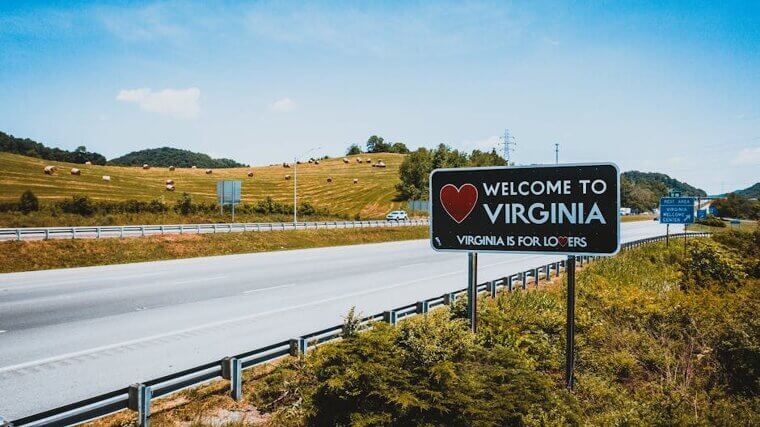
Staunton's Woodrow Wilson Presidential Library, thriving craft beverage scene, and position at the center of Virginia's Shenandoah Valley wine country give retirees a cultural and scenic depth that consistently surprises first-time visitors.
Marquette, Michigan's Great Lakes Lakeside Living
Marquette sits on a bluff above Lake Superior, and the lake — cold, vast, and impossibly blue — dominates every view and every conversation. This Upper Peninsula city is larger than most entries on this list, with around 20,000 residents and Northern Michigan University providing cultural infrastructure that smaller towns can't match. The winters are serious — lake-effect snow is a genuine lifestyle factor — but retirees who embrace the seasons find a community of outdoor enthusiasts, artists, and year-round residents who chose this place deliberately and love it fiercely.
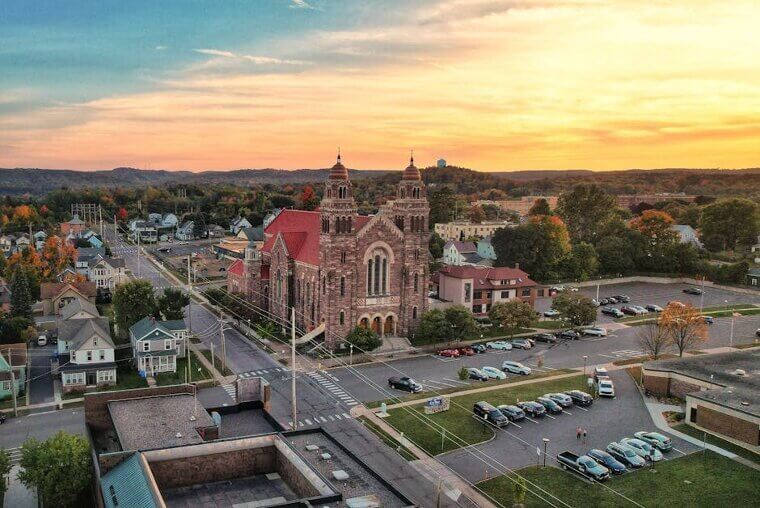
Marquette's Presque Isle Park, a wild peninsula jutting into Lake Superior just minutes from downtown, offers black bear sightings, dramatic sunsets over open water, and hiking trails that make retirement here feel like living inside a nature documentary.
Bellingham, Washington's Chuckanut Bay Retirement Gem
$575,000 median home price in Bellingham — and the waitlist for people wanting to move here keeps growing anyway. Sitting between Seattle and Vancouver, BC, with Chuckanut Bay to the south and Mount Baker gleaming to the east, Bellingham offers Pacific Northwest beauty at a scale that feels manageable. Western Washington University anchors a thriving arts and food scene. The Whatcom County trail network is exceptional. And the combination of ferry access to the San Juan Islands and proximity to two major cities gives retirees remarkable reach.
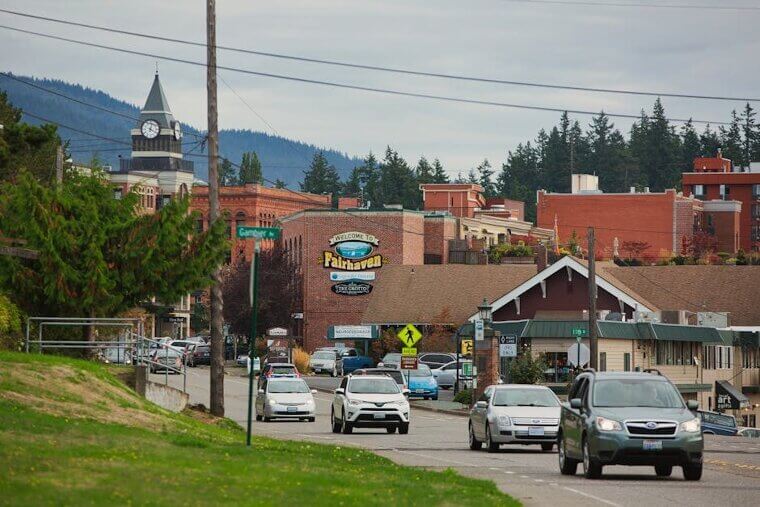
Bellingham's Fairhaven neighborhood — a Victorian-era village within the city — offers one of the Pacific Northwest's most charming walkable enclaves, with independent bookstores, wine bars, and bay views that make it a retirement neighborhood in its own right.
Prescott, Arizona's Mile-High Retirement Haven
A mile high, 300 days of sunshine, and four seasons that actually show up — Prescott has been called 'Everyone's Hometown' for decades, and the Courthouse Plaza that anchors downtown gives that slogan genuine visual evidence. Retirees from Phoenix and Tucson have been discovering Prescott for years, drawn by the cooler temperatures, the Victorian architecture of Whiskey Row, and Yavapai College's active lifelong learning program. Median home prices around $525,000 reflect a town that's been well and truly discovered without losing its essential character.

Prescott's Granite Dells — a dramatic landscape of ancient granite boulders surrounding Watson Lake — sits just minutes from downtown and offers hiking, kayaking, and photography opportunities that make Prescott's natural setting as compelling as its historic one.
Beaumont, Texas's Affordable Gulf Coast Lifestyle
Here's what nobody tells you about Beaumont: the cost of living is remarkable. Median home prices around $175,000 in a Gulf Coast Texas city with genuine cultural infrastructure — the Art Museum of Southeast Texas, a thriving Cajun food scene, and Lamar University — represents a retirement value that's increasingly rare anywhere near the Gulf. The summers are hot and humid, which is the honest trade-off. But retirees who grew up in the South or who simply want affordable coastal-adjacent living find Beaumont delivers far more than its modest reputation suggests.
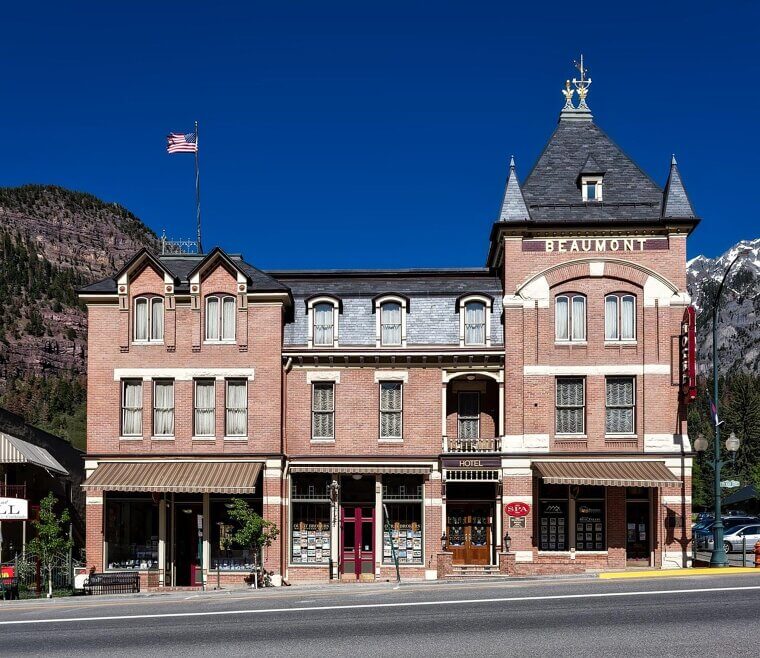
Beaumont's Spindletop-Gladys City Boomtown Museum commemorates the 1901 oil gusher that launched the American petroleum industry — a reminder that this understated Gulf Coast city sits at the center of one of history's most consequential industrial moments.
Galena, Illinois's Ulysses Grant Historic Retreat
Ulysses S. Grant moved to Galena in 1860, worked in his father's leather goods store, and left for the Civil War the following year. He came back a hero, and the town never quite got over the pride. That history — preserved in the Grant Home State Historic Site and the beautifully maintained Main Street — gives Galena a sense of narrative that most small towns spend decades trying to manufacture. The rolling hills of Jo Daviess County add genuine scenic beauty, and the antique shops and restaurants draw Chicago weekenders who keep the local economy healthy.
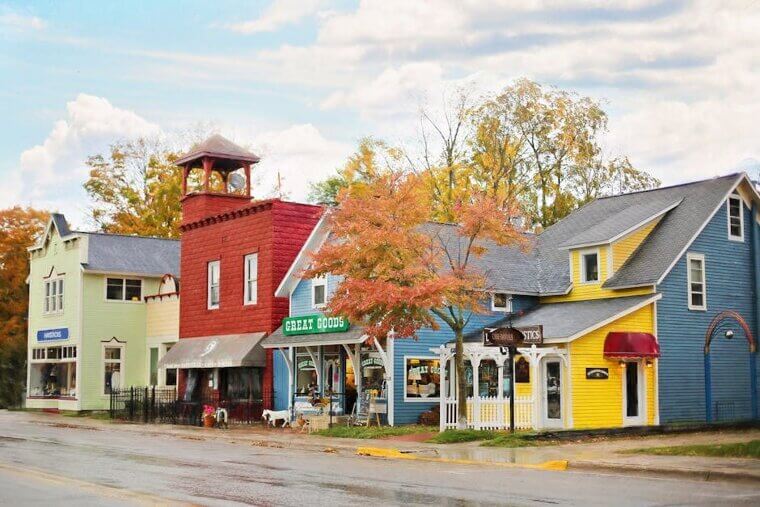
Galena's Main Street, with its 19th-century commercial architecture climbing the hillside above the Galena River, is one of Illinois's most photogenic streetscapes — and at median home prices around $225,000, it's one of the Midwest's most compelling retirement values.
Tahlequah, Oklahoma's Cherokee Heritage River Town
Tahlequah carries a weight of history that most American towns never have to reckon with — it was established as the capital of the Cherokee Nation after the Trail of Tears, and that heritage shapes everything from the architecture to the cultural calendar to the way the community understands itself. The Illinois River, one of Oklahoma's most beloved float trip destinations, runs nearby. Northeastern State University keeps the town intellectually active. And median home prices around $165,000 make Tahlequah one of the most affordable retirement destinations on this entire list — a genuine hidden gem in every sense.
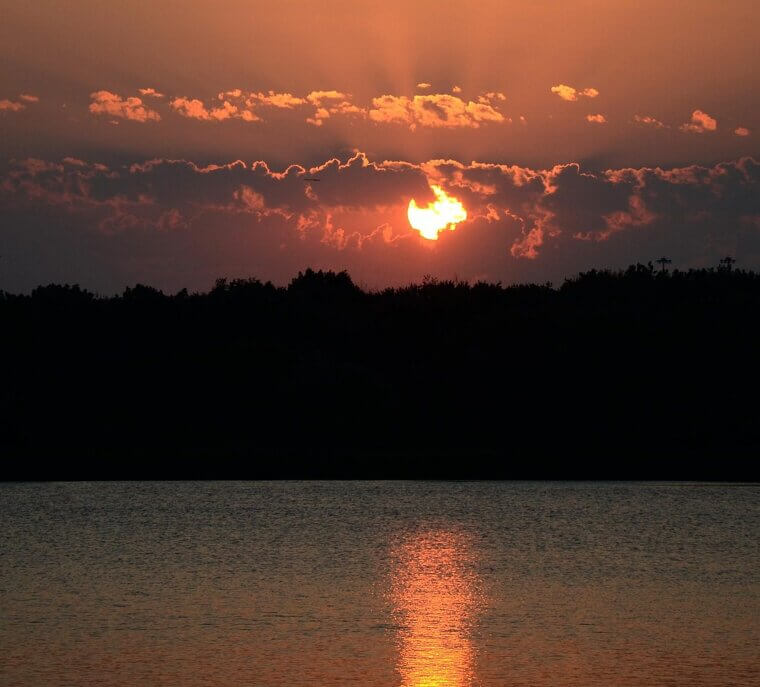
The Cherokee National Capitol building, the Cherokee National Supreme Court, and the Cherokee Heritage Center give Tahlequah a depth of living history that retirees who care about place and meaning find extraordinarily compelling and unlike anywhere else in America.