
Some of America's greatest cars never got the respect they deserved the first time around. Now, with collectors hunting them down and auction prices climbing fast, the forgotten ones are finally having their moment. The question is whether you spotted them before the prices did.
The Rise of the American Muscle Car
It didn't happen overnight. American muscle grew out of a postwar obsession with speed, chrome, and the open road — a culture where horsepower wasn't just a spec, it was a personality. Detroit engineers started stuffing bigger engines into lighter bodies, and by the late 1950s, something had shifted permanently. The cars that resulted weren't just transportation. They were statements, rivalries, and occasionally, weapons. That legacy is exactly why collectors keep chasing them.
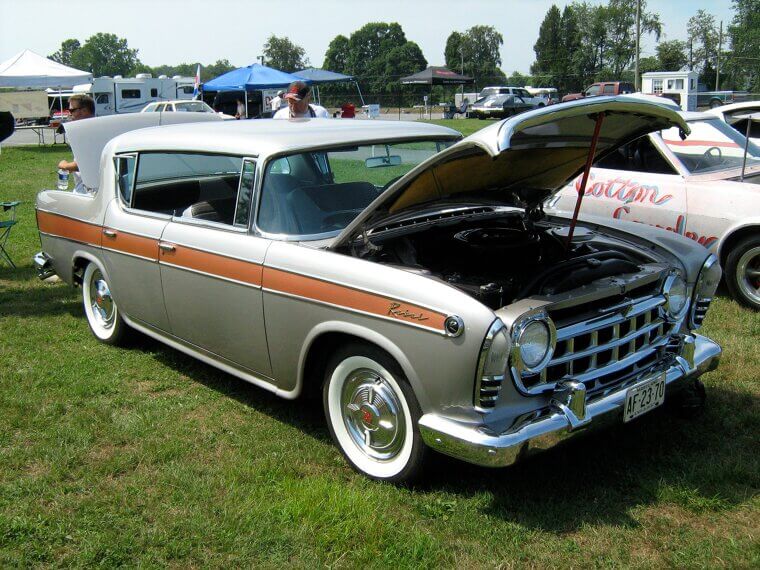
The muscle car era compressed decades of engineering ambition into about fifteen years. What came out of that window still defines how Americans think about performance cars today — and what they're willing to pay for them.
The Studebaker Avanti That Turned Heads
Picture this: 1962, and Studebaker — a company everyone had already written off — rolls out something that looks like it arrived from a decade in the future. The Avanti had a fiberglass body, a supercharged V8, and styling so bold that even Studebaker's own dealers weren't sure what to do with it. Production was slow, quality control was rocky, and the company folded anyway. But the design survived. Independent manufacturers kept building Avantis for decades after Studebaker died.
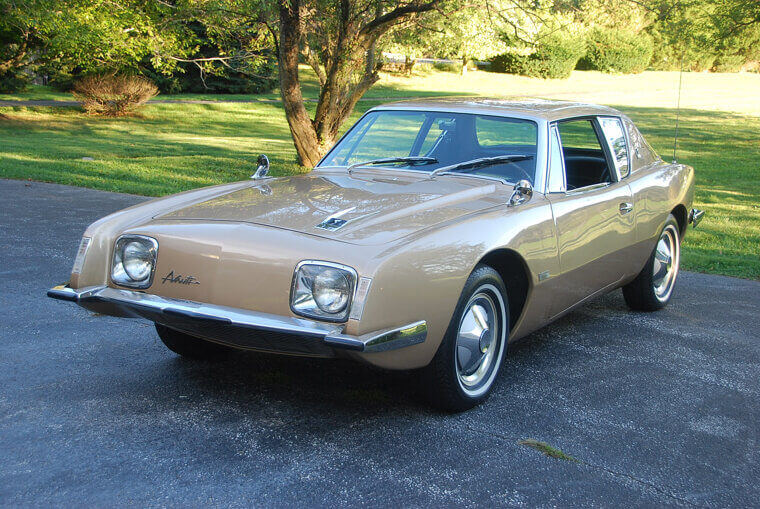
Clean examples from the original 1963–64 Studebaker run now regularly fetch $30,000 to $60,000 at auction. The supercharged R2 versions command even more from buyers who know what they're looking at.
The Tucker 48 and Its Troubled History
Only 51 Tucker 48s were ever built, and the story of why reads like a Hollywood script — because it literally became one. Preston Tucker's rear-engine, safety-first sedan threatened the Big Three so directly that, according to Tucker himself, they conspired with government officials to shut him down. Fraud charges followed. The company collapsed in 1948. Whether the conspiracy was real or not almost doesn't matter anymore, because the cars that survived are now among the most valuable American automobiles ever auctioned.
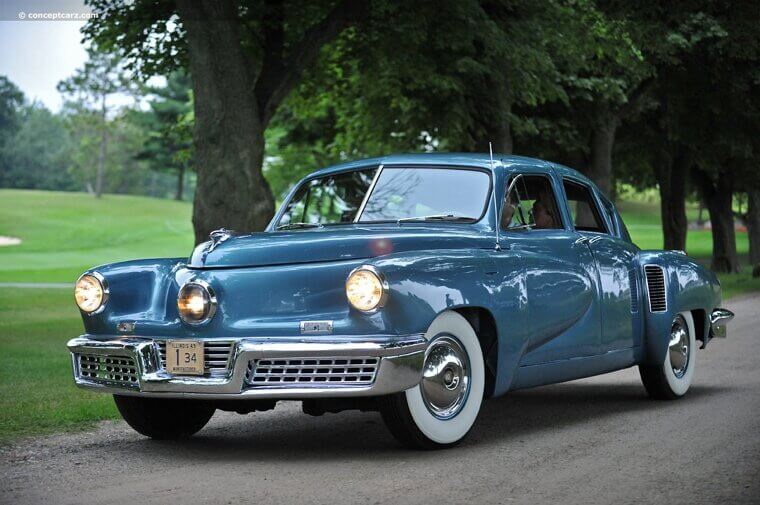
Of the 47 surviving Tucker 48s, most live in museums or private collections. When one does surface at auction, expect bids north of $1.5 million — sometimes considerably north of that.
The DeSoto Fireflite Nobody Talks About
The DeSoto Fireflite gets overlooked constantly, which is almost criminal given what it represented. Launched in 1955 as DeSoto's flagship, it came loaded with Virgil Exner's Forward Look styling — massive tailfins, two-tone paint, and a Hemi V8 that meant business. It was glamorous in a way that felt genuinely cinematic. DeSoto died in 1960 after just eight model years, which makes the Fireflite a compact piece of a short story. That rarity is exactly what collectors are now paying attention to.
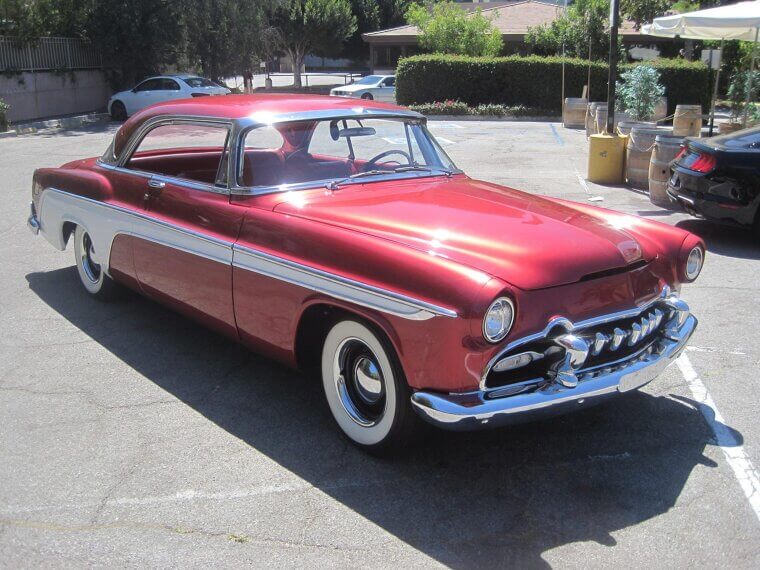
A fully restored 1956 Fireflite convertible can clear $80,000 easily. The fin-heavy 1957 and 1958 models attract the most attention, especially in original two-tone color combinations that look almost too good to be real.
The Edsel That Flopped but Now Fetches Thousands
Would you pay six figures for something the entire country laughed at? Ford's Edsel launched in 1957 surrounded by the most expensive marketing campaign in automotive history — and then promptly became the punchline of the decade. The vertical grille looked strange, the push-button transmission was unreliable, and the timing landed right into a recession. Ford killed it after just two model years. Today, that failure is the attraction. Surviving Edsels, especially convertibles, have quietly climbed into serious collector territory.
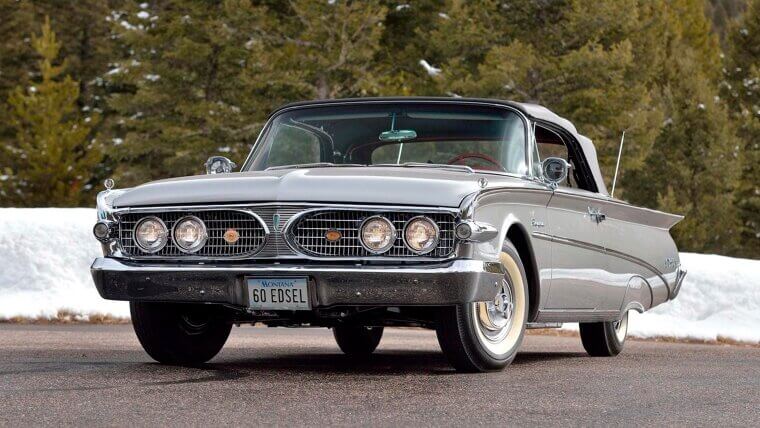
A 1958 Edsel Pacer convertible in good condition can fetch $40,000 to $70,000. The Citation convertible, rarest of the bunch, has crossed $100,000 at auction — which is a remarkable ending for America's most famous flop.
The Packard Caribbean and Its Elegant Lines
Packard built the Caribbean as a last, desperate swing at relevance — and they connected. The 1953–1956 Caribbean was genuinely stunning: a hand-crafted convertible with a custom body, wire wheels, and interior materials that rivaled anything from Europe. It was priced accordingly, selling for around $6,000 new at a time when a Cadillac Eldorado cost less. Packard's collapse in 1958 turned every Caribbean into a limited-edition artifact. They were rare when new. Now they're extraordinary.
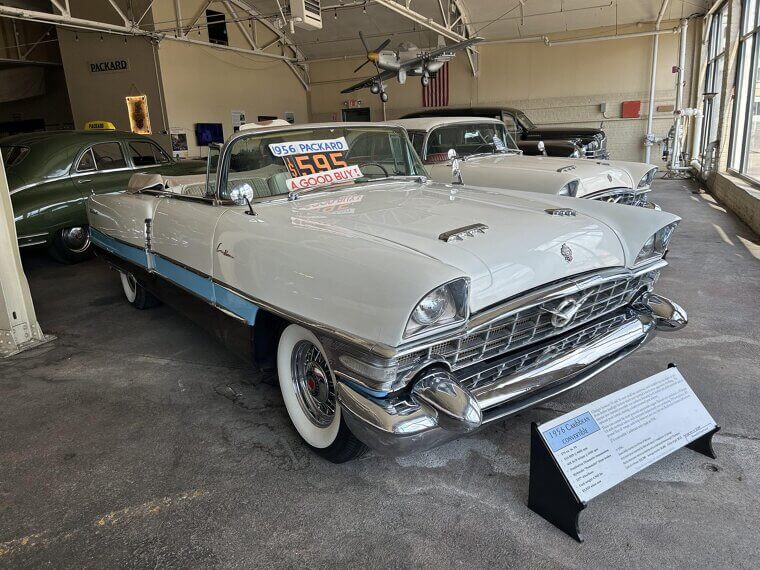
The 1956 Caribbean, Packard's final true flagship, is the most coveted version. Fully restored examples with correct two-tone paint and matching numbers engines regularly sell between $120,000 and $180,000 to collectors who understand what they represent.
The Hudson Hornet That Dominated the Track
Test drivers came back genuinely impressed. The Hudson Hornet arrived in 1951 with a low-slung "step-down" body design and a 308 cubic-inch inline-six that punched far above its displacement. On NASCAR ovals, it dominated — winning 49 races between 1951 and 1954. Drivers like Herb Thomas and Marshall Teague turned the Hornet into a legend while Hudson was still a functioning company. Then the merger with Nash killed the brand, and the Hornet became history. Pixar later made it famous again.
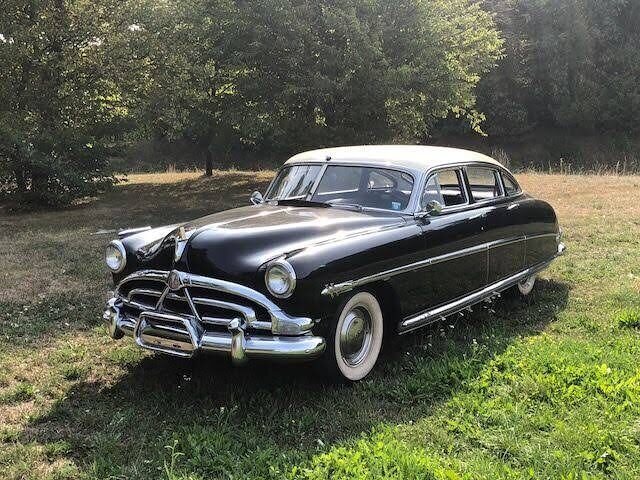
Pre-merger Hornets in Twin-H Power trim — the dual-carburetor setup that made them so fast — are the ones collectors specifically hunt. Expect to spend $35,000 to $65,000 for a clean, documented example with the right engine configuration.
The Nash Metropolitan and Its Quirky Charm
The Nash Metropolitan is objectively tiny, borderline absurd, and one of the most charming American cars ever made. Built in England to Nash's specifications starting in 1954, it measured just 149 inches long and came with a four-cylinder engine making 42 horsepower. It was designed for urban commuting before anyone called it that. Critics dismissed it. Buyers loved it. Over 94,000 were sold before production ended in 1962, and today they show up at car shows surrounded by admirers who can't stop smiling.
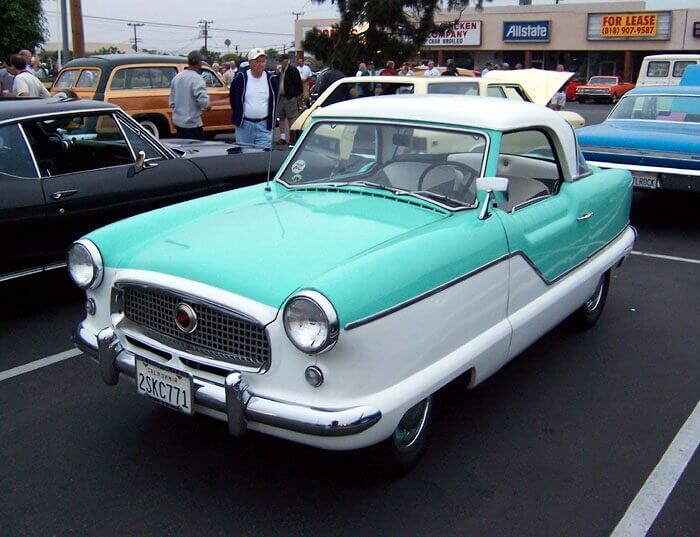
Metropolitans are still among the more affordable American collectibles, which is part of their appeal. Solid drivers sell for $8,000 to $18,000, while a concours-quality restored example in a desirable two-tone can push toward $30,000.
The Buick Riviera That Defined Cool Style
Bill Mitchell's 1963 Buick Riviera didn't just look good — it reset the standard for what an American personal luxury car could be. Clean, razor-edged, and completely free of the chrome excess that defined the era, it felt European in its restraint. Buick sold it as a direct answer to the Ford Thunderbird, but the Riviera was sharper in every way. The first-generation cars from 1963 to 1965 remain the most beloved, with the '63 in particular treated as a design benchmark that still holds up.
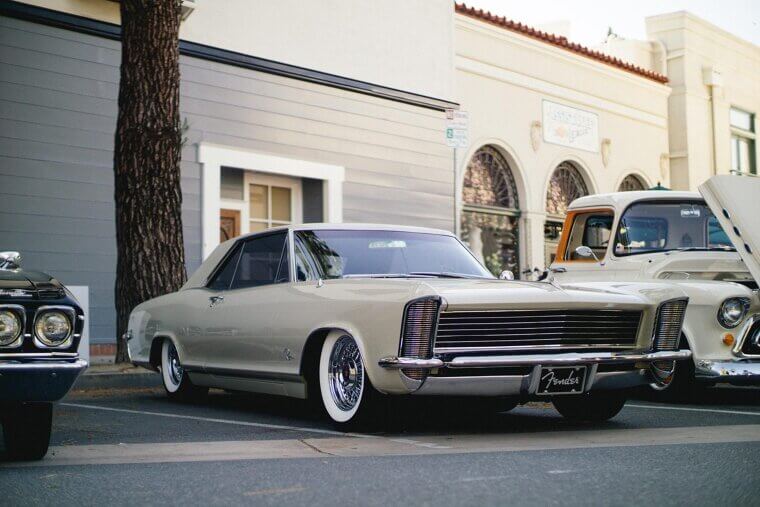
First-generation Rivieras with the 425 cubic-inch Wildcat V8 are the collector targets. Clean, unrestored survivors in original paint regularly bring $35,000 to $55,000, with fully restored show cars climbing well past $70,000 at the right auction.
The Oldsmobile Toronado and Front-Wheel Drive
Front-wheel drive in a full-size American car in 1966 — that wasn't supposed to exist yet. The Oldsmobile Toronado proved it could, packaging a 385-horsepower Rocket V8 with a front-drive setup that the engineers had essentially invented from scratch. It handled better than anyone expected and looked unlike anything else on American roads. The Toronado won Motor Trend's Car of the Year and then got quietly forgotten as buyers drifted toward more conventional choices. That oversight has since been corrected by collectors.
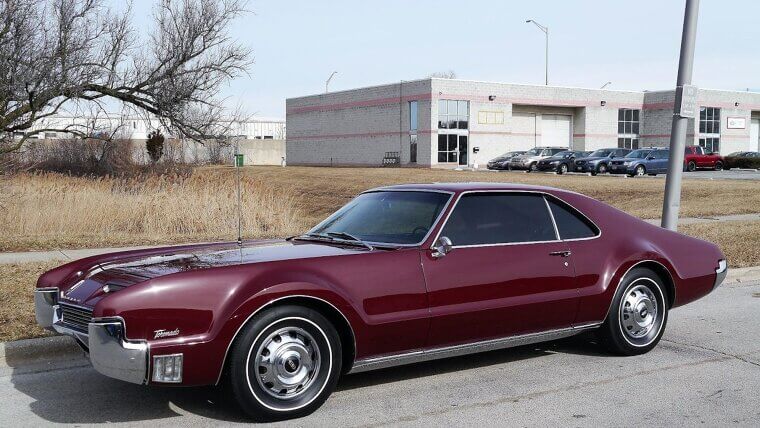
The 1966 and 1967 Toronados are the most sought-after, particularly in original W-34 or Toronado GT trim. Values have climbed steadily, with excellent examples now trading in the $25,000 to $45,000 range — higher for documented low-mileage survivors.
The Pontiac GTO That Started It All
Here's the argument: the Pontiac GTO didn't just start the muscle car era — it invented the formula that everyone else copied. In 1964, John DeLorean's team dropped a 389 cubic-inch V8 into the mid-size Tempest, slapped on a performance package, and called it the GTO. GM's management had said no. They did it anyway as an option package, which technically sidestepped the corporate rules. It sold 32,000 units that first year. By 1966, it was a cultural phenomenon selling nearly 100,000 annually.
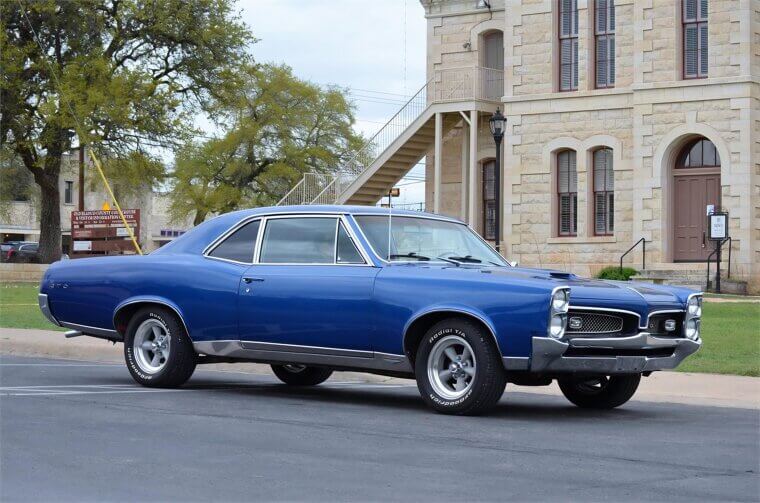
The 1964 GTO, the original, is the holy grail. A numbers-matching Tri-Power convertible — three two-barrel carbs, four-speed manual — can bring $120,000 or more. Even solid drivers without full documentation regularly trade above $50,000.
The Chrysler 300 Letter Series Worth Collecting
The Chrysler 300 Letter Series is one of the most underappreciated performance stories in American automotive history. Starting with the 300C in 1955, each year brought a new letter and a new benchmark — these were the fastest American production cars of their era, regularly clocking 130-plus mph when that was genuinely shocking. The "Beautiful Brutes" combined luxury appointments with race-bred engineering in a way Detroit rarely managed before or since. Only a few hundred of some models were ever built.
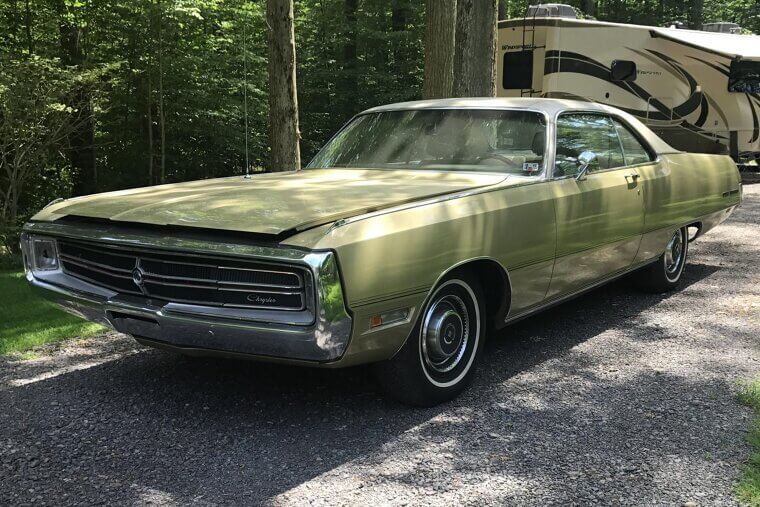
The rarest letter-series cars — the 300F, 300G, and 300H — are the ones that make collectors go quiet. A 300F convertible with the optional French-built Pont-à-Mousson four-speed has sold above $300,000. Even the more common models rarely surface below $80,000.
The AMC Javelin Forgotten but Now Beloved
AMC had no business building a car this good, and that's exactly why the Javelin gets overlooked. Launched in 1968 as AMC's answer to the Mustang and Camaro, the Javelin was genuinely competitive — well-proportioned, available with serious engine options, and actually successful in Trans-Am racing with drivers like Mark Donohue behind the wheel. The problem was the badge. AMC carried a budget-car stigma that the Javelin could never fully shake. Collectors have since made peace with the brand and discovered what the car actually was.
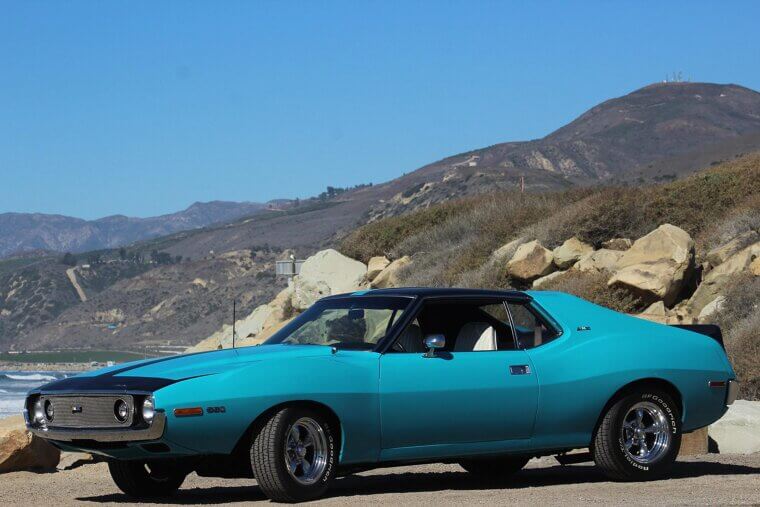
The AMX version — a shorter two-seat Javelin variant — is the most valuable, but even standard Javelins with the 390 cubic-inch V8 are climbing. Expect $25,000 to $45,000 for a solid 390 car, with AMX prices pushing significantly higher.
The Mercury Cougar That Rivaled the Mustang
Ford gave the Mercury Cougar every advantage and then slowly dismantled it. The 1967 original was a stretched, slightly more refined Mustang — longer wheelbase, better interior, more mature styling — and it sold brilliantly. Motor Trend named it Car of the Year. But Ford kept adding weight and softening the character through successive generations, turning a genuine performance car into a personal luxury machine and eventually just another forgettable coupe. The early cars, before the bloat set in, are what collectors are rediscovering now.
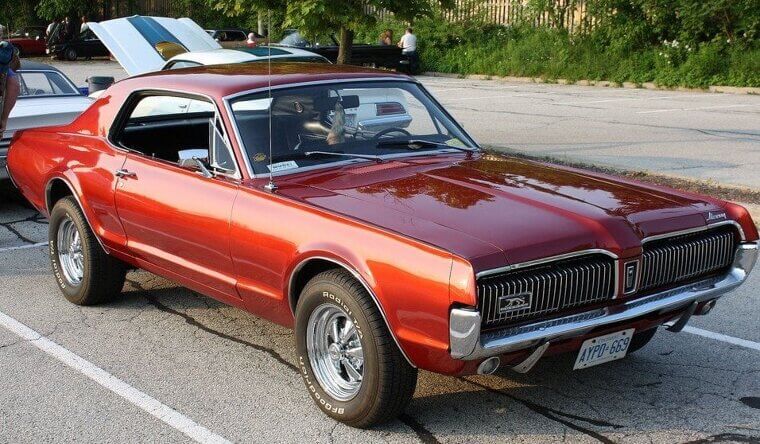
First-generation Cougars from 1967 to 1968 in GT or GTE trim are the collector sweet spot. A clean 427-powered GTE can bring $55,000 to $75,000. The 1967 convertible prototype that Ford built but never produced would be priceless — if it still existed.
The Dodge Charger Daytona With the Famous Wing
$500,000. For a wing. Well, for the car under it too — but the wing is why. The Dodge Charger Daytona arrived in 1969 with a nose cone and a rear spoiler so tall you could stand under it, designed specifically to cheat the air at Talladega and Daytona. It worked: Richard Brickhouse won the Daytona 500 in one, and Buddy Baker became the first driver to officially exceed 200 mph on a closed course. Only 503 were built for street sale. Every single one matters.
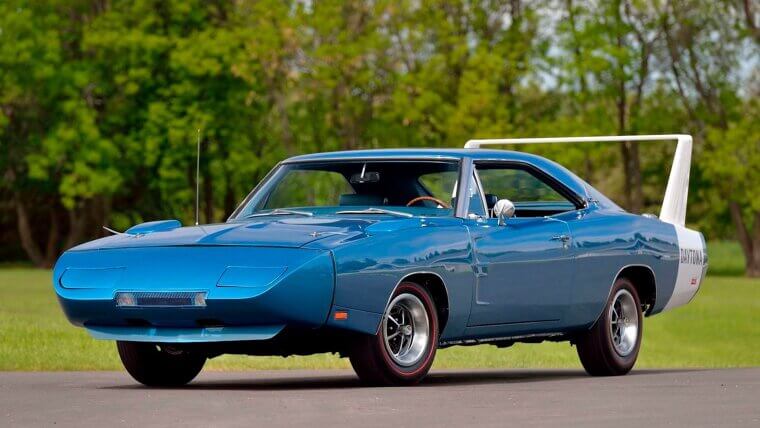
Hemi-powered Daytonas are the crown jewels of Mopar collecting. A documented 426 Hemi car in desirable color sold for $900,000 at Barrett-Jackson. Even 440-powered examples routinely clear $400,000 — numbers that would have seemed impossible twenty years ago.
The Plymouth Barracuda Before the Muscle Era
Before the Barracuda became a muscle icon, it was something stranger and more interesting — a compact fastback with a massive rear window that wrapped dramatically over the roofline. The 1964 original shared its platform with the Valiant and came with modest engines, but the styling was genuinely daring. Plymouth actually beat the Mustang to market by two weeks with this car, a fact that history has almost entirely forgotten. The early Barracudas occupy a weird, wonderful space between economy car and style statement.
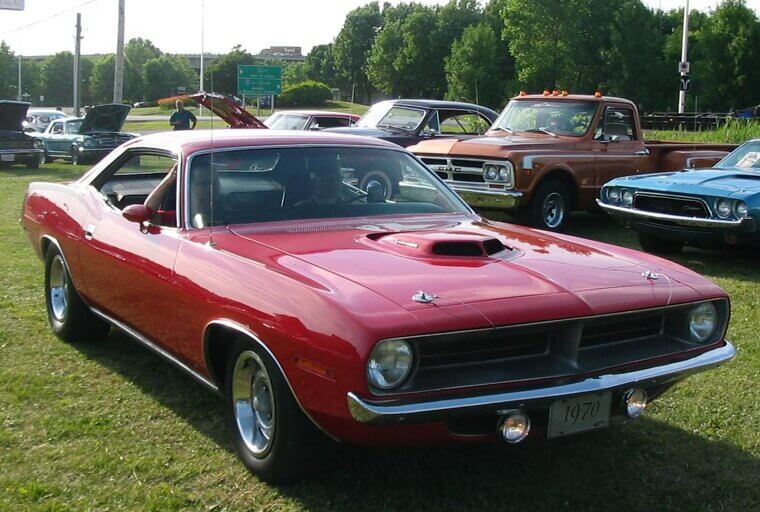
The 1964–1966 fastback Barracudas are the ones early-adopter collectors favor, precisely because most people don't know them. Formula S models with the 273 V8 are the targets — clean examples sell for $20,000 to $35,000, with perfect restorations pushing higher.
The Studebaker Golden Hawk and Its Legacy
Studebaker's Golden Hawk had one job: prove the company could still build a real performance car while the accountants were turning off the lights. The 1956–1958 models used a supercharged 289 V8 delivering 275 horsepower — numbers that embarrassed competitors with twice the budget. The styling was a strange mix of genuine flair and Studebaker's characteristic awkwardness, like a fighter wearing a tuxedo that doesn't quite fit. It was fast, it was distinctive, and it arrived at exactly the wrong moment for a company that was already out of time.
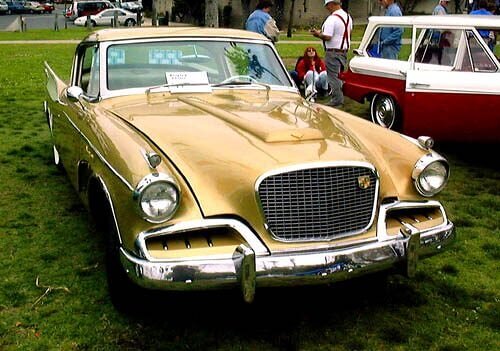
What separates the Golden Hawk from the Avanti is scarcity with a paper trail. The McCulloch supercharger was a complex, temperamental piece of engineering — most survivors have had it replaced or removed. A numbers-matching car with the original blower intact and documented is genuinely rare. Those examples trade between $45,000 and $75,000, with concours restorations pushing higher. The ones without documentation are considerably cheaper, which tells you exactly how much the paperwork matters.
The Lincoln Continental Mark II and Pure Luxury
This might be the most underrated luxury car America ever produced. The Lincoln Continental Mark II wasn't a restyled Ford — it was a hand-built, individually inspected automobile that Ford sold at a deliberate loss because the prestige was worth more than the profit. Launched in 1956 at $9,966 (roughly $110,000 today), each car was road-tested for miles before delivery and came with a fitted luggage set matched to the interior. Only 2,550 were built across two model years. Every detail was intentional.
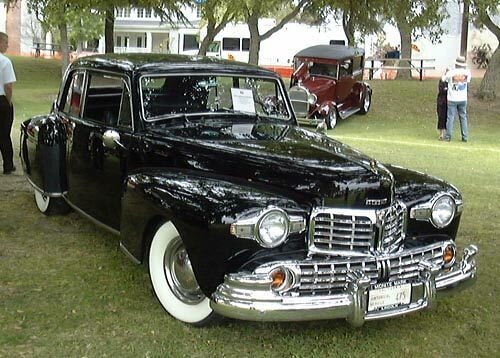
The Mark II occupies rarefied air in Lincoln collecting. Pristine examples with documented ownership histories and original paint regularly bring $80,000 to $130,000. The handful of factory special-order cars — built for celebrities or executives — have sold considerably higher.
The Willys Jeepster That Collectors Now Crave
Willys built the Jeepster between 1948 and 1951 as a civilian fun car — open, stylish, and completely impractical in the best possible way. It wasn't a true off-roader (early models were rear-wheel drive only), and it wasn't a proper sports car, and it wasn't really a convertible in the traditional sense. It existed in its own cheerful category, and buyers responded warmly if not overwhelmingly. Production ended after about 19,000 units. What Willys couldn't sell in 1951, collectors are now competing to own.
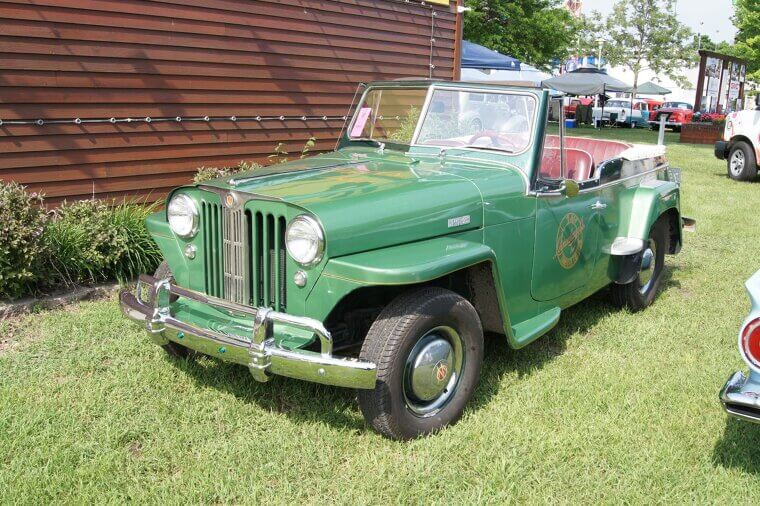
Jeepsters with the optional four-wheel drive conversion and the Hurricane four-cylinder engine are the most desirable. Fully restored examples in correct colors with proper canvas tops sell for $25,000 to $45,000 — a number that keeps climbing as supply tightens.
The Cord 810 With Its Coffin-Nose Design
You've probably seen the Cord 810 in a museum and stopped walking. The coffin-nose front end, the disappearing headlights hidden in the pontoon fenders, the absence of a traditional grille — Gordon Buehrig's 1936 design looked like science fiction rendered in steel. The front-wheel-drive drivetrain was equally advanced, though it came with reliability problems that plagued early cars. Cord fixed most of them in the 812 that followed, but the company collapsed in 1937 anyway. What survived became instant legend.
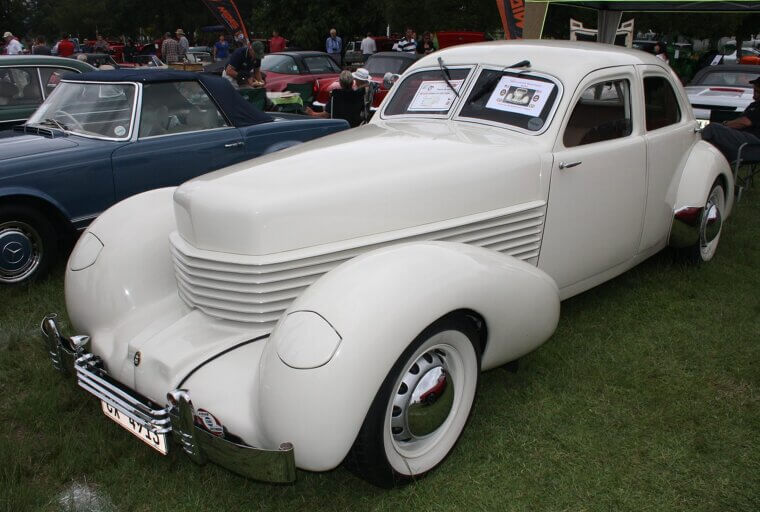
The supercharged Cord 812 — distinguished by its external exhaust pipes — is the ultimate version. Concours examples have crossed $500,000 at auction. Even honest, driving-condition 810s rarely surface below $150,000, placing them firmly in blue-chip American collector territory.
The AMC Gremlin That Became a Cult Classic
The AMC Gremlin was born from a napkin sketch on an airplane and launched on April Fool's Day 1970, which tells you something about how seriously AMC took its own joke. The shortest wheelbase of any American car at the time, a truncated rear end that looked like someone forgot to finish it, and a name that literally meant a mischievous creature that breaks things. And yet — it sold. Over 671,000 Gremlins found buyers, and the ones that survived have become the mascots of a devoted cult following.
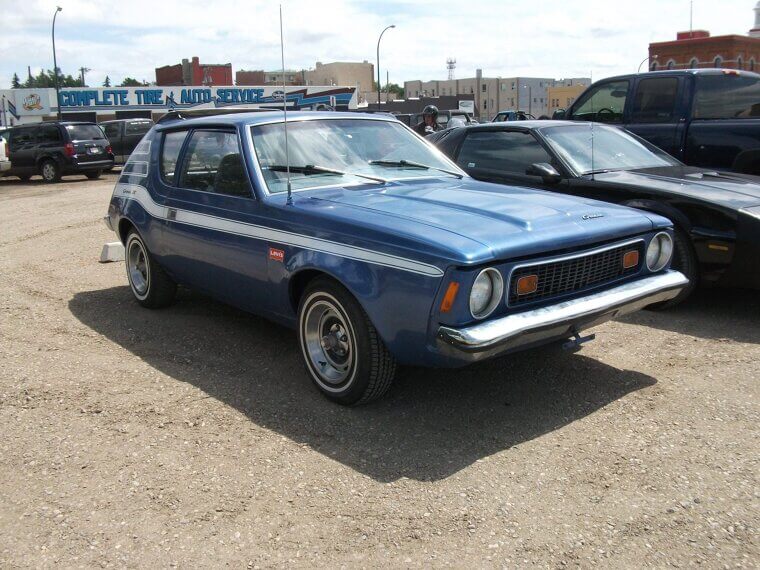
The Gremlin X with the 304 V8 is the version collectors actually want — it's the one that could embarrass Pintos and Vegas in a straight line. Clean X models in original paint are now bringing $15,000 to $28,000, which would have seemed insane in 1985.
The Pontiac Firebird Trans Am in Its Prime
The Pontiac Firebird Trans Am hit its cultural peak in 1977 when Burt Reynolds drove one across the South in Smokey and the Bandit, and the waiting lists at Pontiac dealerships immediately got longer. But the Trans Am's real story is about engineering evolution — from the original 1969 model with its Ram Air engines to the 1973–1974 Super Duty 455, which somehow survived the emissions era with genuine performance intact. The SD-455 is one of the great sleeper muscle cars, underestimated and increasingly expensive.
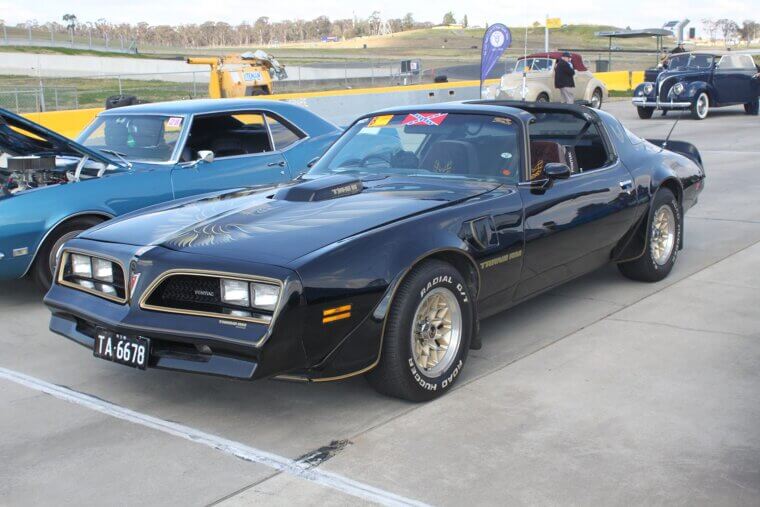
The 1973–1974 Super Duty 455 Trans Am is the collector obsession — only 1,247 were built across both years. Documented SD-455 cars in desirable colors like Brewster Green or Buccaneer Red now regularly bring $120,000 to $200,000 at major auctions.
The Dodge Super Bee and Its Cartoon Logo
Dodge needed a cheaper muscle car in 1968, so they stripped the Charger down to essentials, added a cartoon bumblebee logo, and called it the Super Bee. The name came from a marketing team that understood exactly what they were doing — this was working-class muscle, no frills, maximum embarrassment at the stoplight. The standard engine was the 383 Magnum, but the one everyone wanted was the 426 Hemi option. Dodge charged extra for it. Buyers paid without hesitation. The Hemi Super Bees that survived are now worth multiples of their original price.
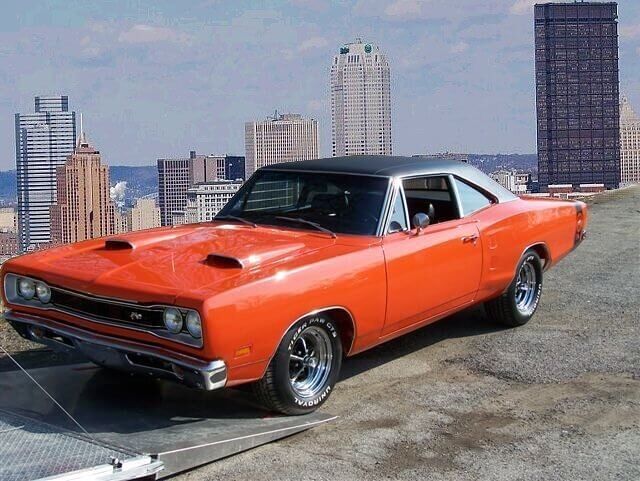
A Hemi Super Bee coupe with the four-speed manual is the configuration that stops auctions. Verified Hemi cars have sold between $150,000 and $250,000 depending on condition and documentation. Even 440 Six Pack cars regularly clear $60,000 — the bee sting has gotten expensive.
The Buick GSX That Collectors Fight Over
Buick built the GSX in 1970 as a direct challenge to the GTO and the Chevelle SS, and they didn't hold back. Stage 1 cars came with a 455 cubic-inch V8 producing 360 horsepower — officially. The actual output was considerably higher, but manufacturers were underrating engines to satisfy insurance companies. The GSX was available only in Apollo White or Saturn Yellow, came with a hood-mounted tachometer, and could run the quarter mile in the low 13s. Buick built only 678 of them in 1970. Collectors fight over every one.
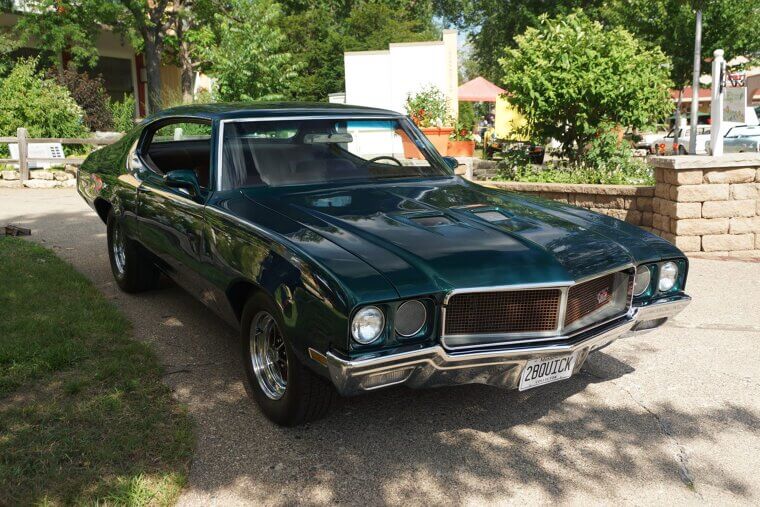
Stage 1 GSX values have gone vertical. A numbers-matching Saturn Yellow car with the four-speed and documented build sheet sold for over $300,000 at Barrett-Jackson. Even Stage 1 cars without the GSX package regularly bring $100,000 or more from serious Buick collectors.
The Chevrolet Corvair Scorned and Now Celebrated
Ralph Nader called it unsafe at any speed, Congress held hearings, and GM spent money investigating Nader personally — all because of a compact car with a rear-mounted air-cooled engine. The Corvair was genuinely unconventional, and the early swing-axle suspension did require careful handling. But the later 1965–1969 models with the revised independent rear suspension were legitimately good cars. The Corsa turbocharged convertible was a sports car by any reasonable measure. History buried them. Collectors are digging them back up.
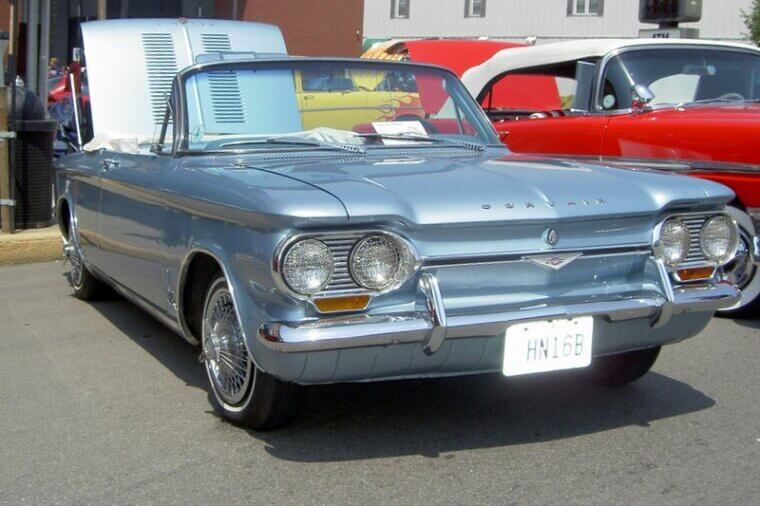
The 1965–1969 Corvair Corsa and Monza convertibles are the collector targets, particularly turbocharged Corsa models. A clean turbo Corsa convertible now brings $25,000 to $45,000 — vindication that took about fifty years but arrived with interest.
The Plymouth Road Runner and Its Famous Beep
Plymouth's marketing team had one of the great ideas of 1968: build a budget muscle car, name it after a cartoon bird, put an actual Looney Tunes Road Runner horn in it, and sell it for under $3,000. The strategy was almost too simple. Buyers loved the honesty of it — here was a car that admitted it existed purely to go fast, stripped of pretension and priced for people who actually worked for a living. Plymouth sold over 44,000 Road Runners in the first year alone, which surprised everyone including Plymouth.
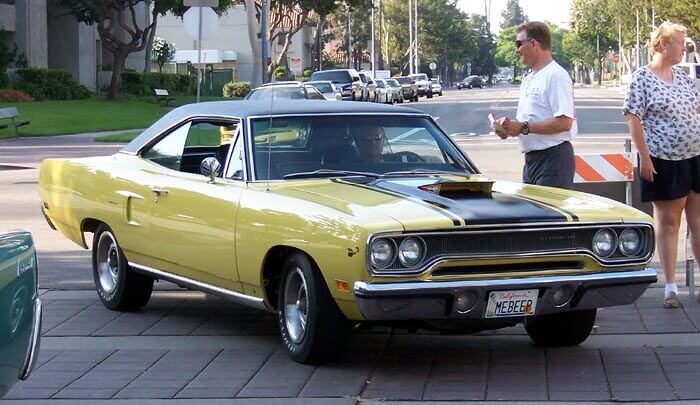
The 426 Hemi Road Runner is the prize — Plymouth built just 1,011 of them in 1968. Documented Hemi cars have crossed $200,000 at auction. The 440 Six Pack version is more attainable but still commands $60,000 to $100,000 from buyers who know the difference.
The Shelby Cobra That Became an Auction Legend
Carroll Shelby took an AC Ace body, dropped a Ford V8 inside it, and created something that didn't follow any of the normal rules. The Shelby Cobra was light, violent, and genuinely dangerous in a way that modern safety regulations would never permit. The 427 cubic-inch version — the big-block Cobra — produced somewhere between 425 and 485 horsepower in a car weighing around 2,350 pounds. Road testers described the experience in terms that suggested they weren't entirely sure they'd survive it. Most did.
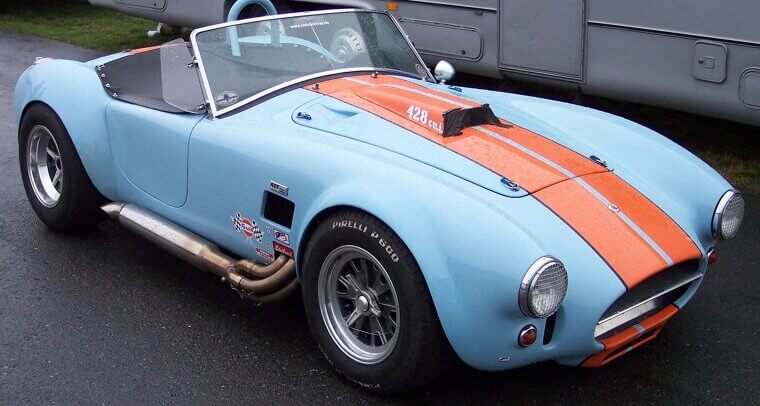
Original 427 Cobras are among the most valuable American cars ever auctioned. CSX2000, the very first Cobra, sold for $13.75 million in 2016. Even legitimate small-block 289 cars routinely bring $1 million or more — numbers that make the Cobra the undisputed king of American collector cars.
The Oldsmobile 442 and Its Winning Formula
The Oldsmobile 442 name stood for four-barrel carburetor, four-speed transmission, and dual exhausts — a formula that Oldsmobile refined across nearly a decade into one of the most balanced muscle cars Detroit produced. Unlike some competitors that sacrificed everything for straight-line speed, the 442 handled respectably and rode comfortably enough for daily use. The W-30 performance package, with its ram-air induction and specially selected engine components, turned the 442 into something that could embarrass cars costing significantly more.
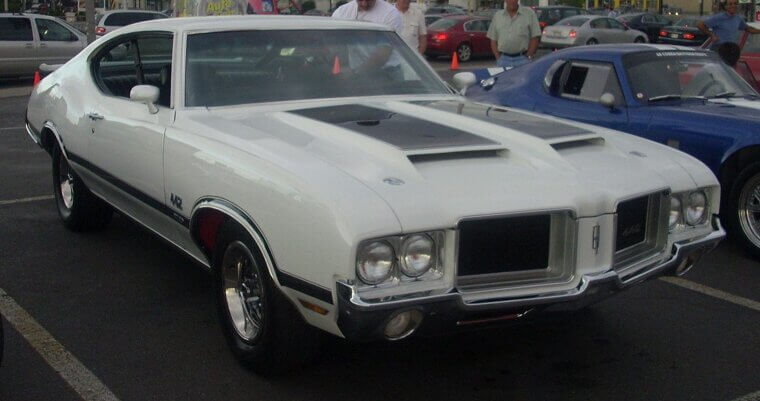
The 1969–1970 W-30 442 convertible is the configuration that drives auction prices highest. A numbers-matching W-30 convertible in Sebring Yellow has sold above $150,000. Coupe W-30 cars are more common but still bring $60,000 to $100,000 from Oldsmobile loyalists.
The Mercury Park Lane Nobody Remembers Today
Here's a car that almost nobody remembers, which is exactly the point. The Mercury Park Lane occupied the top of the Mercury lineup from 1954 through 1971, serving as the full-size flagship that competed with Chrysler's 300 and Buick's Electra. It was well-appointed, genuinely large, and completely overshadowed by everything around it. Mercury's identity crisis — always positioned between Ford and Lincoln without a clear purpose — doomed the Park Lane to historical obscurity. That obscurity is now its selling point for collectors who prefer flying under the radar.
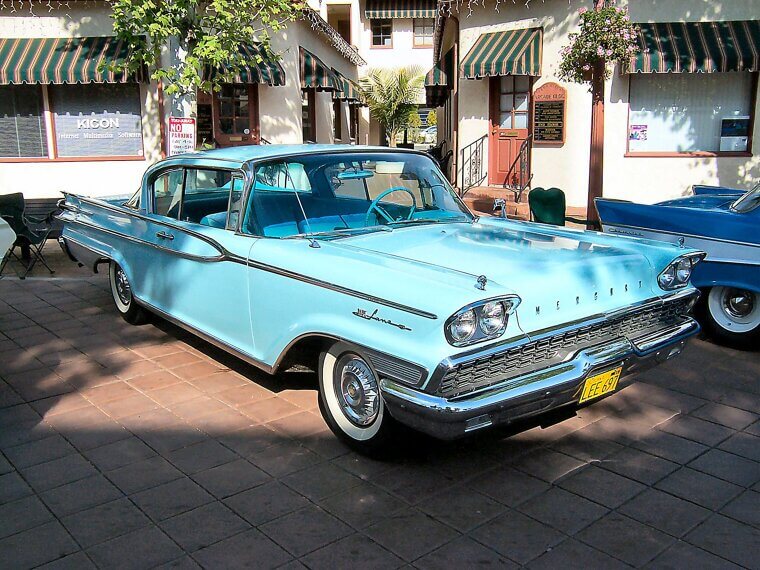
The 1969–1971 Park Lane with the 429 cubic-inch Cobra Jet engine is the sleeper pick. These cars are undervalued relative to their performance and rarity. Clean examples can be found for $20,000 to $35,000 — prices that won't last much longer as awareness grows.
The Frazer Manhattan and the Kaiser Connection
The Frazer Manhattan existed for exactly four model years — 1947 through 1951 — as the premium offering from Kaiser-Frazer, the most ambitious postwar automotive startup America ever produced. Henry Kaiser had built Liberty ships. Joseph Frazer ran Willys-Overland. Together they thought they could crack the Big Three's stranglehold on the American car market. They came remarkably close. The Manhattan was a handsome, well-built car that simply ran out of time and capital before it could find its footing in a market that didn't leave room for newcomers.
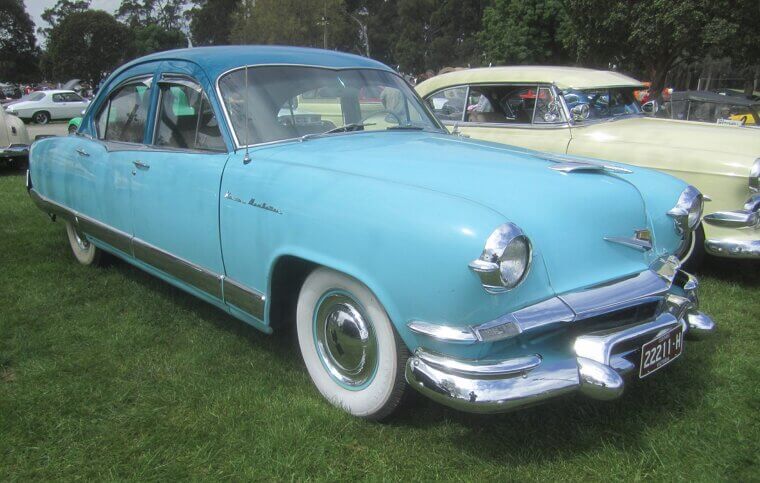
The 1951 Frazer Manhattan convertible is the rarest and most collectible variant — only 131 were built. These cars surface rarely and sell quickly when they do, typically in the $35,000 to $60,000 range. The Kaiser-Frazer story alone makes ownership feel like holding a piece of lost history.
The Dodge Viper Before It Was a Household Name
The Dodge Viper started as a concept car at the 1989 Detroit Auto Show and caused such an immediate, visceral reaction that Chrysler fast-tracked it into production. Bob Lutz, Carroll Shelby, and Tom Gale pushed it through a company that was barely surviving financially, betting that an 8.0-liter V10 making 400 horsepower in an aluminum-bodied roadster with no windows, no door handles, and no traction control was exactly what the market needed. They were right. The 1992 and 1993 RT/10s that launched the nameplate are now first-generation classics.
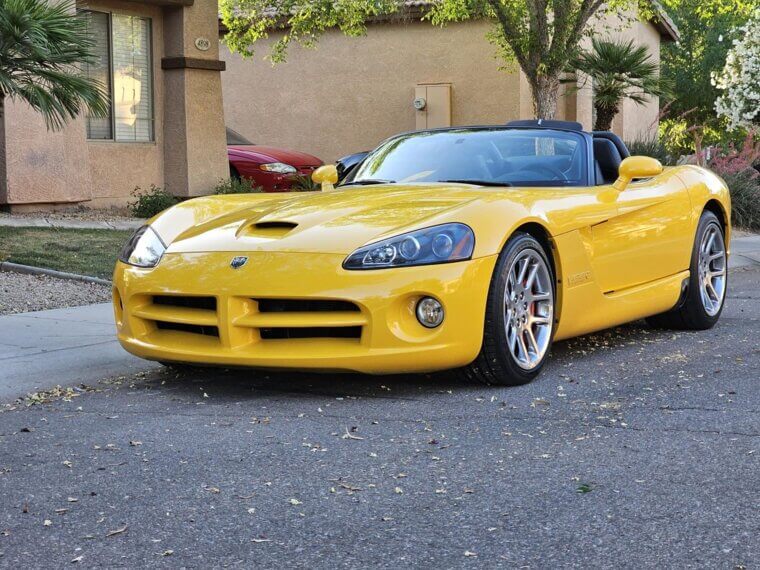
Early production 1992 Vipers — the first 200 or so built — are the ones collectors specifically document and track. Low-mileage first-year cars have sold between $80,000 and $120,000. The combination of rarity, historical significance, and raw mechanical honesty makes them genuinely special.
The Pontiac Bonneville That Ruled the Highway
The Pontiac Bonneville carried Pontiac's performance reputation through the late 1950s and into the 1960s with a combination of genuine speed and genuine size. The 1958 original — a fuel-injected convertible with a 370 cubic-inch V8 — was one of the fastest American production cars of its year. Only 630 were built. Pontiac used the Bonneville name for decades afterward, but the early cars, before the platform grew and the performance softened, represent Pontiac at its most confident and its most collectible.
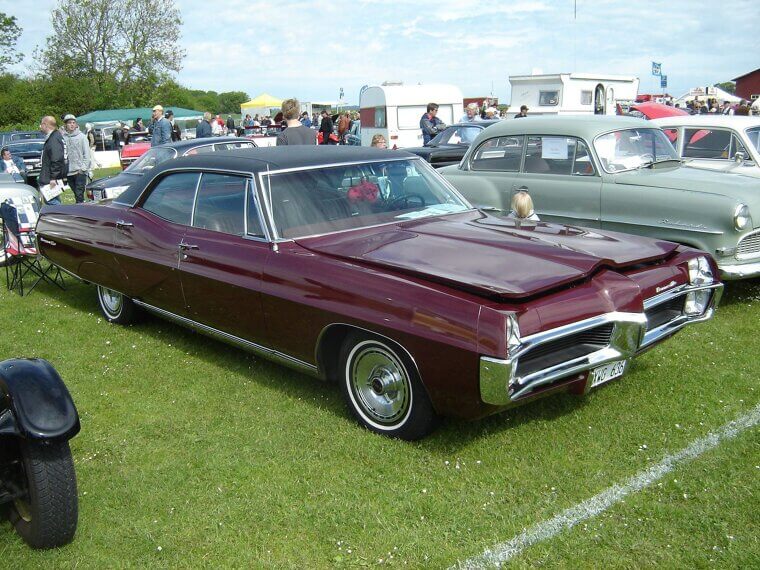
Only 630 1958 Bonnevilles were built with fuel injection, and far fewer survive with correct, documented drivetrains — making this one of the rarest Pontiacs that most collectors have never seen in person. Verified fuel-injected cars have brought $150,000 to $250,000 at auction. Even the 1959 and 1960 Bonnevilles with big-block power are climbing past $60,000, which means the window on affordable early Bonneville ownership is closing faster than most people realize.
The AMC Eagle That Pioneered the AWD Concept
AMC accidentally invented the modern crossover in 1980, and nobody noticed for twenty years. The Eagle combined a car-based body with full-time all-wheel drive at a time when four-wheel drive meant a truck, mud, and a transfer case lever on the floor. AMC's system was seamless, automatic, and designed for people who wanted capability without the truck experience. It was ahead of the market by at least a decade. AMC collapsed in 1987, Chrysler absorbed the remains, and the Eagle quietly disappeared — leaving behind a vehicle that pioneered everything that now dominates American roads.
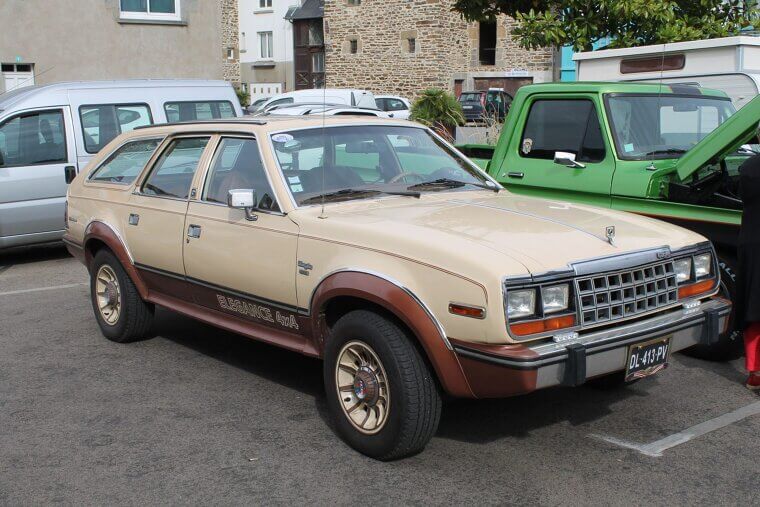
The Eagle hasn't fully arrived in collector circles yet, which makes now the time to look. Solid examples with low mileage and documented service histories sell for $8,000 to $18,000 — prices that feel temporary given the car's historical significance and the current crossover obsession.
The Buick Electra 225 Known as the Deuce and a Quarter
The nickname said everything: Deuce and a Quarter, for the 225-inch overall length that made the Buick Electra 225 one of the longest cars on American roads. From its 1959 introduction through the early 1970s, the Electra represented Buick's answer to Cadillac — almost as prestigious, almost as large, and priced just enough below to feel like a smart choice. The 1970 Electra 225 with the 455 cubic-inch V8 produced 370 horsepower in a car that weighed over 4,400 pounds. It was absurd and magnificent in equal measure.
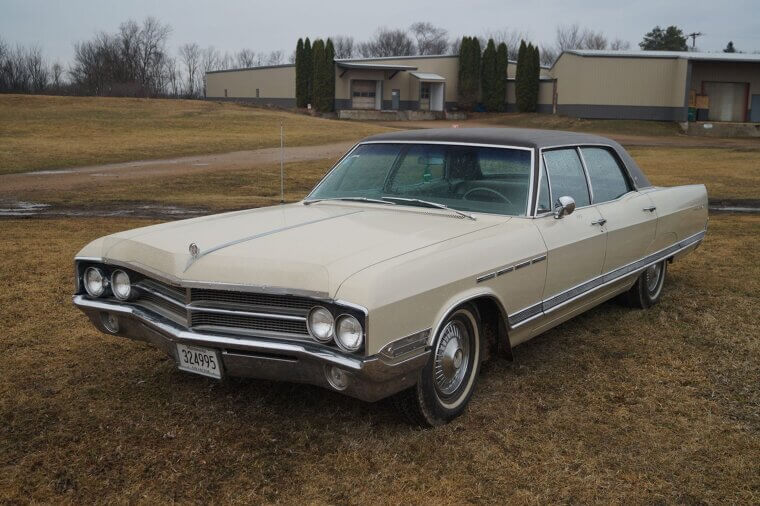
The 1970–1971 Electra 225 Custom convertible is the collector target — these were among the last true American land yachts built with genuine performance engines. Clean convertibles with the 455 and documented history bring $35,000 to $60,000, with rare factory options pushing values higher.
The Imperial Crown That Outlasted Chrysler
Chrysler launched the Imperial as a separate brand in 1955 to compete directly with Cadillac and Lincoln on prestige terms, and for a while, it worked. The 1957–1963 Imperials — designed under Virgil Exner's Forward Look philosophy — were among the most dramatically styled American cars ever built, with tailfins that reached heights that other manufacturers couldn't match without embarrassment. Imperial outlasted its parent brand's ambitions, surviving until 1975 before Chrysler folded it back into the main lineup. The finest examples now command prices that would have shocked the executives who discontinued them.
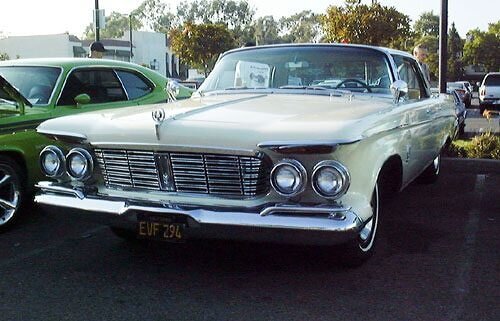
The 1957 Imperial Crown convertible — with its freestanding tailfins and Chrysler's legendary 392 Hemi — is the ultimate Imperial. Concours-quality examples have sold above $200,000. Even the overlooked 1960–1963 models with their distinctive "toilet seat" spare tire covers are climbing past $80,000 as collectors catch on.