
Here's something most people don't realize: foods you've been eating your whole life don't work the same way in your body after 60. Your metabolism quietly rewrote the rules, and nobody sent a memo. In this series, you'll discover which everyday foods now work against you — and the surprisingly easy swaps that fix it.
Your Favorite Breakfast May Fight Back
You've been eating the same breakfast for years — maybe decades. A couple slices of toast, a bowl of cereal, or a blueberry muffin with your morning coffee. It's comforting, familiar, and completely routine. But here's the thing nobody told you: after 60, your body quietly rewrote the rules. Your metabolism slowed, your insulin response shifted, and those same beloved breakfast foods now land differently than they used to.

This isn't about dieting or deprivation. It's about understanding why foods that worked fine at 45 might be working against you now. And it starts with knowing what actually changed inside your body.
Why Your Body Changed the Rules
Here's what actually happened. After 60, your digestive system produces fewer enzymes, so breaking down food takes longer and extracts less nutrition. You're losing muscle mass at roughly one to two percent per year — even if you're active. And perhaps most importantly, your body's baseline inflammation quietly crept upward. This low-grade, chronic inflammation doesn't announce itself with obvious symptoms. Instead, it simmers beneath the surface, making your joints ache, your energy dip, and your heart work harder.

Every body goes through this — it's biology, not failure. But inflammation is the hidden thread worth watching. Many foods that seem perfectly innocent are secretly feeding that fire. Starting with one that's probably sitting on your kitchen counter right now.
White Bread Isn't Harmless Anymore
You already know white bread isn't exactly a health food. But you probably still grab it for sandwiches, toast, maybe a quick PB&J. When you were younger, your body handled it fine — burned through those refined carbs without much fuss. That's over now. After 60, your insulin sensitivity drops significantly, which means white bread spikes your blood sugar faster and higher than it used to. What follows is a familiar pattern: a quick energy burst, then a crash that leaves you foggy and reaching for more food.

That sandwich bread in your kitchen is quietly contributing to weight gain and energy swings you might be blaming on age alone. The good news? There's a simple swap that does the exact same job — and it's probably on the same grocery shelf.
Swap That Does the Same Job
Here's your first easy win: swap white bread for sprouted grain bread. Ezekiel 4:9, available in most grocery stores, is a great starting point. Unlike refined white bread, sprouted grains release glucose slowly, keeping your blood sugar steady instead of sending it on a roller coaster. The fiber and protein in each slice actually help your body manage insulin — exactly what you need after 60. And here's what surprises most people who try it: the texture is hearty, the toast is satisfying, and after a week, white bread starts tasting like nothing.
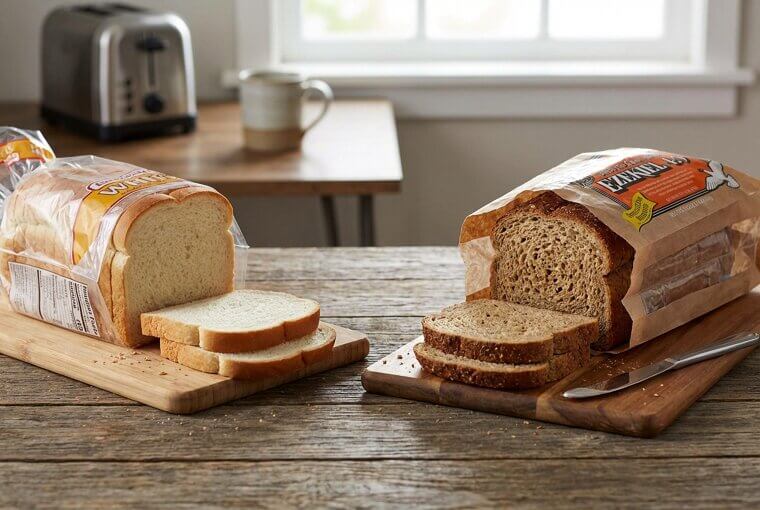
This isn't a sacrifice. It's an upgrade that works on the same shelf, in the same toaster, with the same peanut butter on top. Now — about that "healthy" deli turkey you're putting between those slices.
Deli Meat's Dangerous Secret Ingredient
That sliced deli turkey you consider the "smart" lunch choice? It contains sodium nitrites — preservatives that the World Health Organization has directly linked to colorectal cancer. And adults over 60 sit in the highest-risk category. Every neatly stacked sandwich is delivering a compound your body is increasingly vulnerable to. Here's what makes it worse: a typical serving of deli meat packs 500 to 800 milligrams of sodium. That's roughly a third of what someone over 60 should consume in an entire day — gone in one sandwich.
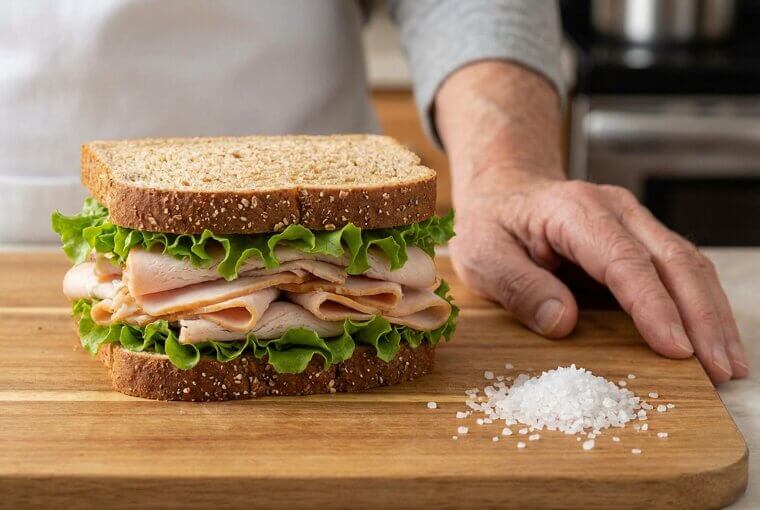
The lean protein you trusted turns out to be a double threat: a cancer-linked preservative wrapped in a sodium bomb. And sodium is a problem that goes far deeper than most people realize — because after 60, your body handles salt in a fundamentally different way.
The Sodium Problem Nobody Mentions
Here's what no one tells you: your kidneys are filtering sodium less efficiently than they did ten years ago. The same pinch of salt, the same recipes, the same portions — but now your body retains more sodium and struggles to flush it out. The result? Blood pressure climbs higher and stays elevated longer from the exact same meal that never bothered you before. After 60, this isn't a taste preference issue. It's a plumbing problem. Your cardiovascular system is absorbing a hit it used to shrug off.
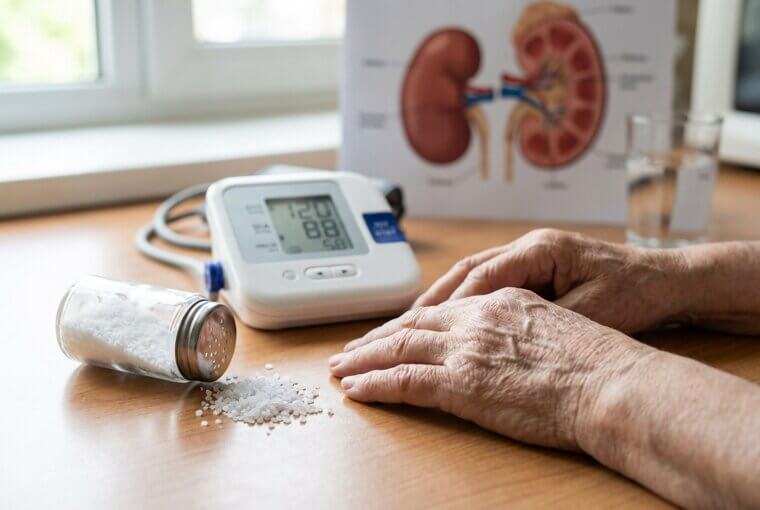
The numbers are stark — this single shift increases stroke risk by up to 23% and heart attack risk significantly, even in people with no prior history. And the worst part? Sodium hides in foods you'd never suspect are loaded with it.
Canned Soup Is a Sodium Trap
That can of chicken noodle soup sitting in your pantry right now? It likely contains around 1,800 milligrams of sodium — and that's the whole can, which most people eat in one sitting. For adults over 60, the recommended daily limit is about 1,500 milligrams. One bowl of soup and you've already blown past your entire day's worth before lunch. Think about that alongside the deli meat from earlier. A sandwich and a cup of soup — a meal that feels almost virtuous — could deliver double your safe sodium intake in a single sitting.
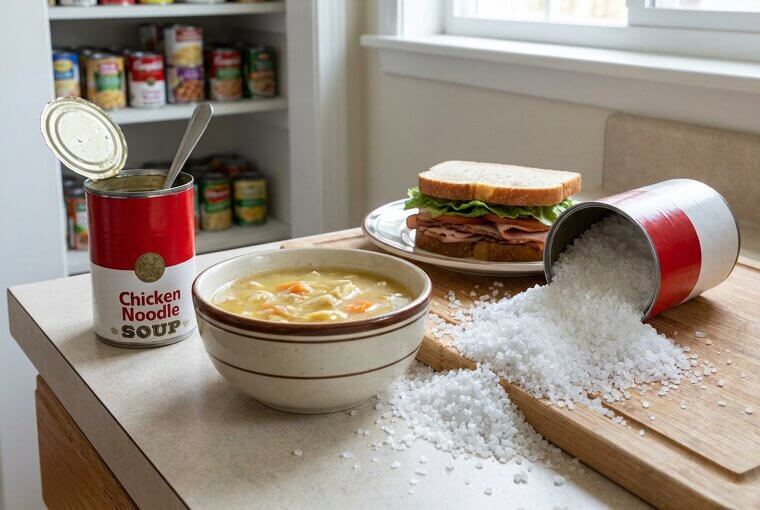
The sodium isn't coming from one villain. It's quietly stacking up across every "harmless" choice you make throughout the day. So how do you catch it before it catches you? There's a simple label trick that takes five seconds.
Read the Label Like a Pro
Here's your five-second grocery store weapon. Grab any can or package, find the Nutrition Facts label, and look at two things: sodium per serving and servings per container. That canned soup from earlier? The label says 890mg per serving — but the can contains two servings. Eat the whole can, and you just consumed 1,780mg without realizing it. Manufacturers use this trick constantly. Your target is simple: keep sodium under 600mg for your actual meal portion — meaning the amount you'll really eat, not what the label pretends a serving is.
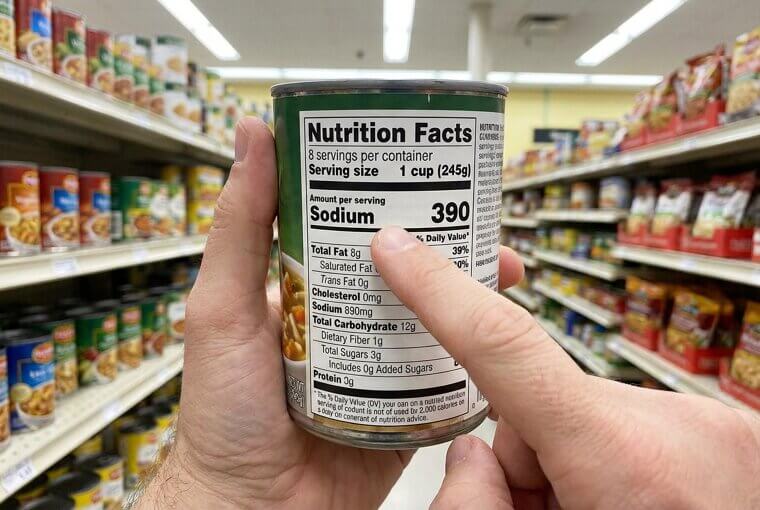
Try this on your very next grocery trip. Flip three items you normally buy and do the math. You might be stunned by what's been hiding in plain sight. But sodium isn't the only thing lurking in "healthy" foods — there's a popular fruit that could be dangerously interfering with your medication right now.
Grapefruit Can Sabotage Your Medication
Here's one that catches almost everyone off guard: grapefruit — that bright, vitamin-packed breakfast staple — can turn your prescription medication dangerously potent. Grapefruit and its juice block a critical enzyme in your intestines called CYP3A4, which normally breaks down medications before they fully enter your bloodstream. Without that enzyme doing its job, drugs flood your system at concentrations far higher than your doctor intended.
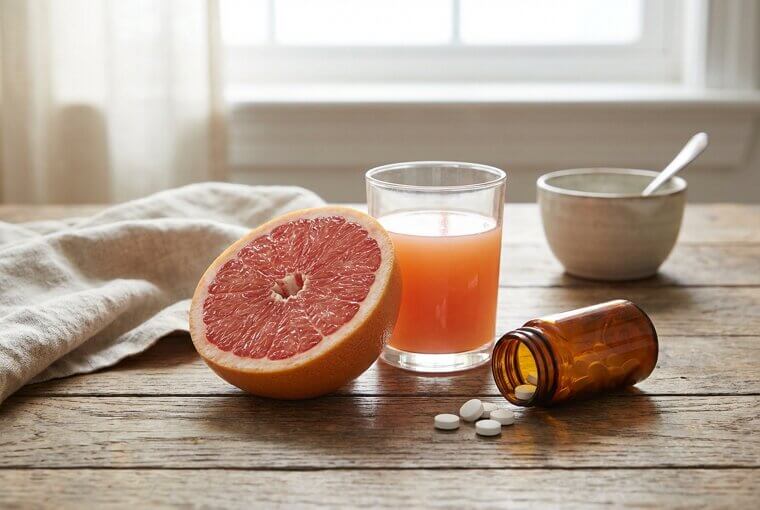
This affects over 85 common medications, including statins for cholesterol, calcium channel blockers for blood pressure, and several heart drugs that millions of adults over 60 take every single morning. One glass of juice could effectively double your dose. And grapefruit isn't the only fruit that does this.
Other Fruits That Interact With Drugs
Here's what pharmacists know that most patients don't: grapefruit isn't the only culprit. Seville oranges — the kind used in marmalade — block that same CYP3A4 enzyme. So do pomelos and certain tangelos. If you're on statins, blood pressure medication, or anti-anxiety drugs, these fruits can silently amplify your dose just like grapefruit does. Most doctors never mention this because the interaction list is long and appointments are short.
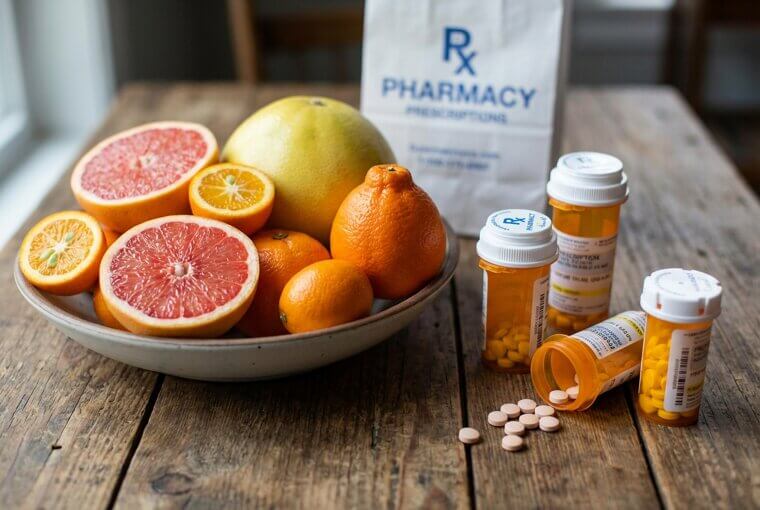
Your simplest move? Next time you pick up a prescription, ask your pharmacist for a food-drug interaction sheet. It's free, it's specific to your medications, and it could genuinely prevent a medical emergency. Now, let's talk about a "health food" that poses a completely different kind of danger — one growing quietly on your sandwich.
Raw Sprouts Aren't Worth the Risk
That handful of alfalfa sprouts on your sandwich looks so harmless — a wispy little garnish. But raw sprouts are one of the most frequent sources of salmonella and E. coli outbreaks in the United States. The reason is built into how they grow: warm, humid conditions that are perfect for sprouting seeds are also perfect for multiplying dangerous bacteria. Washing doesn't fix it. The contamination often lives inside the sprout itself.
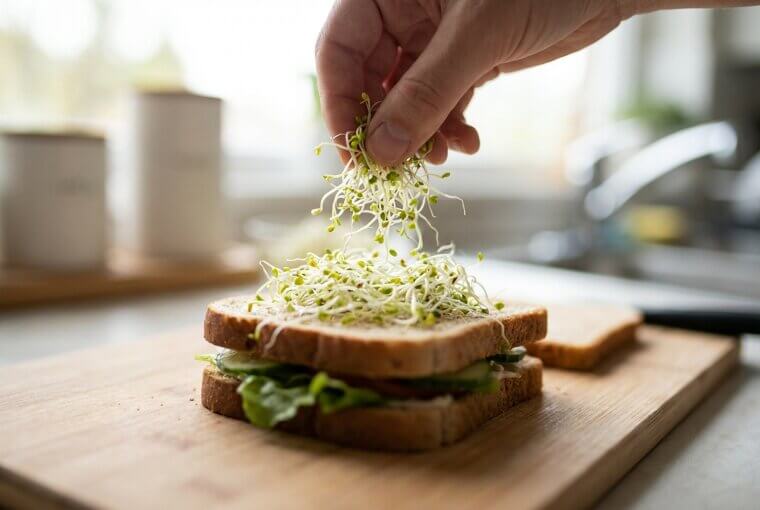
After 60, your immune system doesn't fight foodborne illness the way it once did. What might mean a rough 24 hours for a younger person could land you in the hospital for days — or worse. Think about whether that garnish is worth the gamble. And here's something unsettling: you might be eating raw sprouts without even knowing it.
What Restaurants Won't Tell You
Food safety professionals know something most diners don't: raw sprouts come standard on many restaurant salads, sandwiches, and wraps, and your server probably won't mention them. They're tucked inside, buried under dressing or layered with lettuce where you'd never notice. Kitchen staff treat them like any other vegetable — no special warning, no asterisk on the menu.
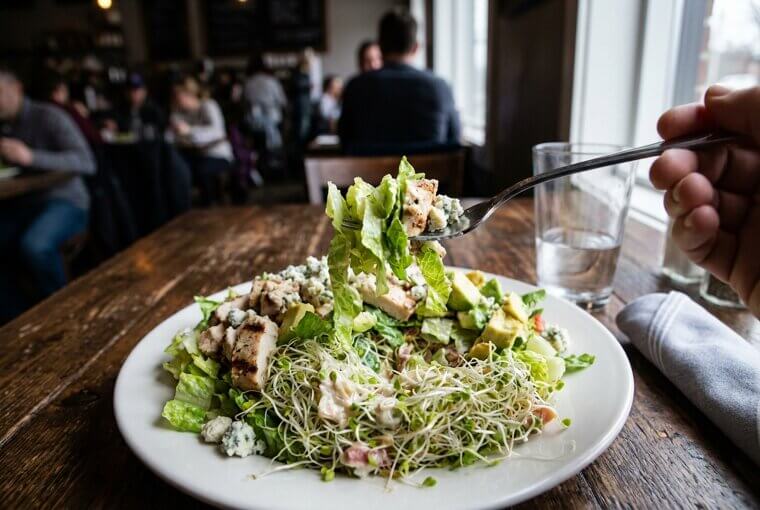
The fix is simple: when you order, specifically say "no sprouts." Nobody will blink. Buffet-style restaurants deserve extra caution too — food sitting at lukewarm temperatures is a breeding ground for the same bacteria that make sprouts risky. Speaking up takes five seconds and could save you a hospital stay. Now, let's talk about another "healthy" swap that's quietly backfiring.
Sugar-Free Doesn't Mean Safe
Here's a twist that catches almost everyone off guard: those sugar-free candies, gums, and cookies you switched to years ago might be causing the digestive problems you've been blaming on age. Artificial sweeteners like sorbitol and mannitol are sugar alcohols your body can't fully absorb. In younger guts, that's a minor issue. But after 60, gut motility naturally slows down — meaning these unabsorbed sweeteners sit longer in your intestines, fermenting and drawing in water. The result? Bloating, cramping, and diarrhea that you've probably chalked up to just "getting older."

That daily discomfort you've accepted as normal might vanish with one simple change — and it doesn't mean going back to sugar. What if the smarter solution is something you'd never expect a nutritionist to recommend?
A Smarter Way to Satisfy Sweet Cravings
Here's your permission slip: use real sweeteners in small amounts. One teaspoon of honey stirred into your morning coffee gives you genuine sweetness with about 21 calories and none of the digestive chaos those sugar-free packets cause. Maple syrup drizzled over plain yogurt, a light sprinkle of raw sugar on oatmeal — these are real flavors your body actually knows how to process.
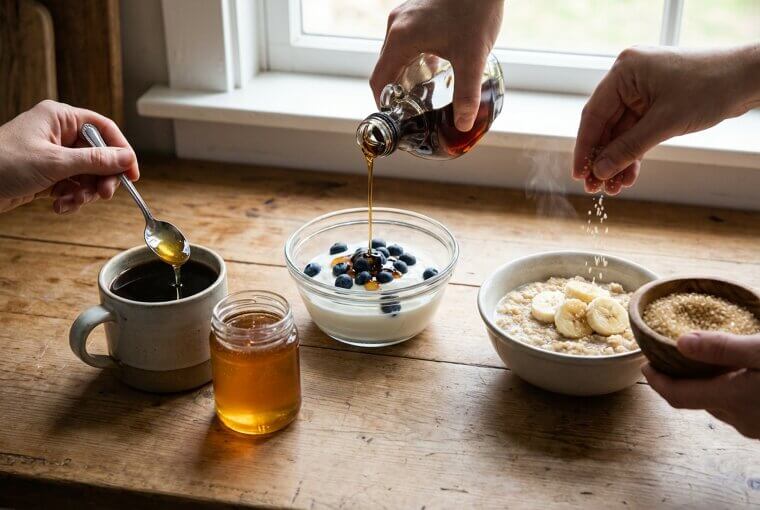
The key is portion control, not elimination. One teaspoon of something real beats three packets of something your gut can't handle. You get the sweetness you're craving without the bloating you've been living with. But speaking of things your body handles differently now — wait until you hear what's happening every time you eat something fried.
Fried Foods Hit Harder After Sixty
Remember when you could demolish a plate of fried chicken without thinking twice? Those days ended quietly. After 60, your gallbladder and liver produce less bile — the substance that breaks down fat. Without enough of it, fried foods sit in your digestive tract far longer, triggering acid reflux, painful bloating, and something more serious you can't feel: chronic inflammation. That's the same inflammation we talked about earlier — the silent engine behind joint pain, heart disease, and cognitive decline.

Every order of fries or fried fish isn't just a heavy meal anymore. It's actively feeding the inflammatory cycle that accelerates aging from the inside out. But here's the good news: there's a cooking method that delivers the crunch you love without the damage.
The Cooking Method That Changes Everything
If you haven't tried an air fryer yet, you're in for a genuine surprise. Air-fried chicken thighs come out golden and crispy using just a light spray of olive oil — cutting fat by up to 75% compared to deep frying. Potato wedges get that satisfying crunch in about 20 minutes with barely a tablespoon of oil total. The secret is superheated air circulating at high speed, creating that Maillard reaction — the same browning chemistry that makes deep-fried food irresistible.
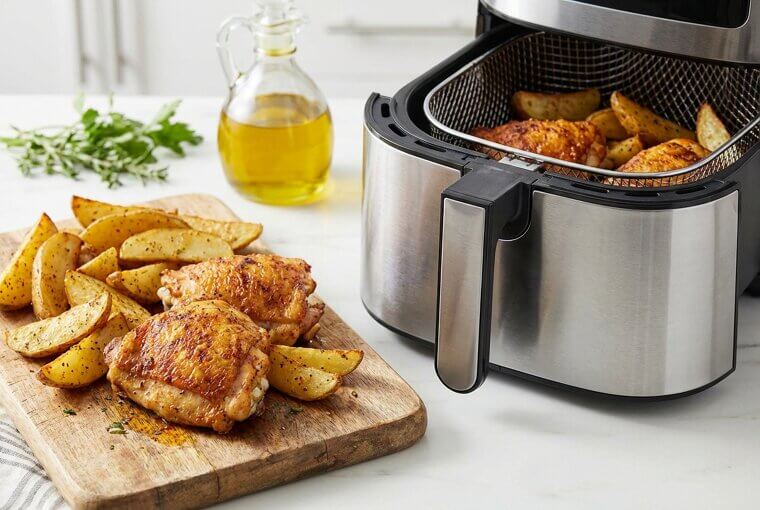
Here's what's telling: most adults over 60 who make the switch say they genuinely don't miss deep frying. The texture is that close. It's not a sacrifice — it's an upgrade your gallbladder and liver will thank you for. Now, let's talk about a beverage that's quietly attacking something you can't afford to lose: your bones.
Soft Drinks Are Stealing Your Bones
You already know soda is loaded with sugar. But here's what most people never realize: cola drinks contain phosphoric acid, a compound that actively blocks your body from absorbing calcium. Every glass is quietly pulling minerals away from your skeleton. After 60, when bone density is already declining naturally, this becomes genuinely dangerous. Osteoporosis risk climbs sharply in this decade, and that daily cola habit is accelerating the process from the inside.

Think about that — it's not just empty calories. It's a drink that's chemically interfering with the one mineral your bones desperately need to stay strong. And if you switched to diet cola thinking you solved the problem? That's where things get even worse.
Even Diet Soda Does This to Bones
Here's the gut punch for anyone who thought switching to diet was the answer: diet cola contains the exact same phosphoric acid as regular. The sugar is gone, but the bone-destroying compound stayed. A Tufts University study found that women who drank diet cola daily had nearly 4% lower bone mineral density in their hips compared to non-drinkers. Four percent might sound small — until you realize that's enough to turn a stumble into a fracture.
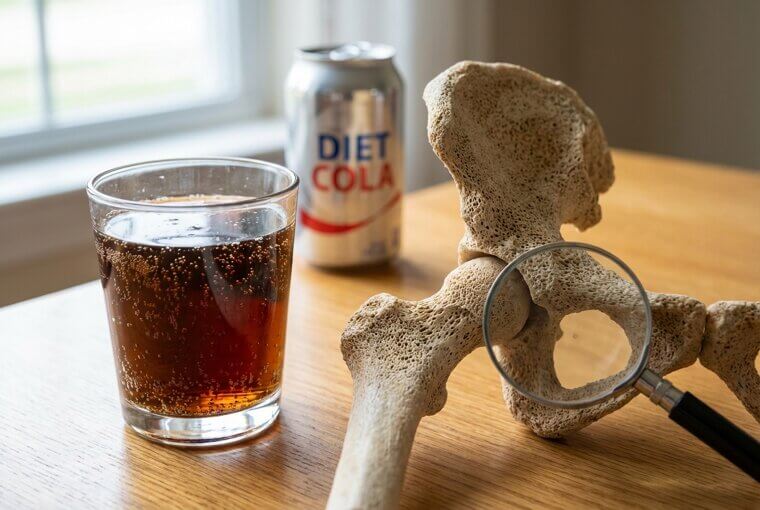
You made what felt like a smart health decision, and the bone damage continued quietly the whole time. So if both regular and diet soda are off the table, what should you actually be drinking? The next section gives you three specific options your bones will love.
Three Drinks Your Bones Actually Need
Instead of cutting soda and staring at an empty glass, fill it with something that actively strengthens your bones. Three options worth rotating daily: calcium-fortified orange juice delivers roughly 350mg of calcium per glass — about a third of what you need daily. Sparkling mineral water with a squeeze of lemon gives you that fizzy satisfaction while providing magnesium and bicarbonates that support bone mineral density. And plain milk — or fortified oat, almond, or soy milk — remains one of the most efficient calcium-and-vitamin-D combinations available.
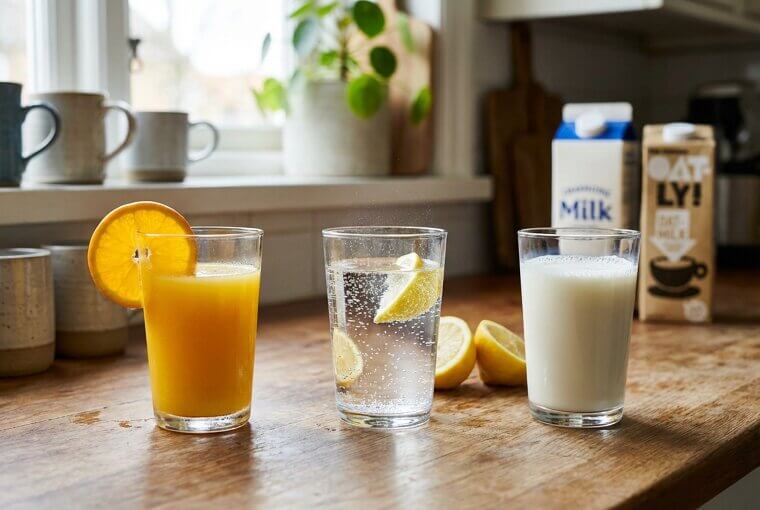
Your target is simple: replace just one soda per day with any of these three. You're not subtracting a pleasure — you're adding actual protection. Now, let's move from what you drink to something on your dinner plate that needs a second look.
Rare Steak Carries a Hidden Risk Now
Here's something food safety professionals know that most doctors never mention: after 60, your stomach produces significantly less hydrochloric acid — the very acid that kills dangerous bacteria in undercooked meat. Simultaneously, your immune system grows less aggressive at fighting what slips through. That rare steak you've loved for decades is now a genuine gamble. Toxoplasmosis, E. coli, and salmonella all thrive in undercooked beef, and your body's two main defense systems against them have both weakened.
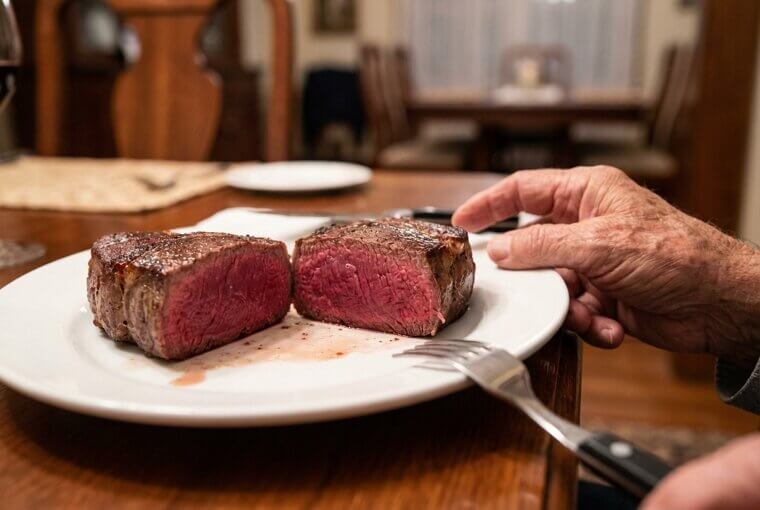
Professional chefs who cook for older adults consistently recommend medium doneness as the minimum — an internal temperature of 160°F. It's a small shift that eliminates most bacterial risk while keeping your steak juicy and flavorful. Speaking of foods where a "small amount" feels harmless, wait until you see what a single tablespoon of soy sauce does to your sodium count.
Soy Sauce Uses Almost All Your Sodium
One tablespoon. That's all it takes. A single tablespoon of regular soy sauce contains roughly 920 milligrams of sodium — nearly 40% of the entire daily limit recommended for adults over 60. Think about that next time you're drizzling it over stir-fry or dunking sushi. What feels like a harmless splash is a massive sodium event happening in seconds. Remember the canned soup that shocked you earlier? One tablespoon of soy sauce delivers about the same sodium punch as half that can.
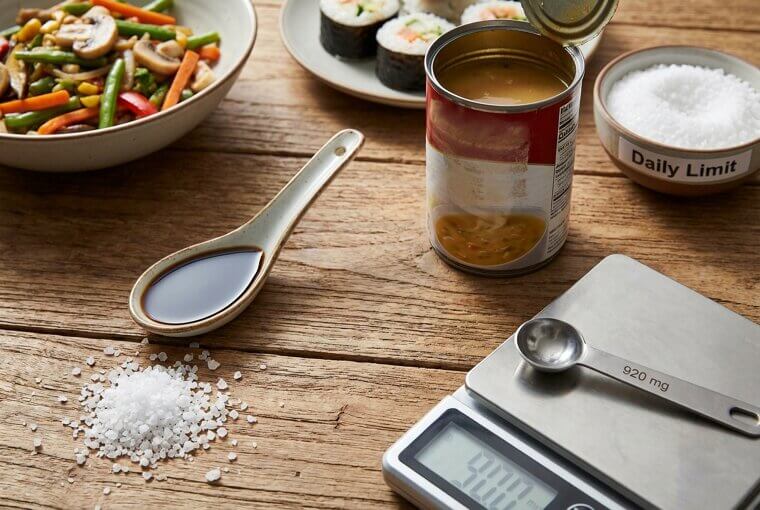
If you've been following the sodium thread through this article, you're seeing the pattern now — it hides in the foods you'd never suspect, in quantities that seem impossibly small. But here's the good news: professional chefs have flavor tricks that solve this problem beautifully.
Seasoning Tricks Chefs Use Instead
Professional chefs never rely on soy sauce alone — and their secret alternatives are sitting in your regular grocery store. Coconut aminos taste remarkably similar to soy sauce but contain about 70% less sodium per serving. You'll find it in the same aisle. Next, a splash of rice vinegar brightens any stir-fry with tangy depth and zero sodium. Toasted sesame oil — just half a teaspoon — adds rich, nutty warmth that tricks your brain into thinking a dish is more savory than it is.
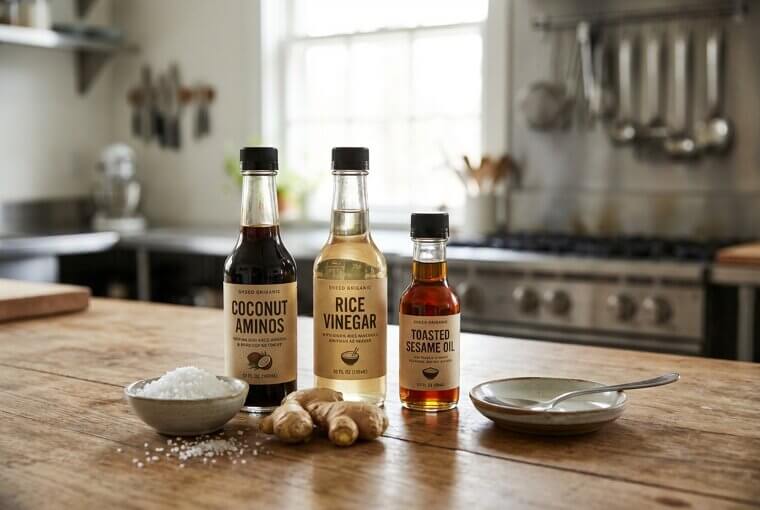
The real insider move? Mushroom powder. Chefs sprinkle it into soups, rice, and sauces to build deep umami flavor without touching a salt shaker. Try combining two or three of these together — that layered complexity is exactly what professionals do. Now, about those "healthy" frozen dinners in your freezer — the label might be lying to you.
Frozen Dinners Are Designed to Deceive
That frozen meal labeled "Lean" or "Heart Smart"? Flip it over. Behind those reassuring claims, you'll typically find 700 to 1,200 milligrams of sodium — potentially half your entire daily limit in one microwaved tray. But sodium isn't the only problem. Manufacturers know freezing destroys flavor, so they compensate with soybean oil, canola oil, and added sugars disguised as maltodextrin or dextrose. These inflammatory seed oils and hidden sweeteners hit two danger zones we've tracked throughout this article simultaneously.
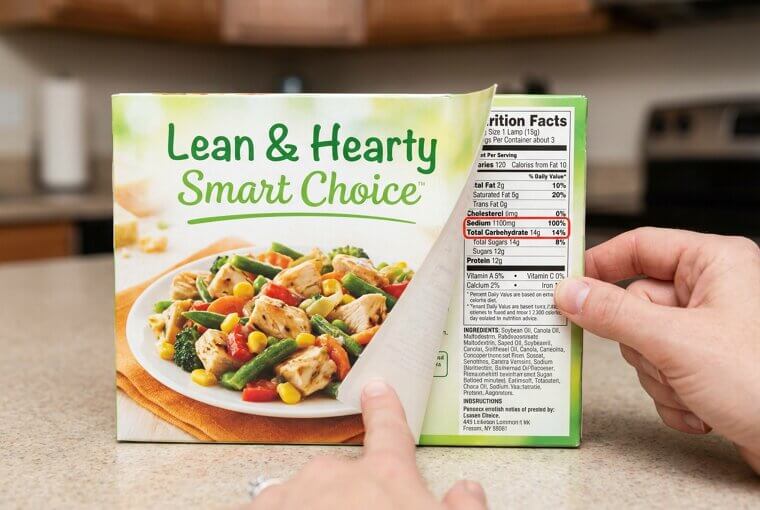
You're getting a sodium bomb and an inflammation accelerator in the same convenient package — wrapped in packaging designed to make you feel smart for choosing it. The good news? There's a dead-simple screening rule that takes five seconds in the freezer aisle.
The 5-Ingredient Freezer Meal Rule
Here's your five-second freezer aisle test: flip the box and scan the ingredients. If you count more than five words you can't pronounce or picture as actual food, put it back. Maltodextrin? Not food. Sodium tripolyphosphate? Back on the shelf. This simple filter eliminates the worst offenders instantly. Now here's your replacement: Sunday chicken-vegetable-rice soup. Sauté diced chicken breast with carrots, celery, and onion. Add low-sodium broth and rice. Thirty minutes, one pot, done.
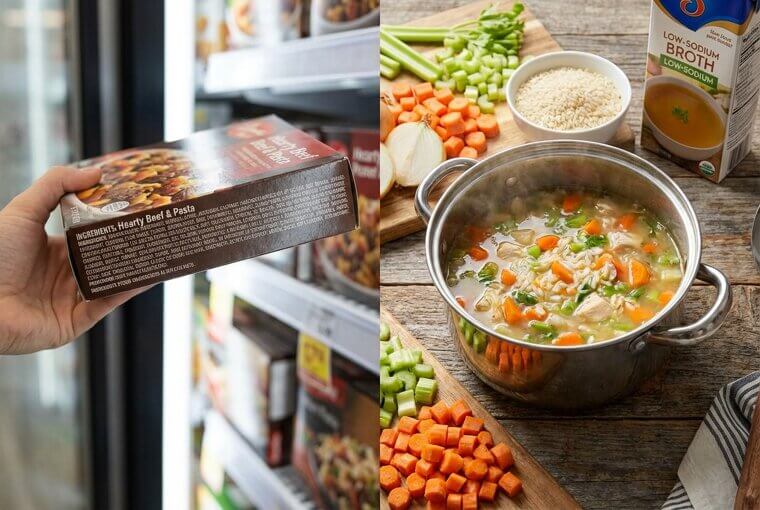
Pour it into individual freezer containers and you've got four or five meals ready to grab anytime — with ingredients you can actually see and name. That's real convenience without the deception. Speaking of things hitting harder than they used to, let's talk about what's happening with alcohol after 60.
Alcohol Tolerance Drops More Than You Think
Here's something most people never adjust for: after 60, your body holds significantly less water, which means alcohol concentrates more in your bloodstream. Simultaneously, your liver produces less alcohol dehydrogenase — the enzyme responsible for breaking down alcohol. The result? One glass of wine now delivers roughly the impact that two glasses did at 40. That's not a metaphor. It's measurable biology. This dramatically increases fall risk, which is already the leading cause of injury-related death for older adults.

It also disrupts deep sleep cycles more severely and creates dangerous interactions with medications like blood thinners, statins, and blood pressure drugs — prescriptions millions take daily. If you're still drinking the way you did two decades ago, your body is silently absorbing a very different experience. But there's a simple, dignified strategy that changes everything.
The One-Drink Reset That Protects You
Smart drinkers over 60 use what experts call the "one and water" rule. Have your single drink — enjoy every sip. Then switch to sparkling water with a lime or orange wedge for the rest of the evening. It looks identical to a cocktail, feels festive, and nobody questions it. You stay social without doubling your risk. This isn't deprivation. It's strategy. And here's your concrete next step: bring your full medication list to your pharmacist and ask them to flag every alcohol interaction.

Most pharmacists will do this for free in under ten minutes, and what they find often surprises people. You deserve to know exactly what that one drink is doing alongside your prescriptions. Now, remember the inflammation thread we've been tracking since the beginning? It's time to pull it all together.
Inflammation: The Thread Behind Everything
Remember the mornings your knees ache before you even stand up? The afternoons where thinking feels like wading through fog? The exhaustion that sleep never quite fixes? You've probably blamed aging — and that's partly true. But here's what this entire list has been quietly showing you: there's a single thread connecting those scattered symptoms. Chronic inflammation. The fried foods, the processed meats, the refined carbs, the sugary drinks — they're not separate problems. They all feed the same invisible fire burning inside your body, every single day.

That fire drives your joint pain, clouds your thinking, strains your heart, and drains your energy. Once you see this pattern, you can't unsee it — and that clarity is genuinely powerful. Because if one cycle connects all these symptoms, then calming that one cycle can change everything. And it starts with five specific foods you can add starting tomorrow.
Five Anti-Inflammation Foods to Add Today
Enough about what to remove — here's what to add. Five affordable anti-inflammatory foods that fight back against that invisible fire. First, wild-caught salmon twice a week — baked, not fried. Second, a handful of blueberries on your morning oatmeal. Third, leafy greens like spinach tossed into whatever you're already cooking. Fourth, a small palmful of walnuts as your afternoon snack. Fifth, drizzle olive oil where you'd normally spread butter on bread.
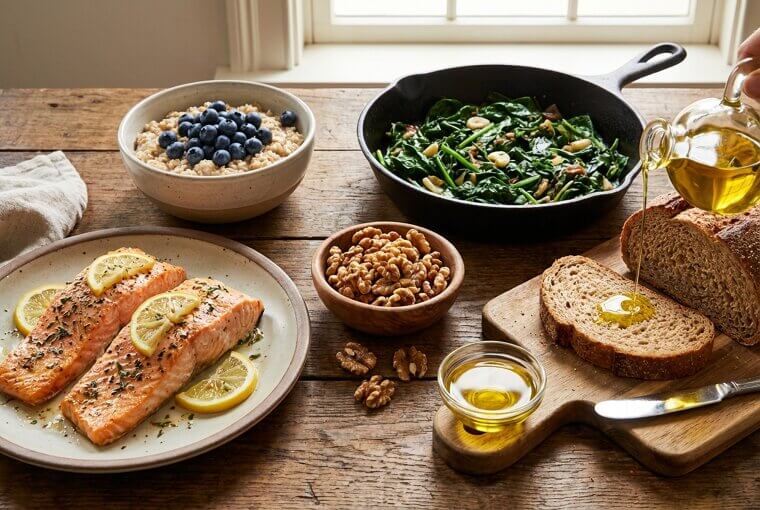
Notice something? None of these require a special store, a big budget, or a cooking degree. You could start all five this week without changing your routine dramatically. Each one actively calms inflammation rather than feeding it. That's a powerful shift. But the real reason to make these changes goes deeper than your own health — and it might be the most important thing in this entire article.
Small Changes Protect the People You Love
You're not swapping bread or reading sodium labels for yourself alone. You're doing it so you can chase a grandchild across the yard without stopping to catch your breath. So your spouse doesn't become your caretaker before their time. So your kids don't get that frightening midnight phone call. Every quiet choice — the blueberries instead of the pastry, the water after that first glass of wine — is a vote for more years of being fully present at the table, not just sitting at it.

Independence isn't just a word after 60. It's picking up your own groceries, driving yourself to Sunday dinner, remembering every name at the birthday party. The people who love you aren't asking for perfection. They just want more time. And that's exactly what the final section is about.
You Don't Need Perfect, Just Aware
Here's the truth: you don't need to memorize every section you just read. You don't need to clear your pantry tonight or feel guilty about yesterday's lunch. Perfection was never the point. Awareness was. And now you have it. You understand why your body rewrote the rules, which foods quietly stopped being harmless, and which simple swaps actually move the needle. That knowledge lives in you now — in every grocery aisle, every restaurant menu, every meal you make at home.

Most people your age will never read something like this. They'll keep wondering why they feel the way they feel. But you tapped through all thirty sections. That tells me something important about you: you care enough to try. And caring enough to try? That's where every good year starts.Disclaimer: This story is based on real events. However, some names, identifying details, timelines, and circumstances have been adjusted to protect the privacy of the individuals involved. The images in this article were created with AI and are illustrative only. They may include altered or fictionalized visual details for privacy and storytelling purposes