
Some of the most valuable antiques in America are sitting in living rooms, attics, and garages right now — mistaken for junk. Before you donate, sell for a dollar, or toss anything your grandparents left behind, read this. A few of these pieces have sold for thousands, and the tells are hiding exactly where nobody thinks to look.
Cast Iron Doorstops Worth Keeping
A cast iron doorstop shaped like a Boston Terrier sold at a Morphy Auctions sale for $4,025 — and that wasn't even a record. The most collectible figural doorstops, made between the 1880s and 1930s, routinely fetch $500 to $3,000 depending on the subject and maker. Flower baskets, lighthouses, and Black Americana figures are the holy grail. Yours is probably holding open the laundry room door.
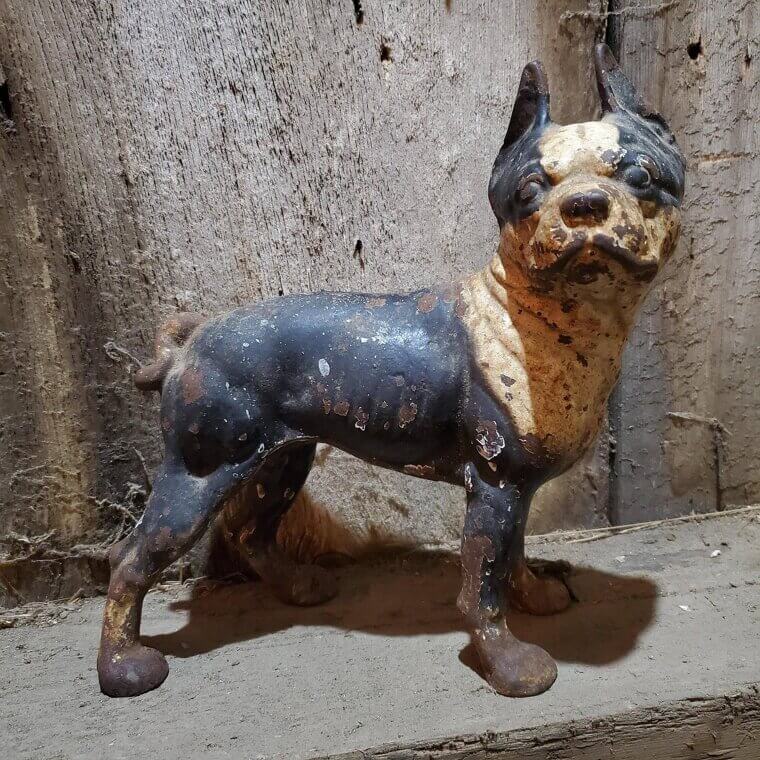
Flip it over. If you see a seam down the middle and a hollow back, you've got a genuine antique casting — not a hardware store reproduction. The next item on this list fooled even seasoned dealers.
Vintage Brass Candlesticks Hold Value
A pair of Victorian-era brass candlesticks — the kind your grandmother kept on the mantle — routinely sells for $200 to $800 at auction, depending on the maker's mark stamped on the base. The magic word is 'pair.' Single candlesticks lose roughly 40% of their value the moment they're separated. Turn yours over and look for a hallmark before you do anything else.
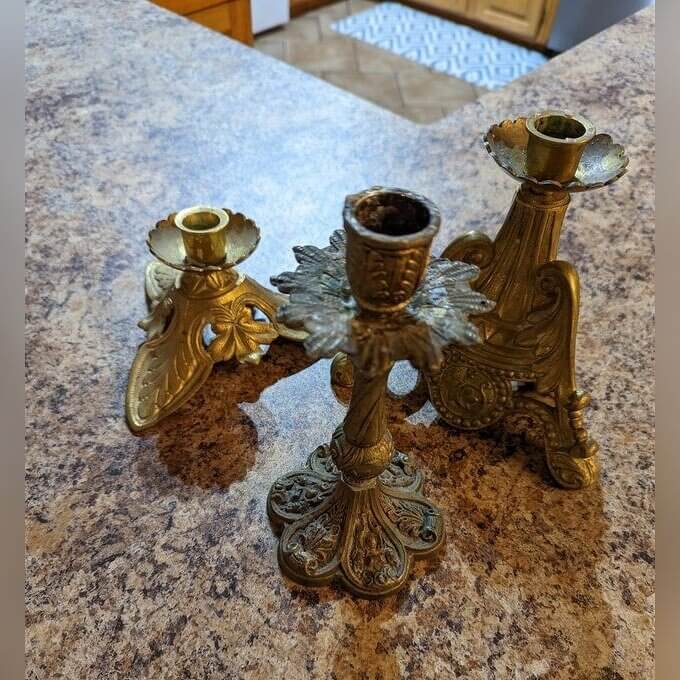
Reproductions flood the market, but real Victorian brass develops a patina no factory can fake. The weight alone will tell you which one you're holding — and so will the price tag at your next estate sale.
Ornate Mantel Clocks Still Tick
A Seth Thomas mantel clock from the 1880s recently sold at auction for $4,200 — and the buyer considered it a steal. These ornate shelf clocks were the centerpiece of Victorian parlors, and the ones with original porcelain faces, brass bezels, and working movements are exactly what collectors are hunting right now. The movement maker matters as much as the case: Seth Thomas, Ansonia, and New Haven command serious premiums over unmarked pieces.
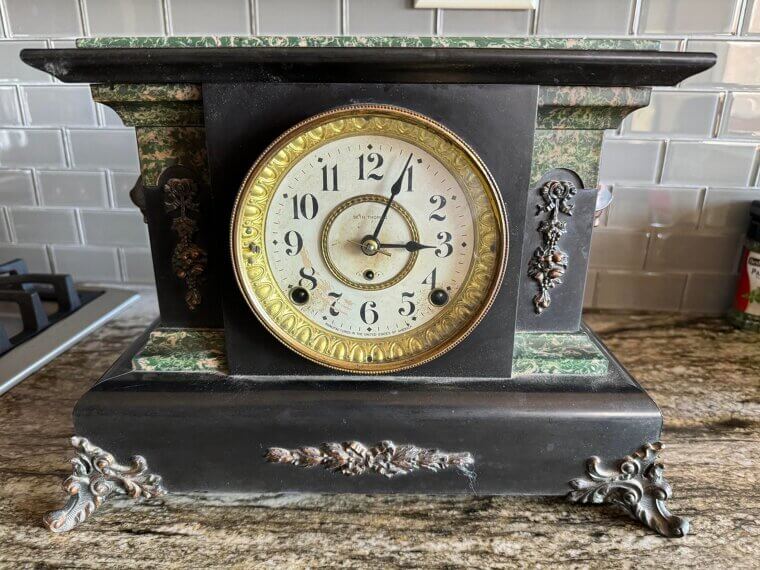
An unmarked clock is a conversation piece. A stamped one might be a car payment — and that stamp is on the back plate, where almost nobody thinks to look.
Fiestaware Dishes From the 1930s
Fiestaware's original red glaze — the one that made the 1930s lineup so visually iconic — contained actual uranium oxide. Homer Laughlin pulled it from production in 1943 because the government needed the uranium for the Manhattan Project. A complete original six-color set in mint condition can fetch $1,000 to $3,000 today, and single vintage red pieces regularly clear $100 each at auction.
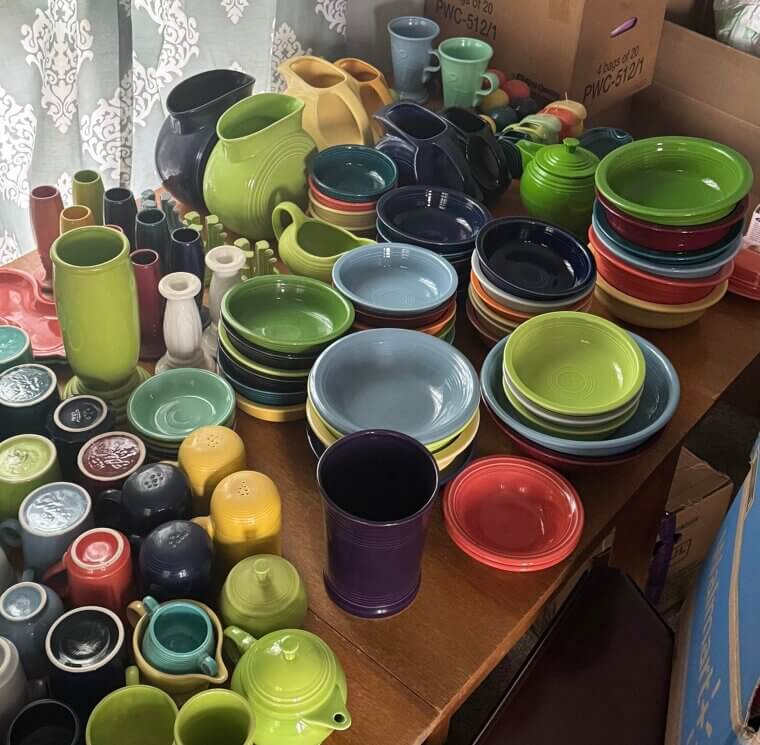
Check the bottom for the original 'Genuine Fiesta HLC USA' stamp — reproductions are everywhere, and the difference between spotting one and missing it is about $900.
Vintage Ceramic Cookie Jars
McCoy Pottery's corn-shaped cookie jar sold at auction in 2021 for $4,200 — and that's not even close to the record. Rare figural jars from the 1940s and '50s, especially mammy figures or Little Red Riding Hood designs by Hull Pottery, routinely clear $500 to $2,000. The catch: reproductions flooded the market in the '80s, and they're nearly identical unless you know exactly where to look.
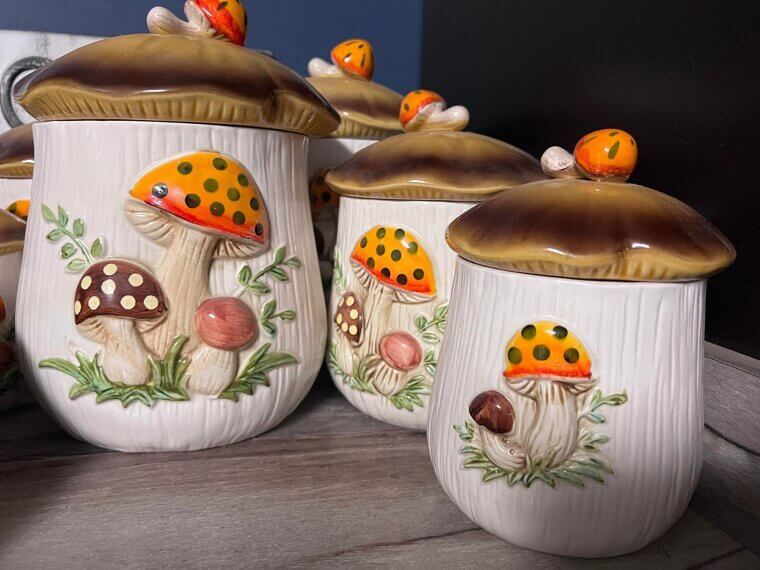
An authentic McCoy mark looks slightly uneven — machine-perfect lettering is actually the red flag. Your grandma's kitchen might've been storing cookies and cash at the same time.
Hand-Painted Milk Glass Vases
Milk glass looks like something your grandma used to store cotton balls — and that's exactly why people keep donating it. Big mistake. A single hand-painted Fenton milk glass vase from the 1950s regularly fetches $80 to $300 at auction, and a rare decorated Bristol piece can clear $600. The painting style is the tell: look for enamel florals with visible brushstrokes, not decals.
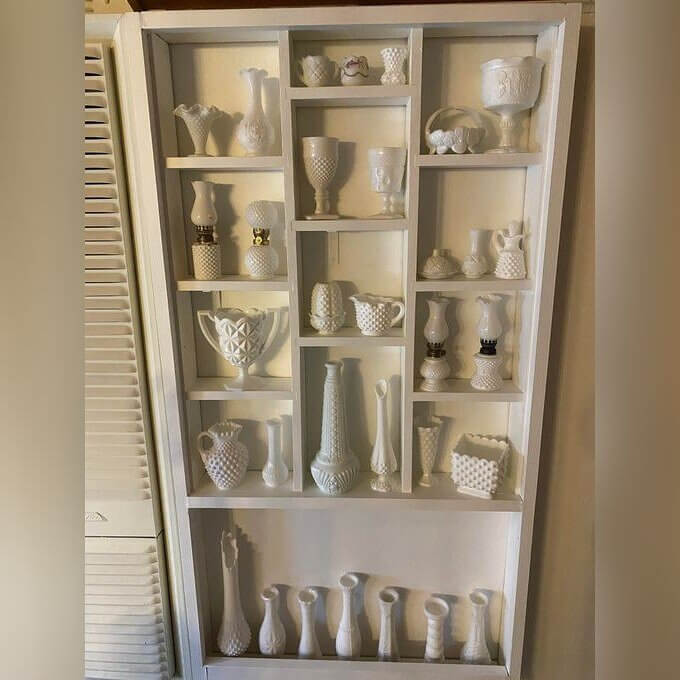
Decals feel slightly raised but uniform. Hand-painted enamel has texture you can actually feel with your thumbnail. Run your finger across it before you price it at $3.
Antique Oil Paintings in Gilt Frames
A dusty oil painting in a heavy gold frame looks like a lot of work to move — which is exactly why people donate them. Big mistake. A single 19th-century European oil painting in original gilt framing routinely clears $2,000 to $15,000 at auction, and if the canvas carries a legible signature, appraisers start the conversation at five figures before they've even cleaned the varnish.
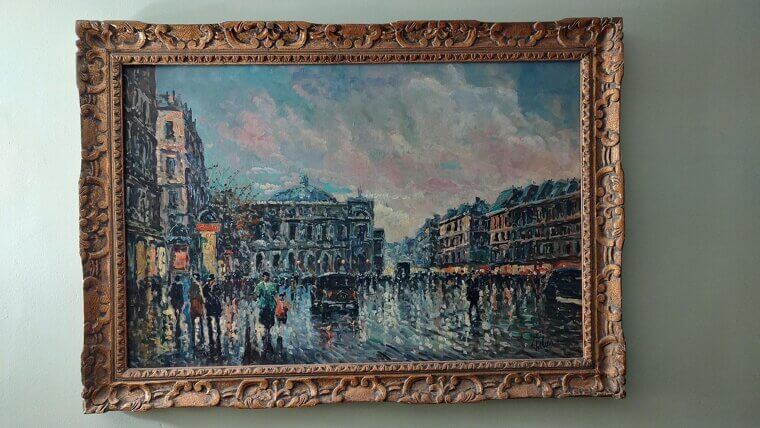
The gilt frame alone can be worth $800+ stripped off and sold separately. So even if the painting turns out to be nobody's masterpiece, you're still holding something. Next slide gets weirder.
Needlepoint Footstools With Age
A needlepoint footstool your grandmother made in 1962 can fetch $400–$1,200 at auction — not because of the stitching, but because of the frame underneath. Carved walnut or mahogany bases from the Victorian or Edwardian era are doing the heavy lifting here. Dealers will literally strip the top and resell the base alone. The needlepoint, weirdly, is just a bonus.
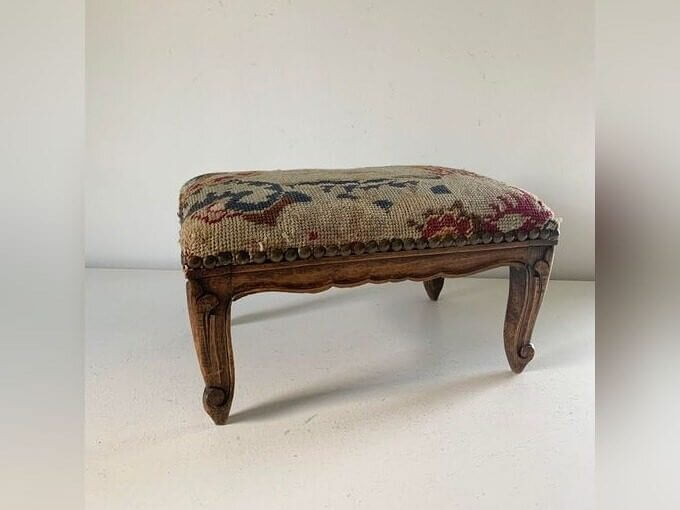
If the legs are hand-carved and the wool still has its color, you're not looking at furniture — you're looking at a mortgage payment. Check the underside for a maker's mark before you donate it.
Carnival Glass Bowls and Pitchers
Carnival glass looks like someone dipped a bowl in a rainbow and called it a day — but Fenton Art Glass was doing exactly that starting in 1907, and collectors are still losing their minds over it. A single Northwood 'Peacock at the Fountain' punch set in cobalt blue sold for over $15,000 at auction. The color and pattern combination is everything: marigold is common, but red or ice green? Whole different ballgame.
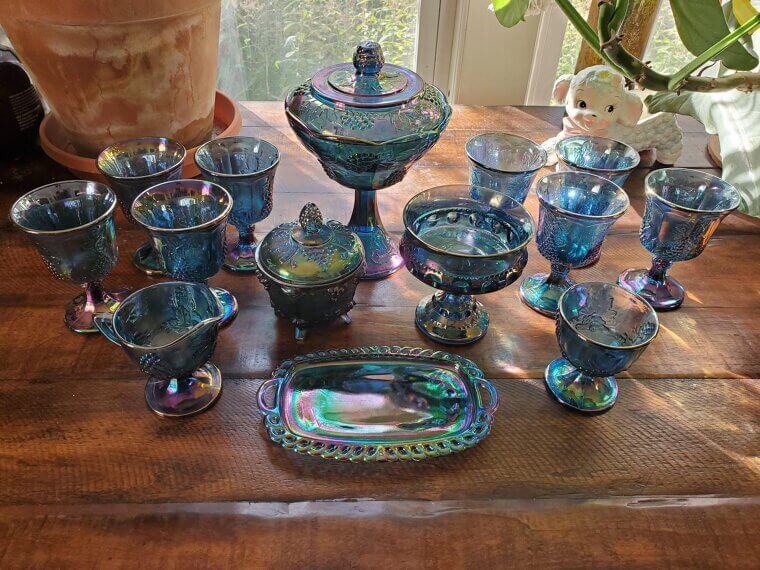
That dusty orange bowl at your grandma's house? Flip it over and look for the raised maker's mark. Marigold Fenton is a $40 find. Cobalt Northwood is a mortgage payment.
Depression Glass in Every Color
During the Great Depression, glassware manufacturers like Anchor Hocking and Federal Glass slipped free pieces of pink, green, amber, and cobalt tableware into boxes of oats and flour — because families couldn't afford to buy dishes outright. That 'free gift' strategy created millions of sets. Today, a single rare piece in ultramarine or ice blue can fetch $200 to $400. A complete 32-piece set in mint condition? Closer to $1,500.
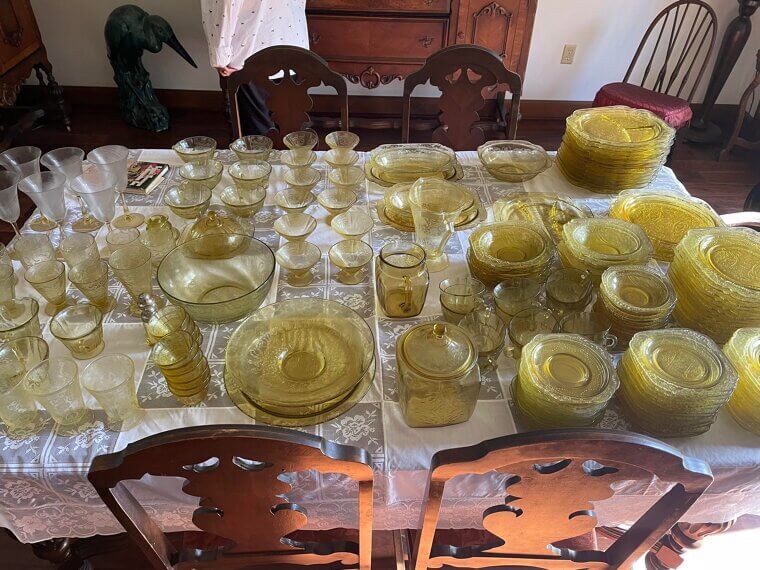
The pink stuff your grandma kept in the china cabinet 'just for display'? She was accidentally running a storage unit for collectibles. Dig out every last saucer before you call the donation truck.
Pressed Glass Butter Dishes
Pressed glass butter dishes from the 1880s–1910s look like something your grandma used for Sunday dinner — because she probably did. But certain patterns like Heisey's 'Fancy Loop' or Northwood's 'Grape and Cable' regularly fetch $200–$600 at auction. The trick is the lid: a complete set with an undamaged dome is worth three times a base sitting alone.
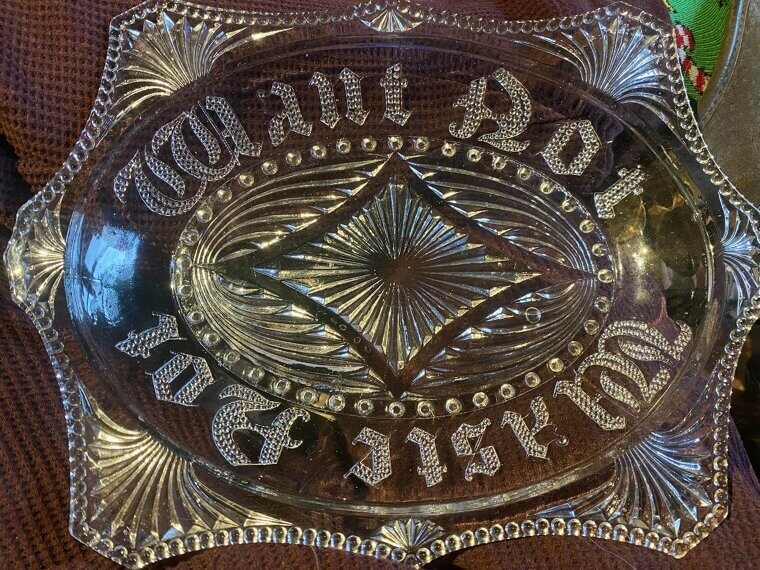
Dealers specifically hunt estate sales for these because most families have no idea they're sitting on a matched set. Check the pattern against a pressed glass reference guide before you price it at $12.
Tiffany-Style Stained Glass Lamps
Louis Comfort Tiffany's original dragonfly lamp sold at Christie's in 2022 for $3.37 million — but even the unlabeled 'Tiffany-style' lamps gathering dust in grandma's sunroom can fetch $500 to $5,000 depending on age and craftsmanship. The tell is in the solder: genuine early pieces use a copper foil technique Tiffany Studios patented in the 1890s. Flip yours over and check the base for a stamped 'TIFFANY STUDIOS NEW YORK' tag.
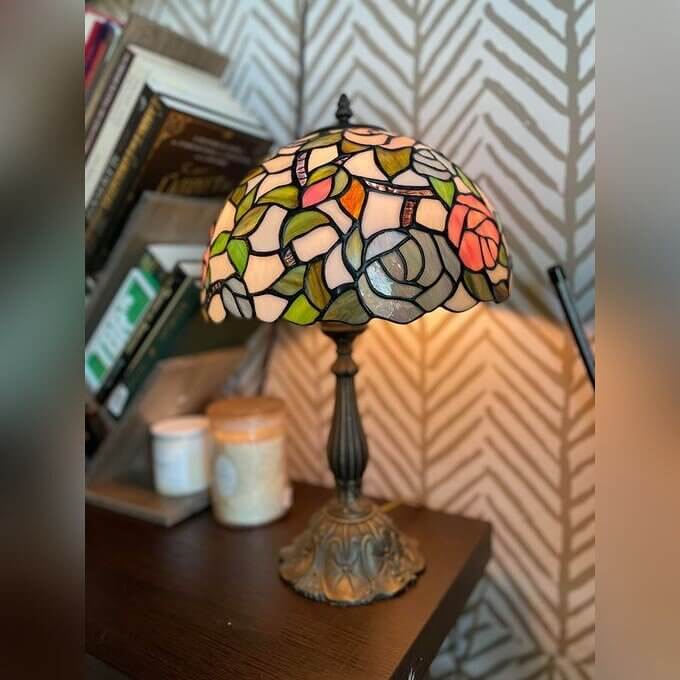
Most people price these at $40 at estate sales just to move them — and dealers walk away thrilled. The copper foil work and base stamp are hiding in plain sight. Next up might hurt even more.
Wicker Rocking Chairs From Porches
Your grandmother's porch rocker might be sitting on a few hundred dollars — or a few thousand. Victorian-era wicker rockers from makers like Heywood Brothers & Wakefield Company (they merged in 1897) routinely fetch $800 to $2,500 at auction when the weave is tight and the frame's intact. The telltale sign of serious value: natural rattan construction, not the paper fiber stuff manufacturers switched to after WWII.
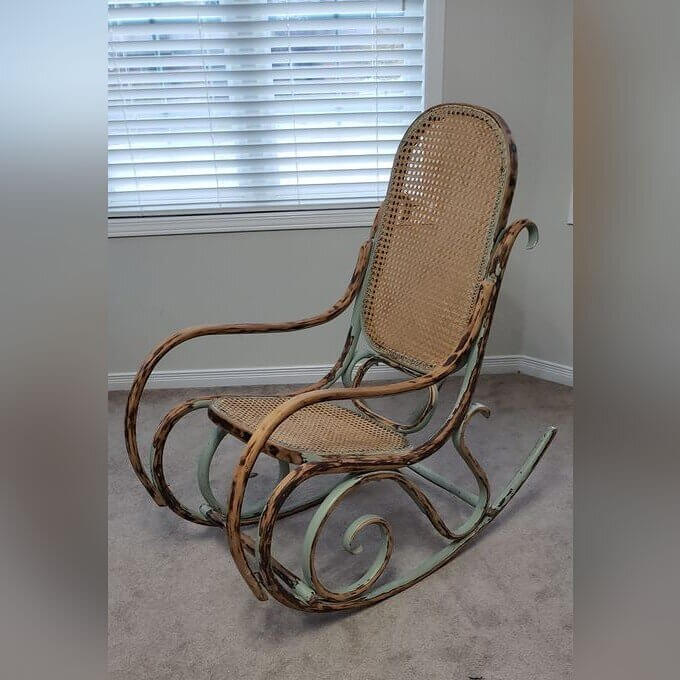
Collectors specifically hunt the ones with the tight peacock-fan backs. If yours has that detail, stop using it as outdoor furniture immediately — and definitely don't repaint it.
Vintage Tin Advertising Signs
A beat-up Coca-Cola tin sign from the 1930s sold at auction for $8,400 in 2022 — and the seller almost used it to patch a barn wall. Pre-1950s embossed tin signs for motor oil, soda, and tobacco brands are the ones worth chasing. Lithographed, not paper-backed. Four clean corners. Original hanging holes. Condition is everything, but even a rusty Mobil Pegasus sign regularly clears $500.
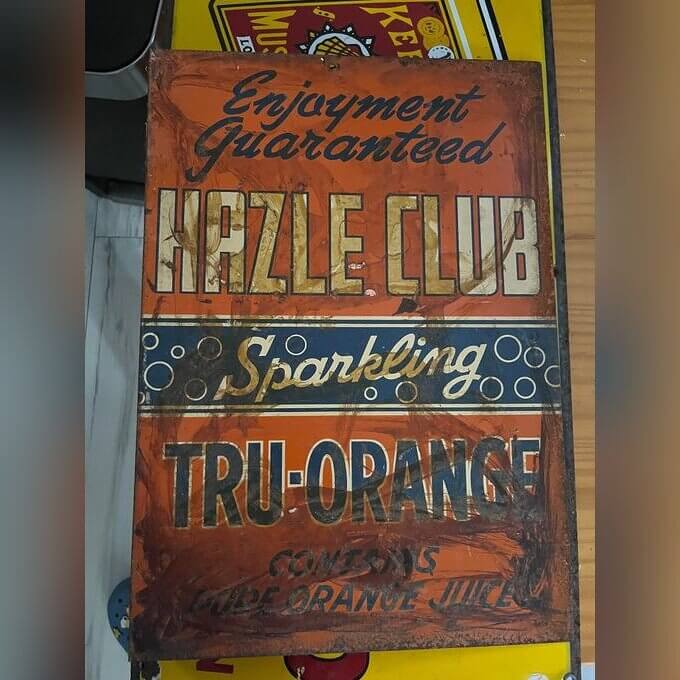
That faded Orange Crush sign your uncle has nailed above his workbench? He thinks it's décor. You should probably make him an offer before he figures out what it's worth.
Embroidered Linen Tablecloths
A single embroidered linen tablecloth from the early 1900s — the kind your grandmother folded like it was sacred — can fetch $200 to $800 at auction, and the really elaborate ones with hand-stitched monograms or regional folk patterns push past $1,500. Buyers aren't just collectors; textile museums actively compete for pristine examples. The condition of the embroidery thread matters more than the linen itself.
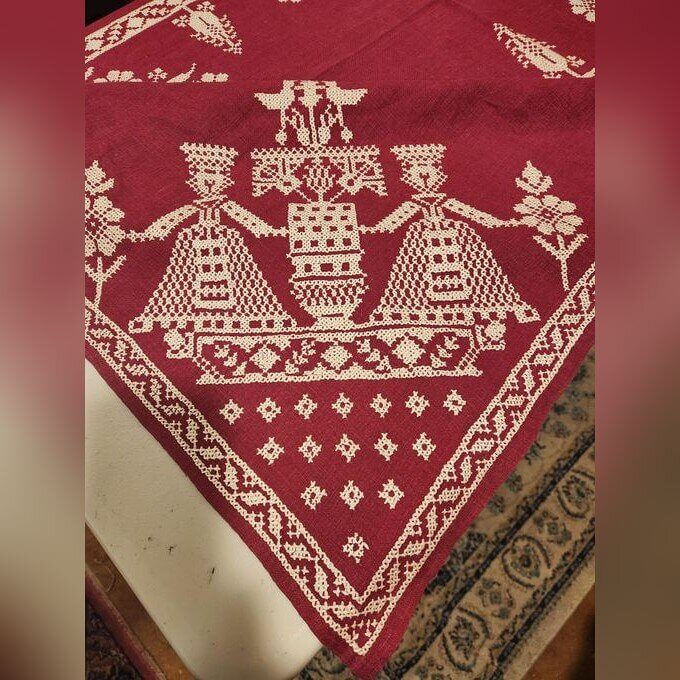
That stack in the cedar chest you've been meaning to donate? Run a quick search before you bag it up. One Etsy seller moved six of them in a weekend at $340 each.
Copper Kettles on Old Stoves
Copper kettles were the original slow cookers — hand-hammered, dovetail-seamed, and built to outlast everyone who owned them. A 19th-century American copper kettle in good shape routinely sells for $300 to $800 at auction, and a large dovetail-constructed piece with its original bail handle can clear $1,200 without breaking a sweat. The ones sitting on old wood stoves in farmhouse kitchens? Those are the ones dealers are quietly hunting for.
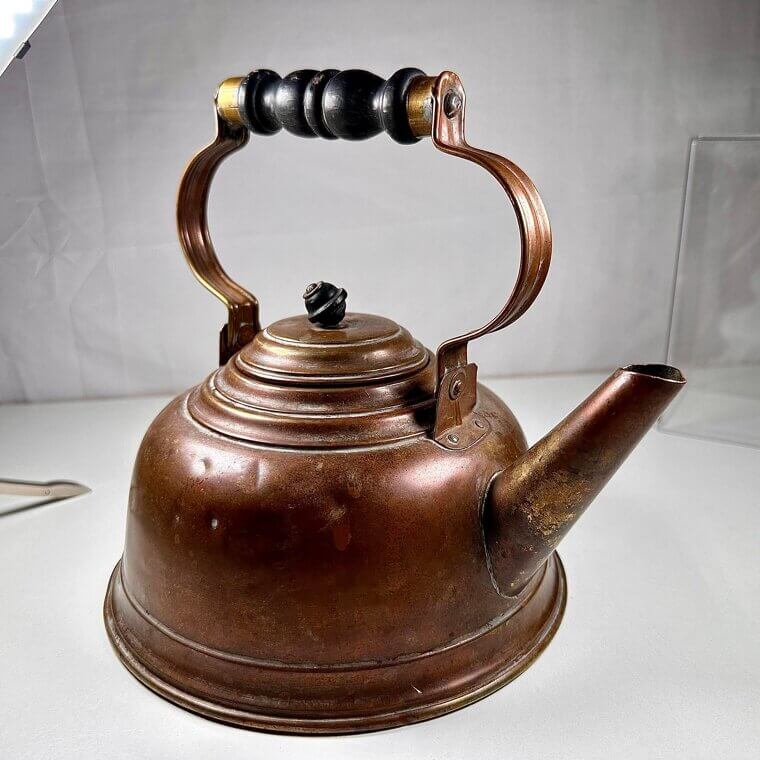
The green patina everyone's been scrubbing off for decades? That's actually what collectors are paying a premium for. Stop cleaning it. Next up is something most people toss in a yard sale box without a second thought.
Majolica Pottery From the 1800s
Majolica pottery hit its peak at the 1851 Great Exhibition in London, and Victorian collectors went absolutely feral for it. The glazed, vividly colored earthenware — think oyster plates shaped like actual oysters, asparagus dishes that look like asparagus — was made by Minton, Wedgwood, and George Jones, and a single George Jones piece in good condition can fetch $3,000 to $8,000 at auction today.
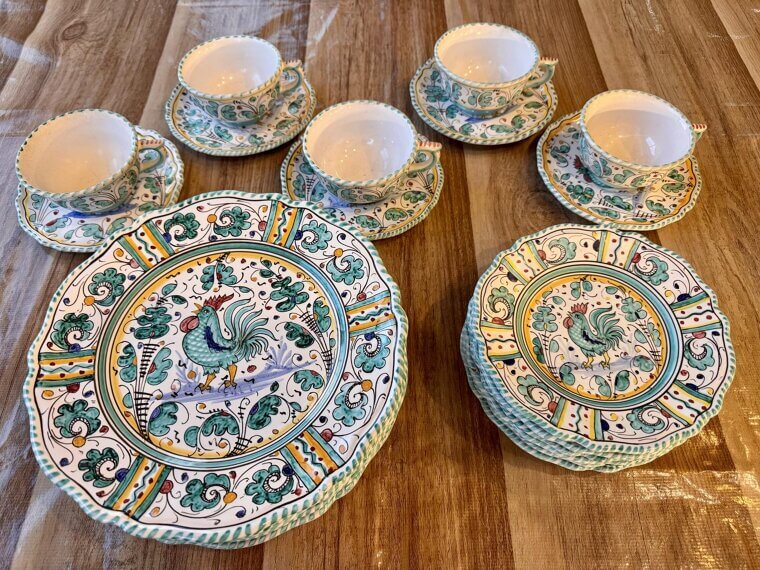
The catch? Reproductions flooded the market in the 1980s. Authentic 1800s pieces have a specific mold seam pattern and a rougher, unglazed base that fakes almost always get wrong — turn it over and look.
Vintage Barometer in Wooden Case
Sailors and farmers used to stake their lives on these things. A quality Victorian brass barometer in an oak or mahogany case — think Negretti & Zambra or Short & Mason, made between 1860 and 1910 — routinely sells for $800 to $3,500 at auction. The wooden case is half the value: original beveled glass and intact brass fittings can double what a stripped-down version fetches.
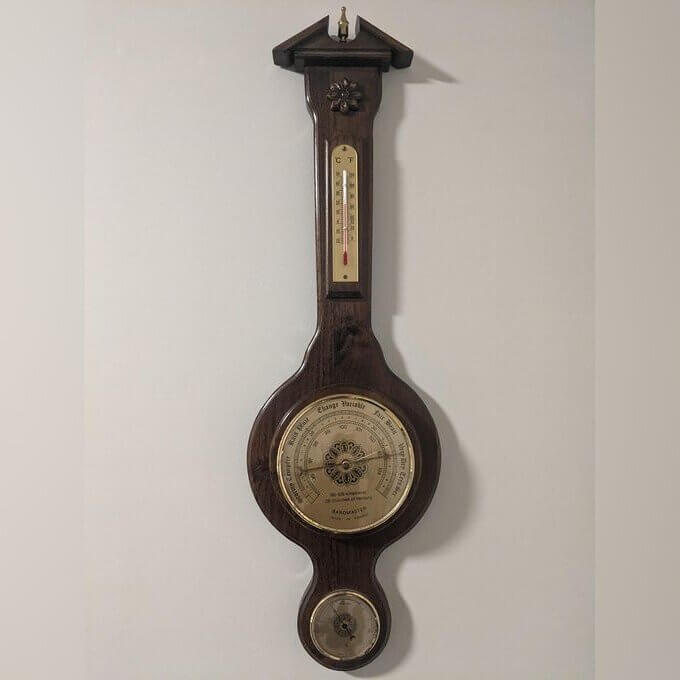
Most people inherit these and assume they're decorative junk. A maker's name engraved on the back plate — Negretti & Zambra, Short & Mason — is basically a price tag waiting to be discovered.
Hand-Carved Wooden Decoys
A faded, beat-up duck sitting in a box at an estate sale once sold at Copley Fine Art Auctions for $856,000. That was a single decoy carved by Elmer Crowell of East Harwich, Massachusetts, around 1915. The hunting tool nobody thought twice about is now a legitimate fine art category, with top-tier pieces routinely clearing six figures. The carver's name — and whether the paint is original — makes all the difference.
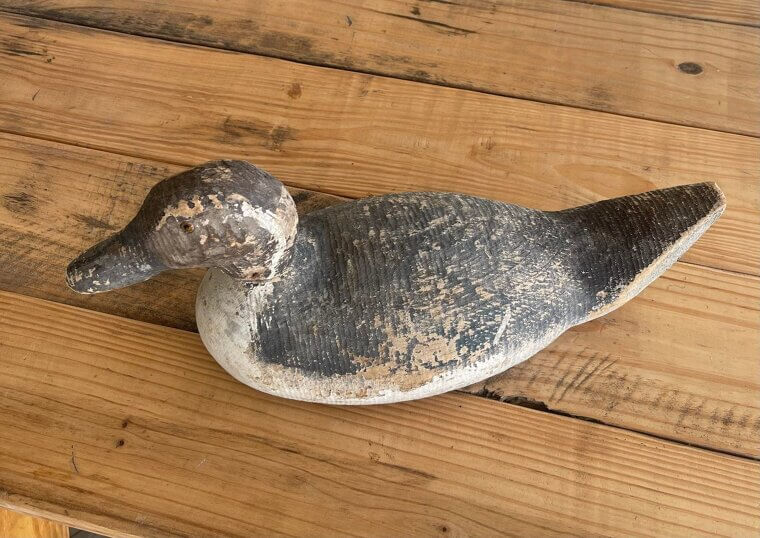
Check the bottom for a signature or stamp before you do anything with it. An unsigned Crowell still sold for $36,000 in 2022. An unsigned anything-else might still surprise you.
Antique Pewter Tankards and Plates
Pewter got a bad reputation as the 'poor man's silver' for centuries, which is exactly why so many families tossed it without a second thought. Big mistake. A set of 18th-century English pewter tankards with a maker's touchmark — that small stamped symbol near the base — can fetch $800 to $3,000 per piece at auction. The touchmark is everything: it's the difference between a decorative prop and a documented antique.
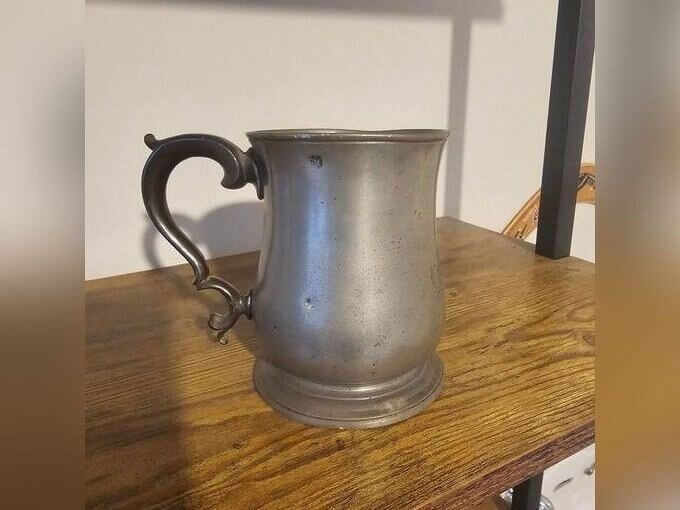
Before you donate a single piece, check the base of every one. That faint little touchmark stamp? That's where the money lives — and most people never look.
Hooked Rugs Made by Hand
A hooked rug from the 1800s recently sold at Skinner Auctions for $9,200 — and it looked like something your grandmother stored in the attic. Hand-hooked rugs made before 1900 are essentially folk art, and collectors treat them that way. The subject matter is everything: patriotic eagles, animals, and geometric patterns from New England fetch the most. Signed examples? Double the price, easy.
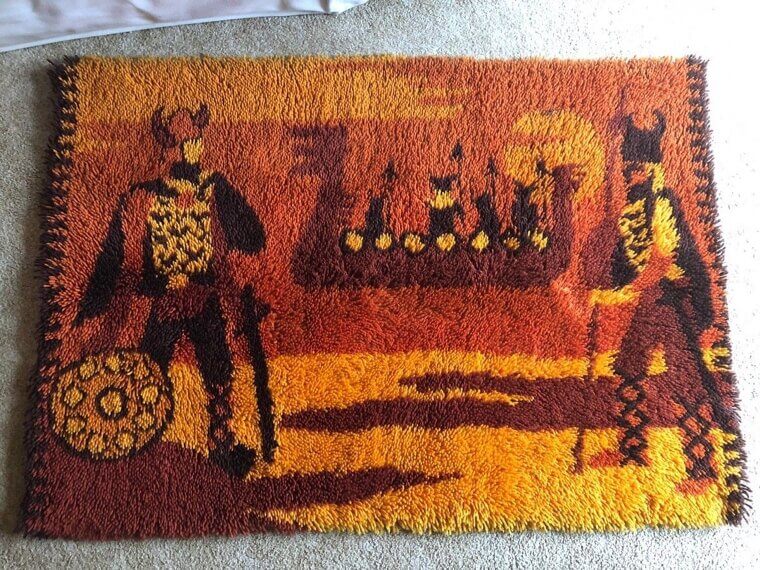
Dealers literally tour estate sales just hunting these. If yours has a date or initials worked into the border, don't touch it — get it appraised first. Next up is something most people throw straight in the trash.
Victorian Calling Card Trays
Before texting existed, you announced yourself with a calling card — and the tray that held them became a status flex in its own right. Victorian silver-plated card trays from the 1870s–1890s, especially marked pieces from Meriden Britannia or Reed & Barton, routinely fetch $150–$400 at auction. Ornate figural versions with cherubs or hands holding the dish? Double that, easy.
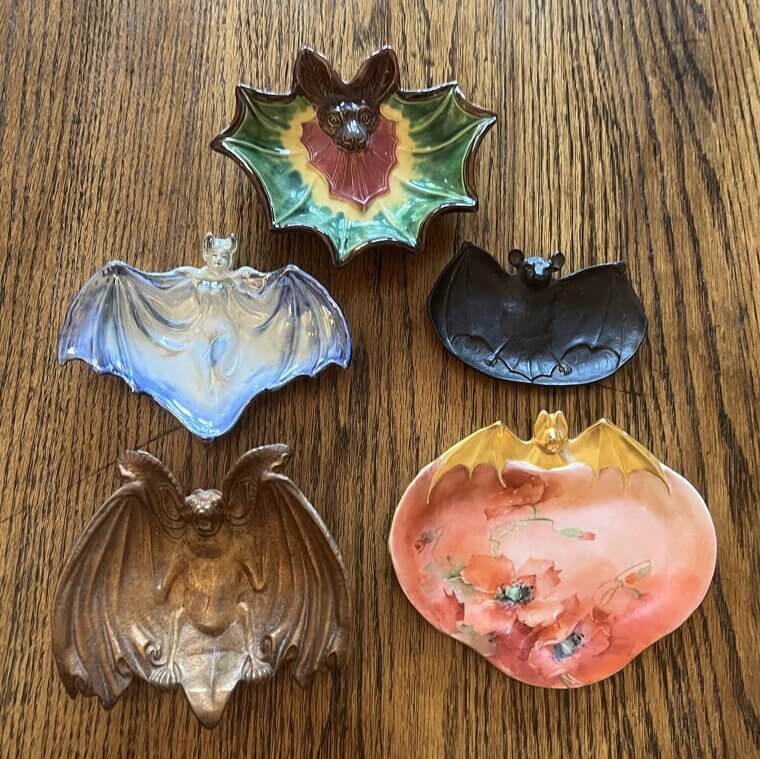
They're small enough to toss in a donation box without a second thought — which is exactly why dealers love estate sales. Check the underside for a maker's mark before you do anything rash.
Vintage Globe on a Wooden Stand
Globes went out of style the moment Google Maps arrived — except the vintage ones kept quietly appreciating. A mid-century Replogle or Weber Costello globe on a turned wooden stand can fetch $300 to $800 at auction, sometimes more if the cartography predates a major geopolitical shift. The ones showing the USSR intact or a pre-1975 Vietnam are basically history frozen in lacquered paper.
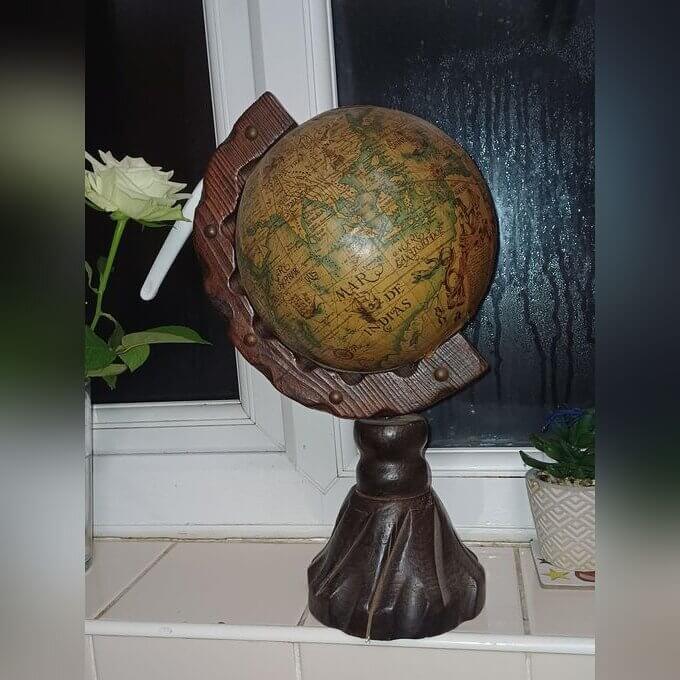
Dealers call the pre-1960 ones 'political globes' because the borders tell you exactly when it was made. That specificity is exactly what drives the price up. Next slide hits different.
Transferware Plates From England
Josiah Spode figured out how to transfer printed designs onto pottery in the 1780s, and English factories ran with it for the next century — flooding American homes with those iconic blue-and-white scenic plates. A complete 12-piece Spode Blue Italian dinner service sells for $800 to $2,000 today. Single platters from the early 1800s? Routinely hitting $300 to $500 each at auction, especially the larger meat dishes.
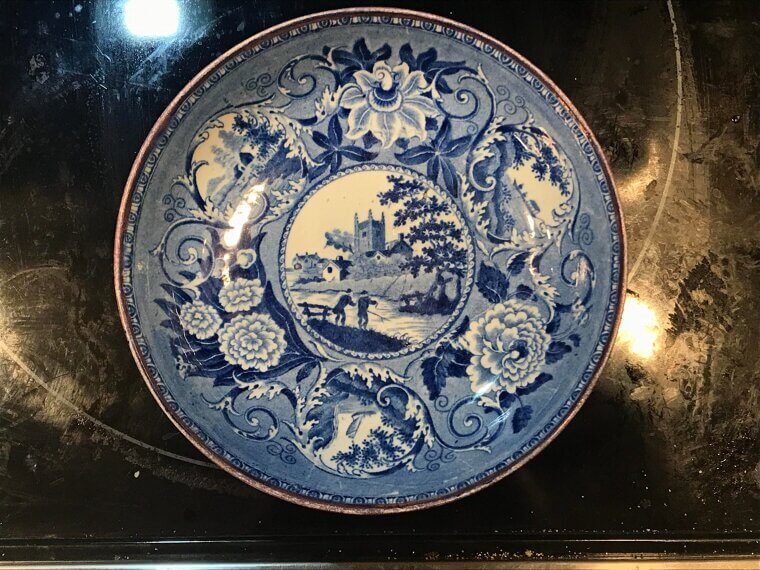
That stack of mismatched blue plates your aunt called 'just the everyday china' is doing a lot of financial heavy lifting right now. Check the backstamp — if it says 'Staffordshire' or 'Spode,' sit down before you Google it.
Antique Mirrors With Beveled Glass
Beveled glass wasn't cheap to produce — the grinding and polishing process was entirely done by hand before the 1920s, which is exactly why mirrors made before that era carry serious price tags today. A Victorian-era beveled mirror in an ornate gilt frame regularly sells between $800 and $4,000 at auction. The telltale sign you've got the real thing: slight distortion when you tilt your reflection.
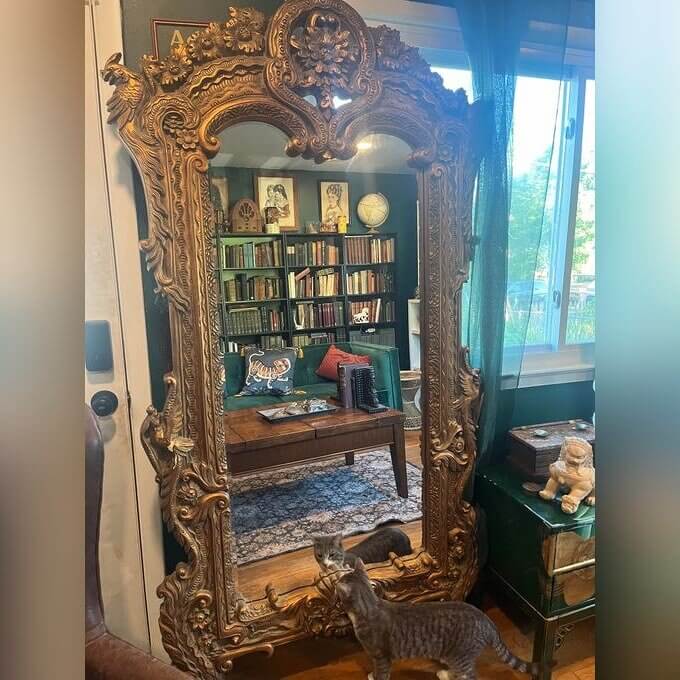
That dark, slightly smoky tint on old mirror glass isn't damage — it's silver oxidation, and collectors actually pay more for it. Check the back for a paper or wood backing instead of cardboard.
Ironstone Pitchers in White
Ironstone pitchers look like plain white ceramic — and that's exactly why people keep donating them for $2 at yard sales. Bad move. A single mid-1800s Mason's Ironstone pitcher in good condition regularly fetches $150 to $400, and rarer transfer-printed examples have cleared $800 at auction. The giveaway is the maker's mark on the base: look for 'Mason's Patent Ironstone China' stamped in blue.
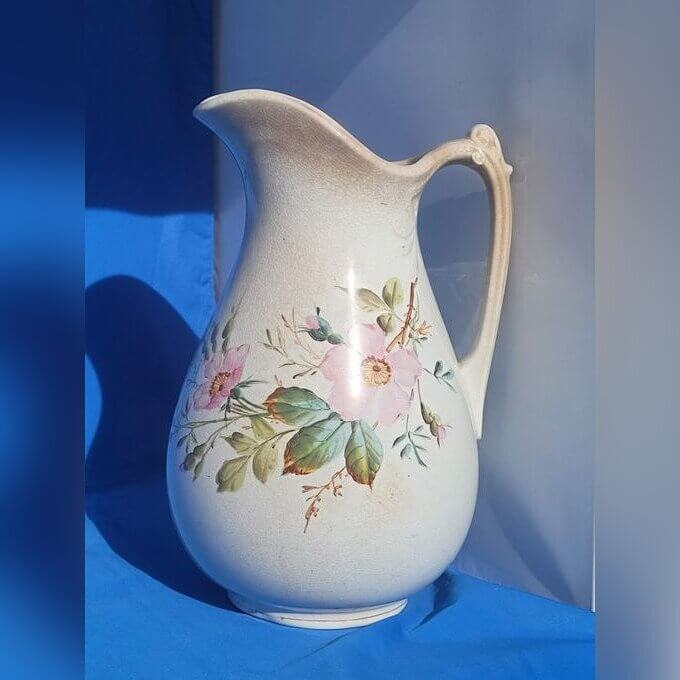
That 'boring white jug' on grandma's shelf? Probably worth more than the shelf. Look for 'Mason's Patent Ironstone China' stamped in blue on the base — the next piece on this list has an even sneakier mark to find.
Vintage Sewing Boxes and Thimbles
A complete Victorian sewing box — fitted interior, original silk lining intact, brass fittings unpolished — sold at a 2022 Skinner auction for $1,400. That's before you count the thimbles. Solid gold thimbles from the 1880s routinely fetch $300–$800 each, and a rare Simons Brothers sterling set once cleared $2,600. The boring-looking tin in grandma's sewing room? Might not be so boring.
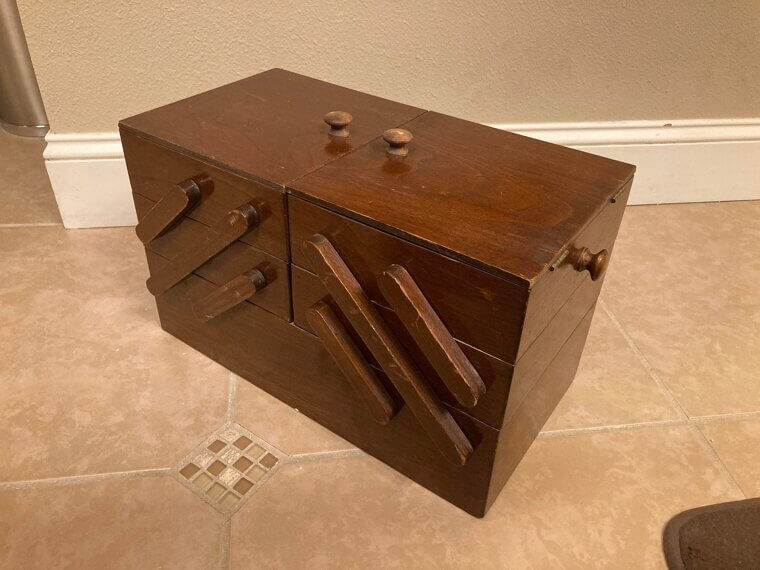
Collectors aren't buying the nostalgia — they're buying the completeness. A box missing its original tray drops 60% in value instantly. Check whether yours still has every tray, needle case, and thread winder before you price it.
Porcelain Figurines From Germany
Meissen didn't just make figurines — they invented European hard-paste porcelain in 1710, and every German competitor spent the next century trying to steal the recipe. A single 18th-century Meissen shepherd or courting couple can fetch $8,000 to $40,000 at auction. The crossed-swords mark on the base is what separates a nice shelf decoration from a mortgage payment.
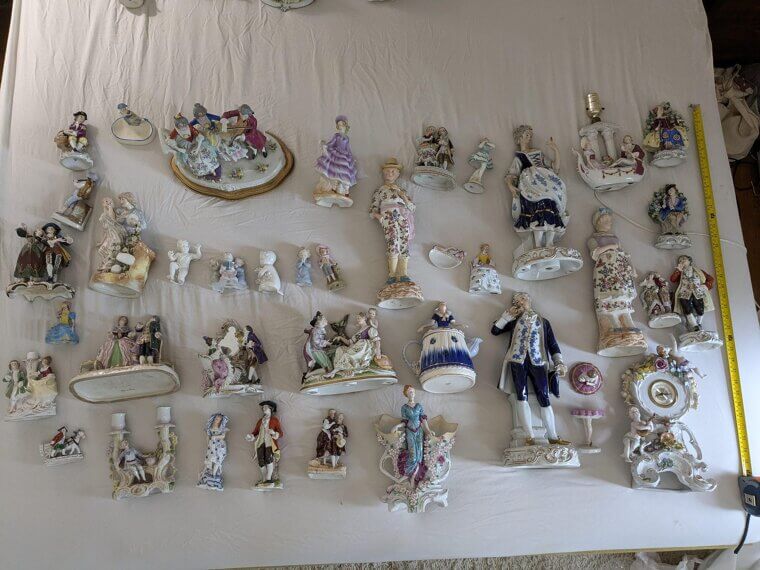
Hummel figures from the 1930s and 40s are quietly hitting $500 to $2,000 each right now. Flip yours over and check for the bee mark — the older the bee, the bigger the number.
Antique Brass Fireplace Tools
A full set of antique brass fireplace tools — poker, tongs, brush, shovel, and stand — sold at a 2022 Christie's estate auction for $3,400. Not because they're rare. Because they're *complete*. Lose one piece and you've basically halved the value. The stand alone determines the era: cabriole legs mean Georgian, straight cylindrical means Victorian, and buyers absolutely know the difference.
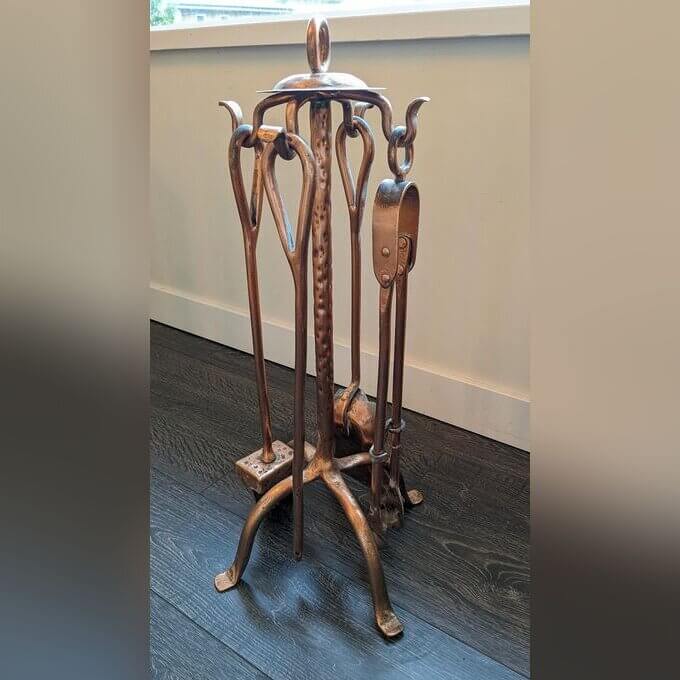
That tarnished set collecting dust by your sealed-up fireplace? A matching five-piece in original condition is exactly what decorators are hunting right now. Check the base of each tool for a maker's mark before you do anything.
Vintage Hatboxes and Millinery Stands
Hatboxes were basically the luggage of the 1800s — women traveled with stacks of them, each protecting a hat worth more than a week's wages. A matched set of Victorian millinery stands and striped bandboxes from the 1860s–1880s can fetch $400 to $1,200 at auction today. The lithographed paper ones with intact original lids are the real score. Condition is everything, and most people store junk in theirs.
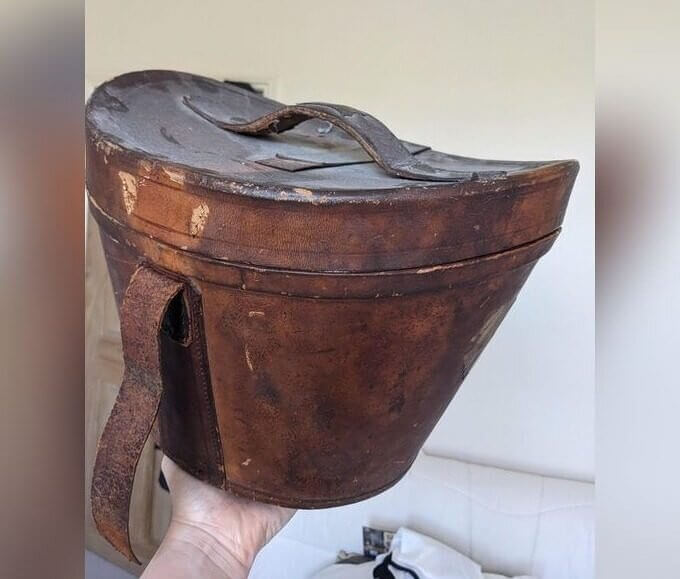
If yours is sitting in a closet holding Christmas ornaments and a broken umbrella, you might want to dig it out and actually look at it. Next up is something hiding in almost every kitchen.
Painted Toleware Trays and Canisters
Painted toleware — those lacquered tin trays and canisters decorated with flowers, fruit, and folk-art motifs — was basically the 18th century's version of mass-market home décor. But a signed piece by a documented Pennsylvania or Connecticut craftsman? That's a different story. A single early 19th-century tray in original paint sold at Pook & Pook auction for $4,800 in 2022. The key word there: *original paint*. Repainting kills the value completely.
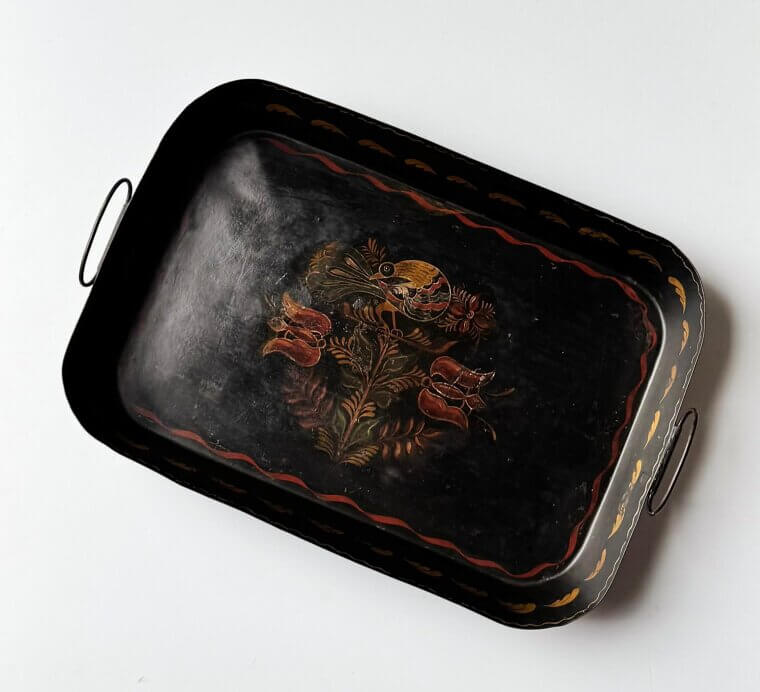
That cheerful red canister your aunt used for flour? If the paint's untouched and it predates 1850, it's not kitchenware — it's a collectible. Next slide might make you rethink your entire kitchen shelf.
Grandfather Clocks in the Hallway
A working grandfather clock by Seth Thomas or Howard Miller can fetch $3,000 to $20,000 at auction — and the ones collecting dust in hallways are often the most valuable. Buyers specifically hunt for original brass movements, intact pendulums, and unrestored cases. The second someone refinishes that walnut cabinet to 'freshen it up,' they've just torched a significant chunk of the resale price.
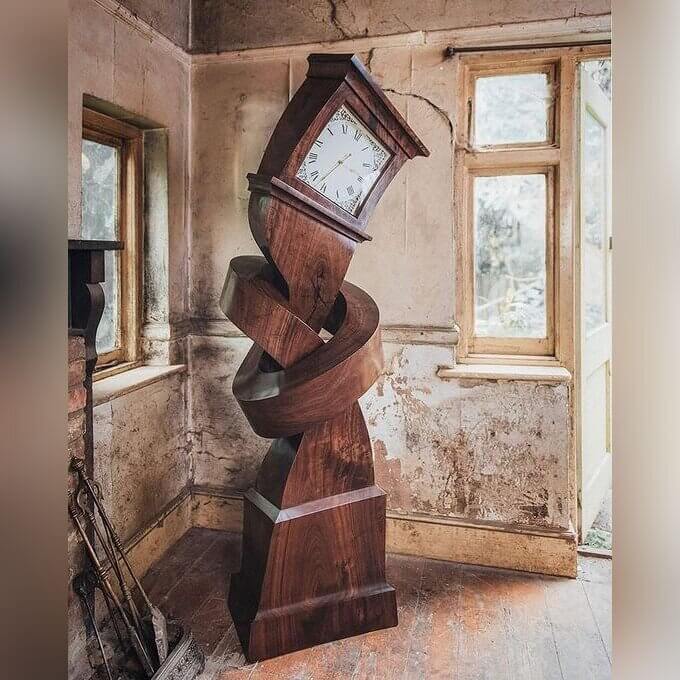
That ticking you've been tuning out for thirty years? Turns out it's been counting down to a payday. The next slide covers something people box up and donate without a second glance — and they really shouldn't.
Sterling Silver Serving Spoons
A set of sterling silver serving spoons — the kind your grandmother wrapped in felt and never let anyone actually use — can fetch $400 to $1,200 at auction depending on the maker's mark. Look for a lion passant stamp (British) or "925" for American pieces. Tiffany & Co. flatware from the 1880s regularly clears $2,000 per set. The ugly duckling of the silverware drawer is secretly the star.
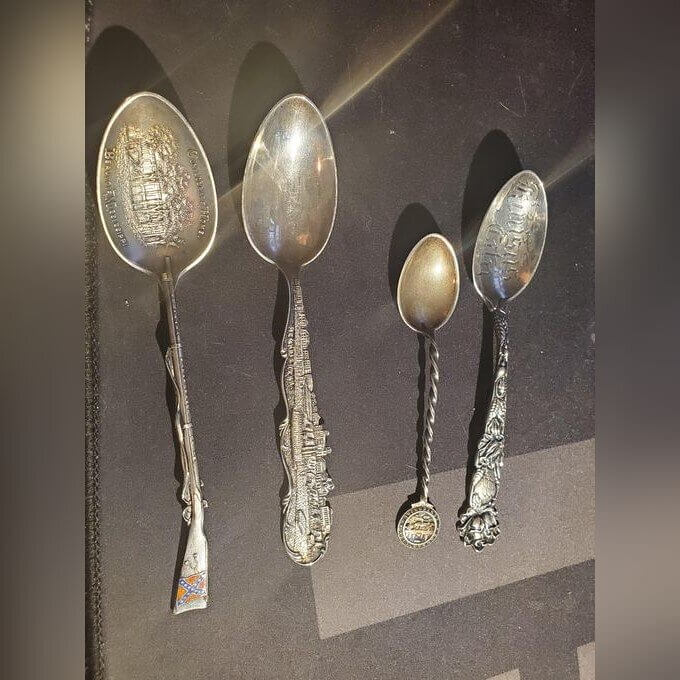
That tiny hallmark on the back is the difference between a thrift store bin and a serious payday. Check before you donate — next up might make you rethink your attic entirely.
Vintage Chenille Bedspreads
Grandma's lumpy bedspread with the little tufted pom-poms? Collectors are paying $200–$600 for pristine examples, and the really special ones — think peacock designs or cabin-scene patterns from the 1930s and '40s — have cleared $1,000 on eBay. The chenille revival isn't nostalgia-driven kitsch. Interior designers are actively hunting these for boutique hotels and high-end vintage bedroom builds.
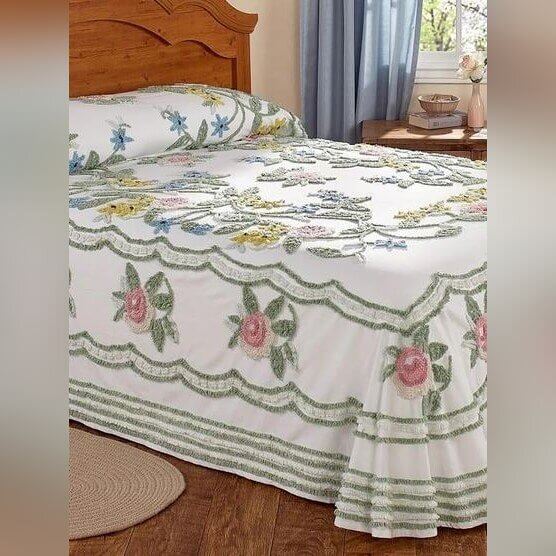
The pom-pom patterns most people tossed in the Goodwill pile are the exact ones fetching top dollar. Check the linen closet before the estate sale crew shows up.
Antique Steamer Trunks and Chests
Louis Vuitton made steamer trunks in the 1800s that now sell for $20,000 to $150,000 at auction — but even non-designer versions are pulling serious numbers. A plain flat-top trunk from the 1880s in clean condition regularly fetches $800 to $2,500. The magic is in the hardware: intact leather straps, original tray inserts, and working locks with their keys can triple a trunk's value overnight.
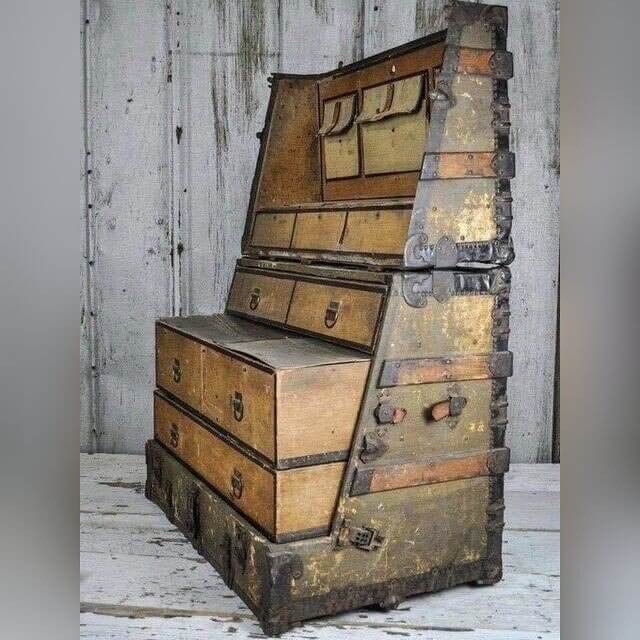
That battered trunk in your attic holding old Halloween costumes? Check the hardware and look for a maker's stamp inside the lid. Some of the ugliest ones on the outside are the most valuable on the inside.
Hand-Blown Art Glass Paperweights
Baccarat made paperweights in the 1840s and 1850s that now routinely sell for $10,000 to $50,000 apiece — for something that sat on a desk holding down letters. The millefiori technique, where hundreds of tiny glass canes are fused into floral patterns, took craftsmen weeks per piece. A single Baccarat 'pansy' weight sold at Christie's in 2019 for $28,750. The signature cane — a tiny 'B' hidden inside the design — is what separates a treasure from a trinket.
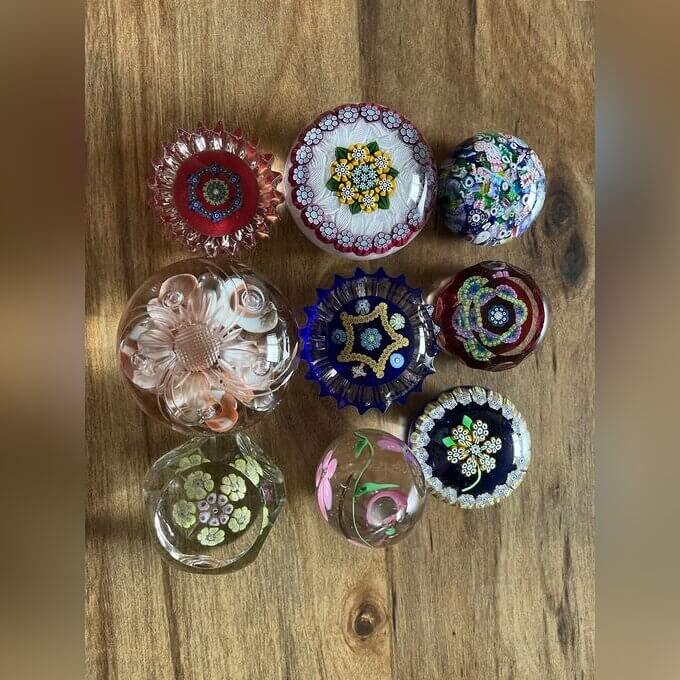
Your grandma's glass 'knickknack' might be a mid-19th century French masterpiece. Flip it over carefully, hold it to the light, and look for that hidden cane. Seriously.
Vintage Botanical Prints in Frames
Etsy sellers are moving framed Victorian botanical prints — the kind your grandmother hung in the hallway — for $200 to $800 a pop, sometimes more if they're original chromolithographs from publications like Curtis's Botanical Magazine, which ran from 1787 to 1983. The real money isn't in the print itself but the age of the printing process. Hand-colored engravings from before 1900 are a completely different animal than a 1970s reproduction.
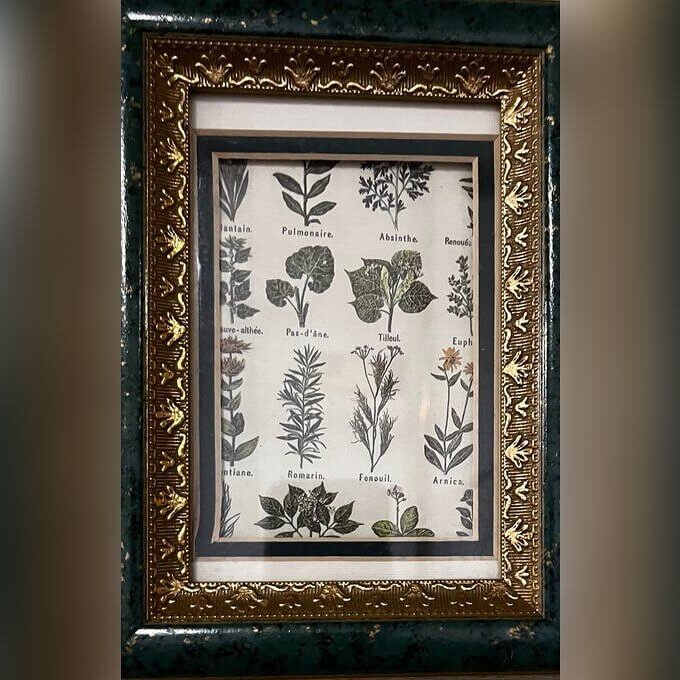
Original prints usually show foxing — those small brown age spots on the paper — and the frame backing will look genuinely old, not artificially distressed. A reproduction has none of that. Slide 38 gets even wilder.
Roseville Pottery Vases and Bowls
Roseville Pottery quietly became one of the most collectible American ceramics lines ever made — and most people inherited a piece without realizing it. The Zanesville, Ohio company ran from 1890 to 1954, and certain patterns like Sunflower, Futura, and Blackberry regularly fetch $800 to $4,000 at auction. The mark on the bottom is everything: an impressed 'Roseville USA' with a shape number means you're holding real money.
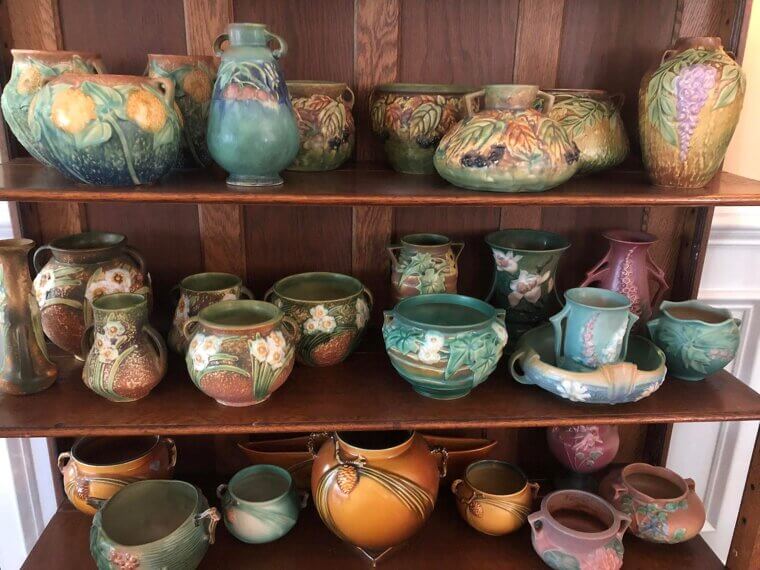
Unmarked pieces still sell, but the fakes are everywhere now — so that raised 'Roseville' script on the bottom isn't the flex collectors once thought it was. Check the mold lines. Slide 39 has another one people constantly throw out.
Antique Cane-Back Parlor Chairs
A matched pair of Victorian cane-back parlor chairs sold at a 2023 Sotheby's auction for $4,200 — and the seller had almost donated them to Goodwill the week before. The caning alone can cost $300 per chair to restore professionally, which is exactly why intact original caning makes collectors go quiet and start doing math in their heads.
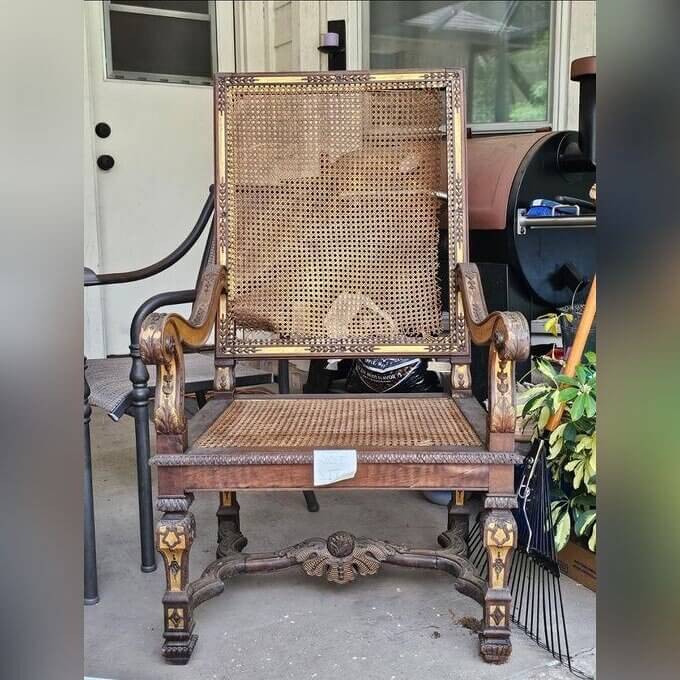
Check the weave pattern before you assume it's just 'old and uncomfortable.' Machine-pressed cane (post-1970s) is worth almost nothing. Hand-woven? Whole different conversation. Slide 40 might be the biggest surprise yet.
Vintage Weathervanes From Old Barns
That rooster spinning on top of your grandfather's barn might be the most valuable thing on the property. A hand-hammered copper weathervane from the mid-1800s — especially in animal forms like horses, cows, or eagles — routinely clears $10,000 to $50,000 at auction. A rare Goddess of Liberty example sold at Sotheby's for $1.1 million in 2006. The older ones have a distinct patina no reproduction can fake.
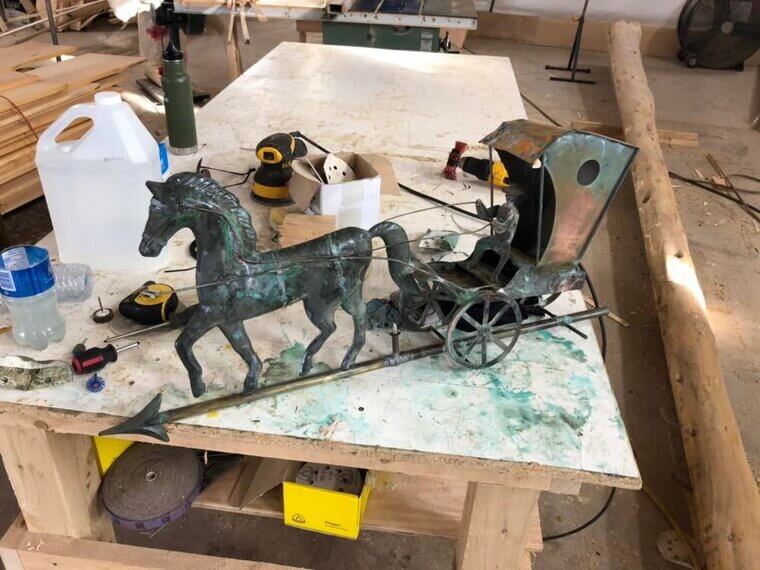
Reproductions flooded the market in the 1980s, so authentication matters enormously here. A real one has seam lines, weight, and age you can feel. Get it appraised before it ends up in a yard sale for $40.