
That glass of orange juice you've been pouring every morning for decades? It might be doing more harm than you think. A lot of breakfast staples that feel wholesome are quietly working against your body after 60 — and some of them will genuinely surprise you. Here are 30 breakfast foods worth reconsidering right now.
Why Your Morning Orange Juice Isn't Innocent
Orange juice was the golden child of breakfast for decades. If you grew up in the '60s or '70s, a cold glass of OJ was practically non-negotiable — right there next to your morning paper. It felt like pure vitamin C in a cup. Here's what nobody talked about: a single eight-ounce glass of orange juice contains roughly 21 grams of sugar, rivaling a candy bar. And unlike eating an actual orange, there's no fiber to slow absorption.
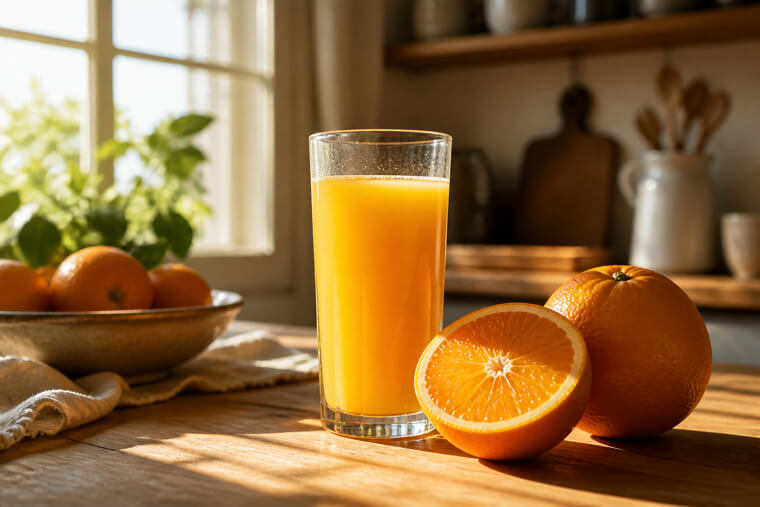
That means your blood sugar spikes fast and crashes hard. After 60, when insulin sensitivity naturally declines, those daily spikes become genuinely risky — fueling inflammation, weight gain, and metabolic trouble. A whole orange gives you the same vitamins with built-in fiber protection. But sugar hiding in your glass isn't the only breakfast betrayal — wait until you see what's lurking in your toast.
White Toast Is Basically Eating Sugar
White toast has been breakfast's most trusted sidekick for generations. It's simple, comforting, and feels completely harmless sitting next to your eggs. But here's what most people don't realize: white bread is made from refined flour that's been stripped of virtually all fiber and nutrients. Your body processes it almost identically to pure table sugar. A single slice can spike blood glucose nearly as fast as a spoonful of the sweet stuff itself.
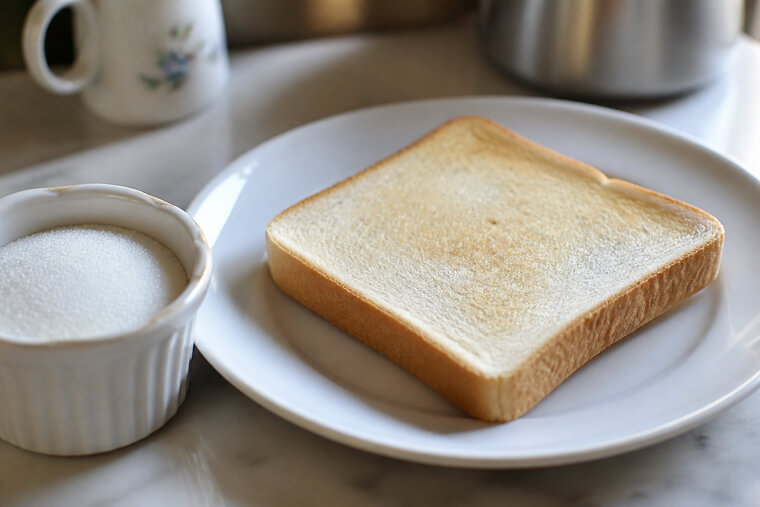
After 60, when managing blood sugar and inflammation becomes critical, that innocent morning toast is quietly working against you every single day. And speaking of foods hiding behind a healthy reputation — that container of strawberry yogurt in your fridge deserves a closer look.
Flavored Yogurt's Dirty Little Sugar Secret
Flavored yogurt feels like one of the smartest choices in the dairy aisle. It's got calcium, it's got probiotics, and that strawberry or vanilla flavor makes it feel like a treat you're allowed to have. Your doctor probably even recommended it. But flip that container of Yoplait Original Strawberry around and you'll find about 18 grams of added sugar in a single serving. Many brands hit 25 grams — which nearly maxes out the entire daily added sugar limit recommended for older adults.
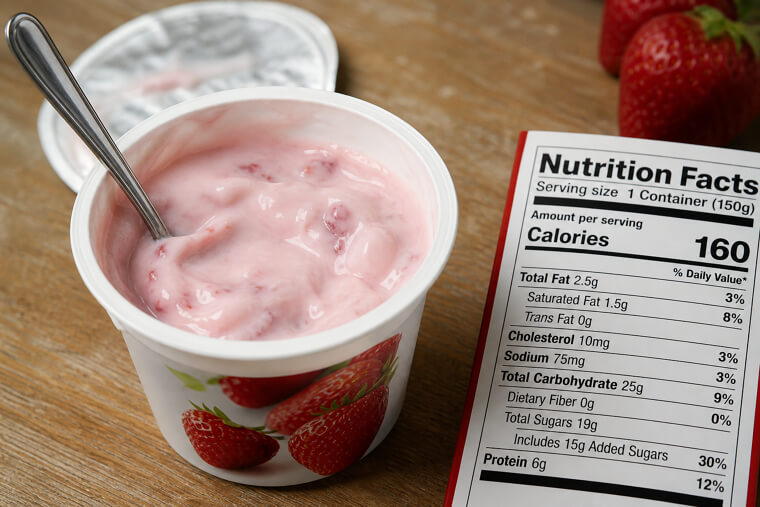
That's dessert-level sweetness wrapped in a health-food disguise. Plain Greek yogurt with fresh berries gives you the same calcium and protein without the sugar ambush. Of course, yogurt isn't the only breakfast "health food" playing tricks on you — those instant oatmeal packets in your pantry have their own confession to make.
Those Instant Oatmeal Packets Are Fooling You
Oatmeal has been synonymous with heart health for decades. Your doctor may have even specifically told you to eat more of it. And plain oatmeal genuinely is a solid choice. But those convenient Quaker Maple & Brown Sugar instant packets? They contain 12 grams of added sugar per serving — and only 3 grams of fiber. You're getting four times more sugar than heart-protective fiber in something you bought specifically to protect your heart.
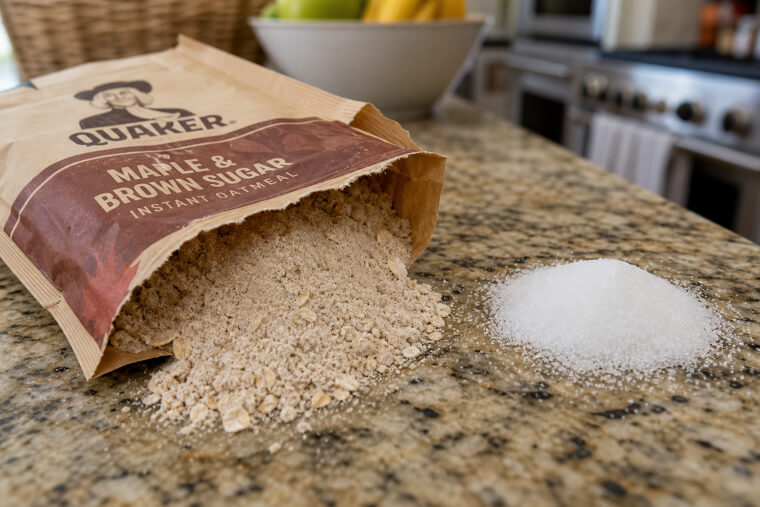
The irony is brutal. Steel-cut or plain rolled oats with cinnamon and fresh fruit give you everything those packets promised without the blood sugar roller coaster. But oatmeal packets aren't the only breakfast staple hiding behind a reputation — bacon's real danger has nothing to do with what you think.
Bacon's Hidden Danger Goes Beyond Fat
You already know bacon is loaded with saturated fat. That's old news. But the real threat for anyone over 60 isn't the grease — it's sodium nitrate. This preservative, used in nearly all commercial bacon brands, has been directly linked to increased colorectal cancer risk and elevated blood pressure. The World Health Organization classifies processed meats like bacon as Group 1 carcinogens — placing them in the exact same category as cigarettes.
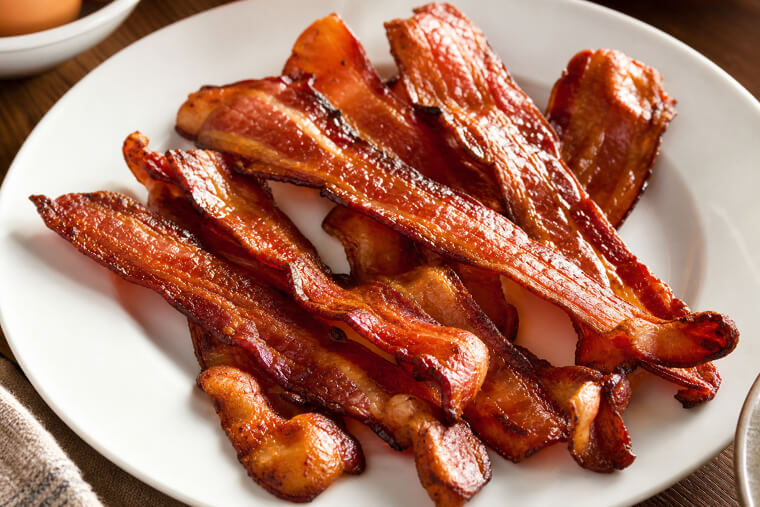
That's not a loose comparison. It's an official scientific classification. For older adults already navigating higher cancer and cardiovascular risks, that daily bacon habit carries consequences most people never signed up for. Next up: a breakfast food with a health halo it absolutely does not deserve.
Commercial Granola Is a Calorie Bomb
Here's something that catches most people off guard: a half-cup of commercial granola — barely enough to cover the bottom of your bowl — packs over 300 calories. That's more than two eggs, two strips of turkey bacon, and a piece of fruit combined. Brands like Nature Valley and Bear Naked achieve that crunchy, addictive texture by baking oats in added oils and coating clusters with sugar. A typical serving contains as much sugar as a chocolate chip cookie.
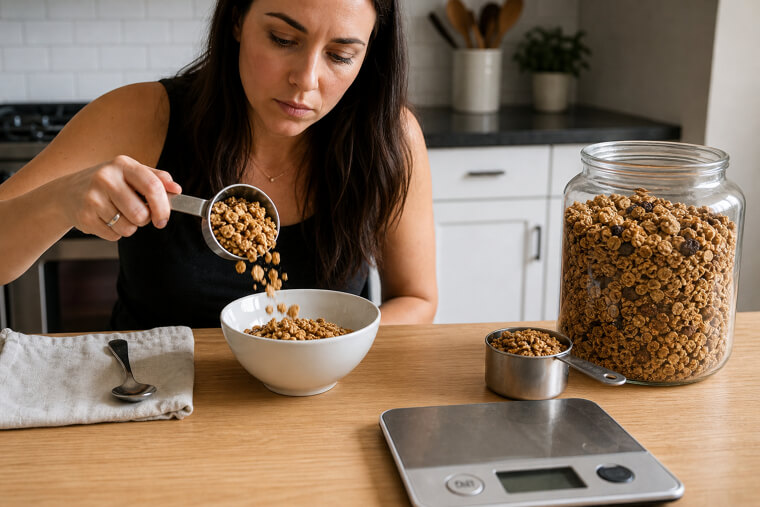
And nobody eats half a cup. Most people pour two or three times that amount, unknowingly consuming 600-900 calories before leaving the kitchen. For older adults trying to maintain a healthy weight, granola might be the single most deceptive item in the pantry. Speaking of deception — wait until you see what's really going on with your margarine.
Margarine Spreads May Hurt Your Heart
For decades, millions of older adults dutifully swapped butter for margarine because their doctors told them to. It seemed like the responsible choice. But many popular margarine brands — including Country Crock and Imperial — are loaded with omega-6-heavy soybean and palm oils that promote chronic inflammation. Worse, FDA labeling rules allow products with up to 0.5 grams of trans fat per serving to print "0g trans fats" on the package. Spread it across your toast twice a day, every day, and those hidden fractions accumulate into real cardiovascular damage over months and years.
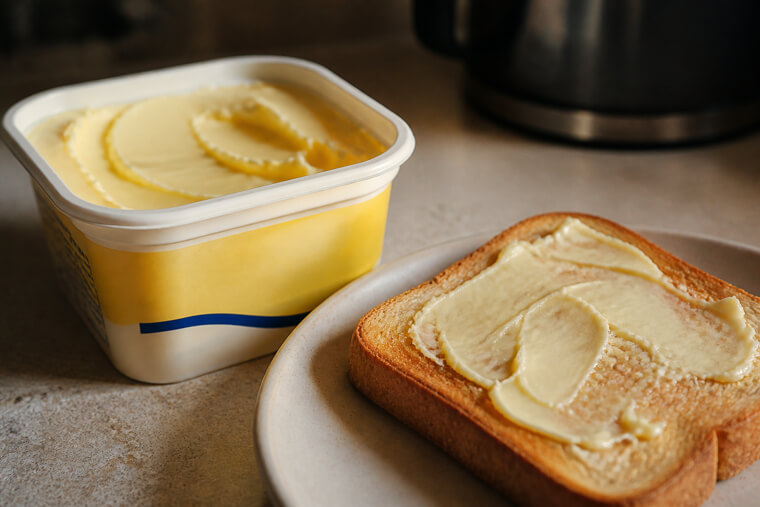
For aging hearts and arteries already under strain, this isn't a minor technicality — it's a compounding risk that flies under the radar of people who believed they were making the safe choice. Up next, a cereal box you've probably had in your pantry since childhood.
Sugary Cereals Didn't Get Healthier Since Childhood
Here's a simple test: grab that box of Frosted Flakes, Froot Loops, or Lucky Charms from your pantry and flip it around. If sugar appears within the first three ingredients, you're essentially pouring candy into a bowl and adding milk. Most of these cereals pack 12-15 grams of sugar per serving — and the "serving" is laughably small. For anyone over 60 managing blood sugar or inflammation, this is an easy fix.
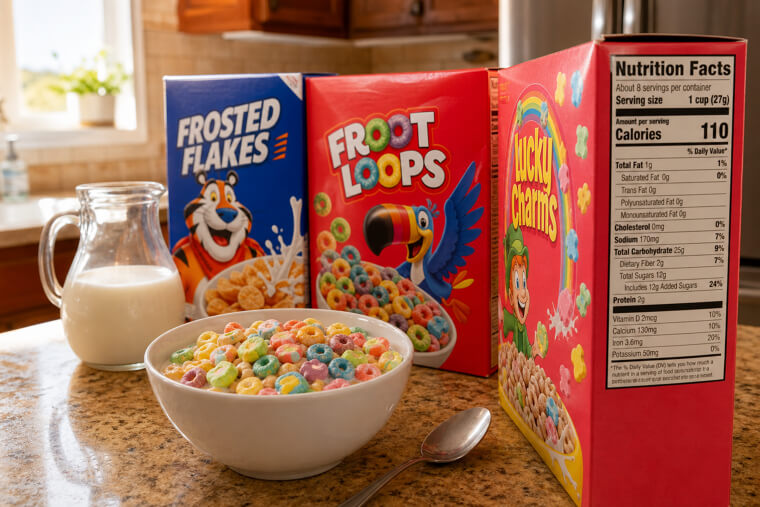
Swap to a cereal with under 5 grams of sugar per serving — brands like plain Cheerios, shredded wheat, or bran flakes get the job done without the glucose roller coaster. It's one of the simplest breakfast upgrades you can make today. But cereal isn't the only thing hiding behind a wholesome reputation — those blueberry muffins are fooling everybody.
Store-Bought Muffins Are Really Just Cake
That blueberry muffin from the grocery store bakery? It's cake. Not metaphorically — literally. A single store-bought blueberry muffin typically contains 400 to 500 calories, over 30 grams of sugar, and almost zero protein. Compare that to a slice of frosted birthday cake, and the nutritional profiles are virtually identical. The only difference is that nobody feels guilty eating a muffin at 7 AM. The oversized portions make it worse. Today's standard muffin is three times the size of what your grandmother would have baked in the 1960s.
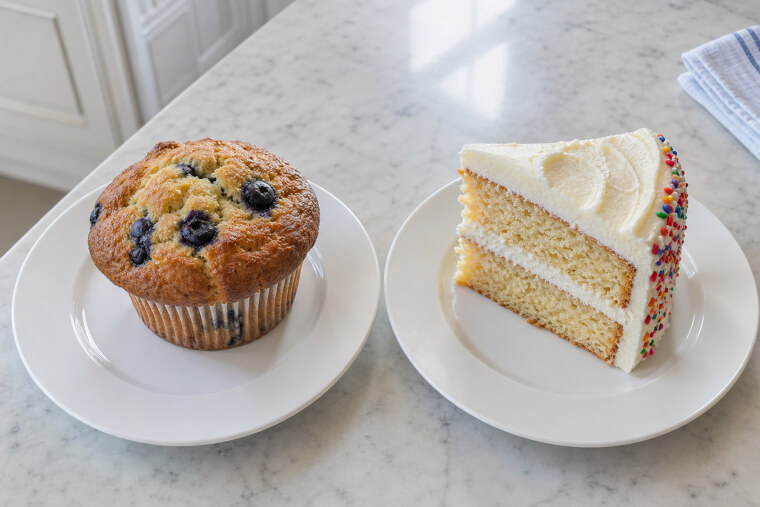
For anyone over 60 managing cholesterol or blood sugar, that innocent-looking muffin is quietly doing real damage before the day even begins. And if muffins surprised you, wait until you see what's lurking inside those breakfast sausage links.
Breakfast Sausage Links Pack Alarming Sodium
Three small breakfast sausage links — the kind from Jimmy Dean or Johnsonville — can contain over 500 milligrams of sodium. That's roughly a quarter of the entire daily recommended limit for adults over 60. Eat them alongside toast and eggs, and you've likely blown past half your sodium budget before 9 AM. Here's why that matters: hypertension affects more than 70 percent of Americans over 65. Every extra milligram of sodium pushes blood pressure slightly higher, stiffens arterial walls slightly more, and increases stroke risk by a measurable degree.

Day after day, year after year, that "small" breakfast side dish is doing cumulative damage that no single doctor's visit will catch in time. Speaking of things quietly adding up — have you looked at what's actually in your flavored coffee creamer?
Flavored Coffee Creamers Add Up Fast
French Vanilla. Hazelnut. Peppermint Mocha. That splash of flavored creamer feels harmless — it's just coffee, right? But here's the math: three tablespoons a day, every day, adds up to over 15 pounds of sugar per year. That's thousands of empty calories flowing into your body through something you barely think about. Brands like Coffee-Mate and International Delight pack corn syrup, hydrogenated oils, and artificial flavors into every pour.
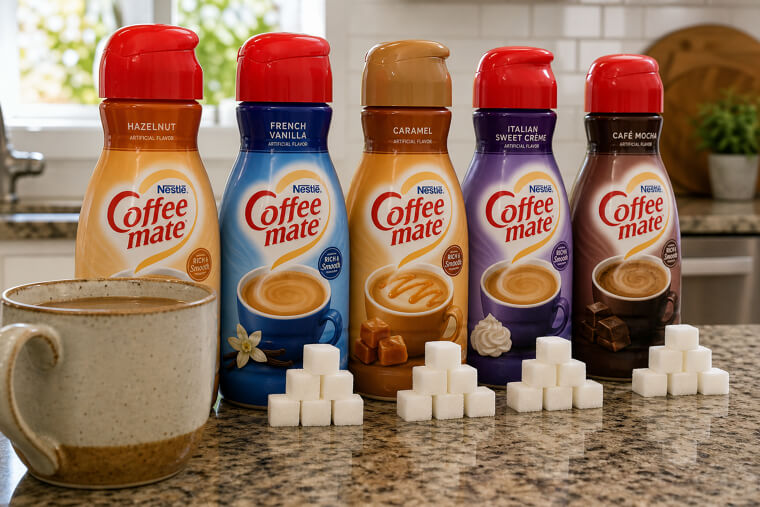
The fix is painless. Switch to a splash of half-and-half or unsweetened oat milk. You keep the creaminess, lose the sugar avalanche, and save your body from a quiet daily assault. Now, about those frozen pancakes sitting in your freezer — what researchers are finding about ultra-processed foods and cognitive decline is genuinely alarming.
Frozen Pancakes Are Ultra-Processed Trouble
Nutrition researchers classify Eggo and Krusteaz frozen pancakes as ultra-processed foods — a category that a landmark 2022 study in the journal Neurology linked to measurably faster cognitive decline in older adults. Flip the package over and you'll find sodium aluminum phosphate, degassed soybean oil, and various emulsifiers that gut health scientists are increasingly flagging as disruptors of the intestinal microbiome. Here's what insiders know: your gut microbiome directly communicates with your brain through the vagus nerve. When emulsifiers damage the gut lining, that communication suffers.
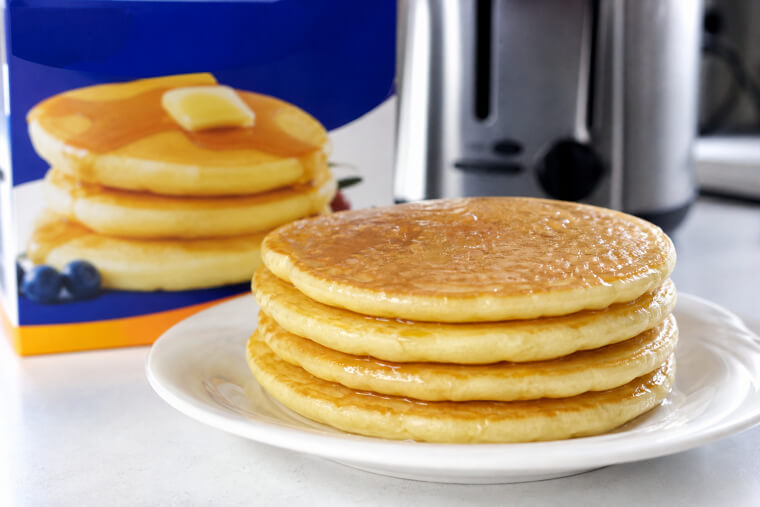
For anyone over 60 trying to protect their memory and mental sharpness, a daily frozen pancake habit isn't just empty nutrition — it's potentially accelerating the very decline they fear most. And speaking of breakfasts that look comforting but hit dangerously hard, let's talk about biscuits and gravy.
Biscuits and Gravy Will Wreck Your Morning
Here's a number that should stop you mid-bite: a single order of biscuits and gravy at Bob Evans delivers 810 calories, 50 grams of fat, and over 2,000 milligrams of sodium. That's nearly your entire day's sodium allowance consumed before you've left the restaurant. At Cracker Barrel, the numbers are even worse. The sausage gravy alone — just the gravy — contains enough saturated fat to exceed what the American Heart Association recommends for an entire day.
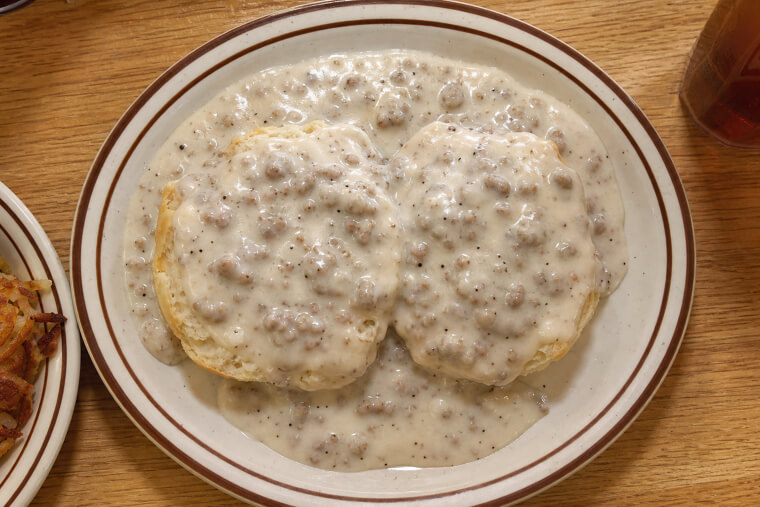
For anyone over 60 managing blood pressure or cholesterol, this Southern comfort classic isn't just indulgent. It's genuinely one of the most cardiovascular-dangerous single plates on any breakfast menu in America. But danger doesn't always look so obvious — sometimes it comes disguised as a vibrant, Instagram-worthy acai bowl.
Acai Bowls Are a Beautiful Sugar Trap
Acai bowls might be the most photogenic lie in modern nutrition. Those gorgeous purple bowls topped with sliced bananas, coconut flakes, and drizzled honey look like wellness incarnate on Instagram. But a typical acai bowl from Jamba Juice or your local smoothie shop contains 50 to 80 grams of sugar — more than two cans of Coca-Cola combined. The acai berry itself isn't the problem. It's everything built around it: fruit juice bases, sweetened purees, honey, and sugar-loaded granola piled on top.
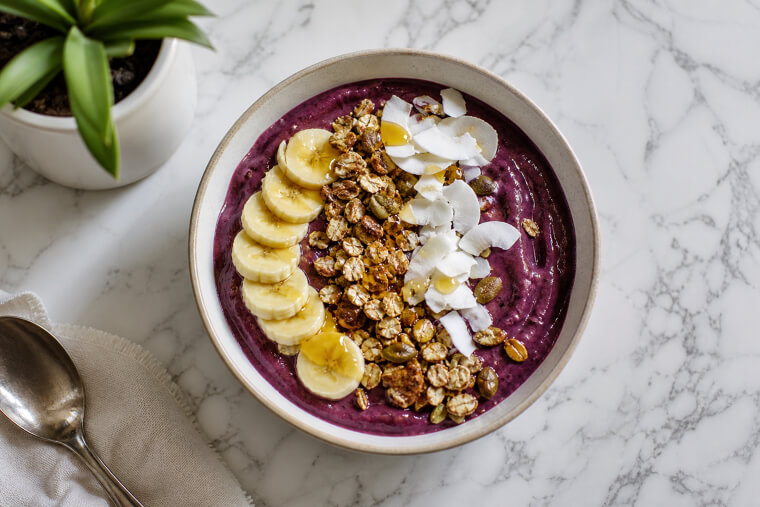
For older adults lured by antioxidant promises, the tradeoff is brutal — massive blood sugar spikes that overwhelm aging insulin response. The health halo makes it worse, because people feel virtuous eating one. Speaking of misleading health halos, those "diet" breakfast bars in your pantry deserve a hard look.
Diet Breakfast Bars Barely Qualify As Food
Special K Protein Bars and Fiber One bars sit in your pantry looking responsible, but flip them over. You'll find sugar alcohols like sorbitol and maltitol that cause digestive distress, artificial sweeteners, and a measly 4 to 6 grams of protein — nowhere near enough to protect the muscle mass you're steadily losing after 60. These bars are engineered to taste like dessert while wearing a lab coat.
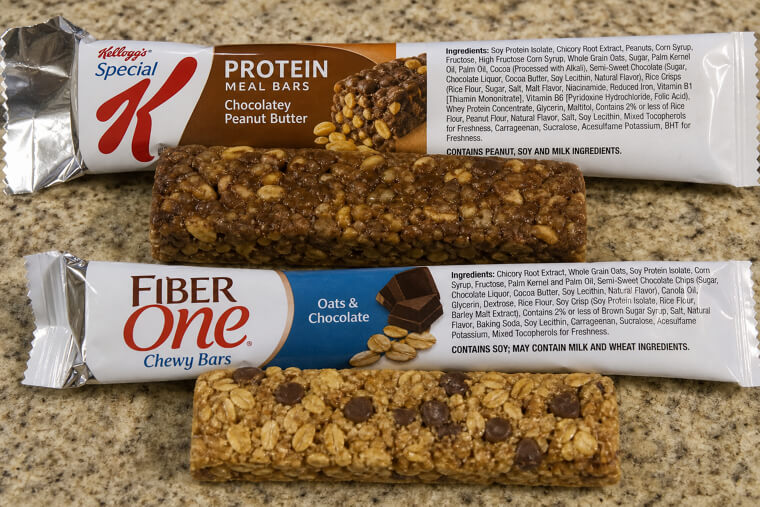
Here's your shopping cheat sheet: look for bars with at least 10 grams of protein, under 8 grams of sugar, and an ingredient list short enough to read without your glasses. RXBars and Aloha bars both pass the test. Next up — a pantry staple that's pretending to be fruit.
Canned Fruit Cocktail Isn't Real Fruit
That can of Del Monte Fruit Cocktail sitting in your pantry feels like a shortcut to nutrition. Scoop some over cottage cheese, sprinkle it on cereal — you're eating fruit, right? Not exactly. Most canned fruit cocktails are swimming in heavy syrup loaded with high-fructose corn syrup. A single half-cup serving contains around 18 grams of sugar, and the extended processing strips away much of the vitamin C and fiber that made the fruit valuable in the first place.
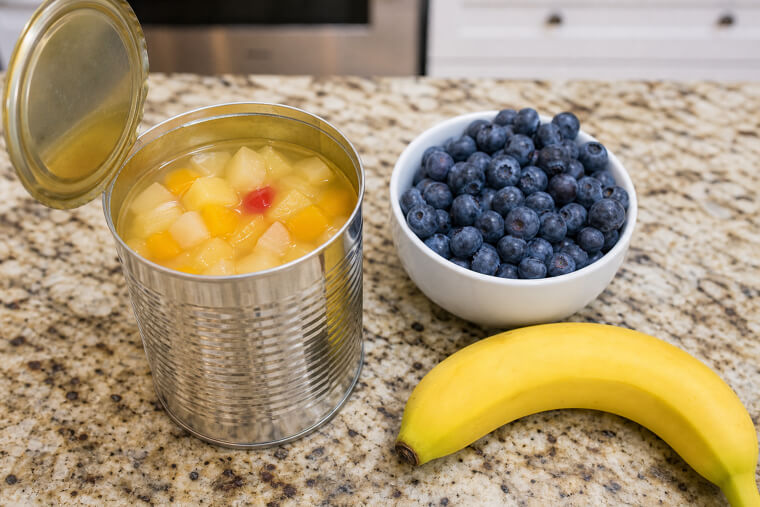
Meanwhile, a fresh banana or a handful of blueberries delivers more potassium, more antioxidants, and more fiber for a fraction of the sugar impact. For older adults whose blood sugar regulation is already compromised, that syrupy shortcut quietly does real metabolic damage morning after morning. And speaking of carb loads hiding in plain sight — wait until you see what a single bagel is actually equivalent to.
Bagels Have the Carb Load of Five Bread Slices
Here's what nutritionists wish their older patients understood about bagels: a standard New York-style deli bagel contains 55 to 70 grams of carbohydrates. That's the equivalent of four to five slices of white bread stacked up, consumed in one sitting. Your body doesn't care that it's a single food item — it processes that entire carb load at once, triggering a massive glucose surge. With nearly half of Americans over 65 living with type 2 diabetes or pre-diabetes, that spike isn't just uncomfortable. It's clinically dangerous.
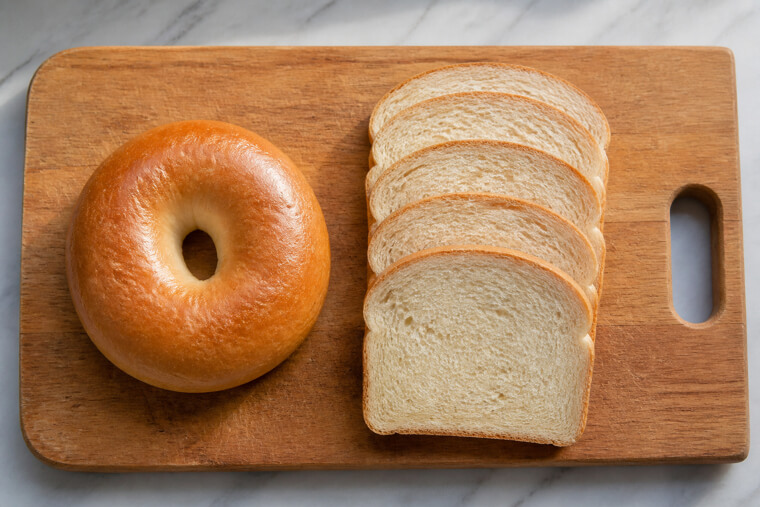
Even "whole wheat" bagels barely soften the blow — they typically shave off only 5 to 8 grams of carbs while adding minimal fiber. If you love bagels, scoop out the inside or switch to thin-sliced varieties that cut the load in half. Now, about those flaky packaged croissants — there's something hiding in their ingredient list that the label legally conceals.
Packaged Croissants Hide Dangerous Trans Fats
Here's what food scientists want you to know about Pillsbury Crescent Rolls and similar packaged croissant doughs: they often contain partially hydrogenated oils, the primary industrial source of trans fats. The FDA restricted these oils, but here's the loophole — if a serving contains under 0.5 grams of trans fat, manufacturers can legally print "0g" on the label. That's not zero. That's a rounding trick. When you're 65 and eating two or three crescent rolls at breakfast, you're accumulating trans fat exposure that never shows up on the nutrition panel.
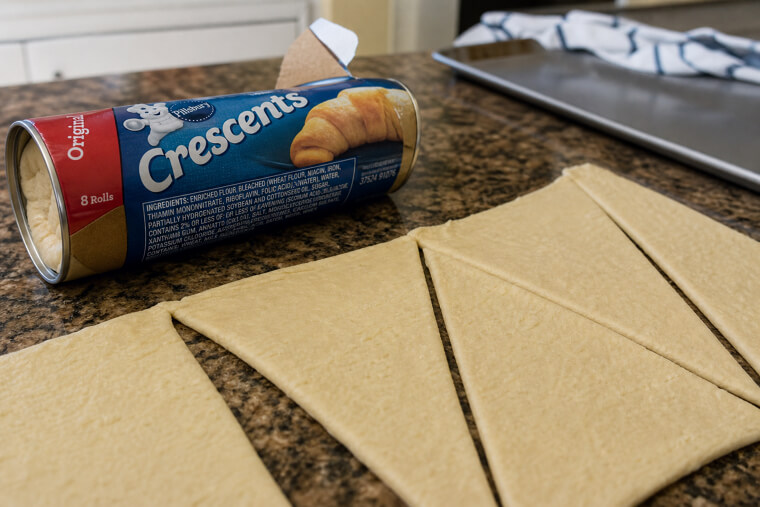
Over months and years, even small amounts damage arterial walls, raise LDL cholesterol, and lower protective HDL — effects that compound dangerously in aging cardiovascular systems. Always check the ingredient list for "partially hydrogenated" anything. Next, a topping that sounds wholesome is secretly as sugary as candy.
Sweetened Dried Cranberries Aren't a Health Food
Here's the shocker: a quarter-cup of Ocean Spray Craisins contains 29 grams of sugar. That's nearly identical to a handful of Haribo gummy bears. These sweetened dried cranberries show up everywhere — scattered over morning oatmeal, mixed into yogurt parfaits, tossed into trail mix — wearing the disguise of a superfood. Natural cranberries are genuinely beneficial, packed with antioxidants and anti-inflammatory compounds. But the drying and sweetening process buries them under so much added sugar that your body responds the same way it would to candy.
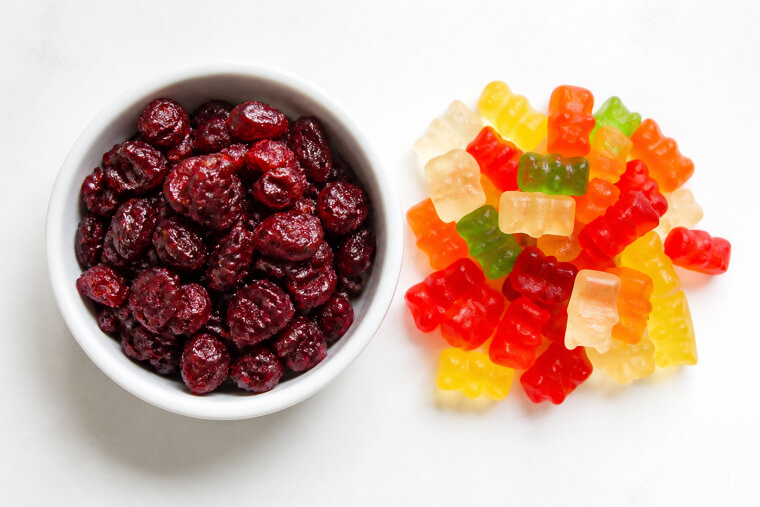
For older adults carefully managing blood sugar or inflammation, Craisins quietly sabotage the very meals they're trying to make healthier. Try fresh blueberries or unsweetened freeze-dried cranberries instead — real antioxidant power without the sugar ambush. Speaking of ambushes, those convenient fast-food breakfast wraps are hiding sodium levels that might genuinely alarm you.
Breakfast Wraps From Fast Food Are Sodium Disasters
Next time you're in a drive-through line, pull out your phone first. A McDonald's Sausage Burrito packs over 800mg of sodium in one handheld wrap. A Sonic Breakfast Burrito blows past 1,200mg — that's more than half the daily limit recommended for adults over 60 with blood pressure concerns. Every major chain publishes a nutrition PDF on their website. Bookmark it. Before you order, search for sodium content — you'll often find that an Egg McMuffin at 770mg is
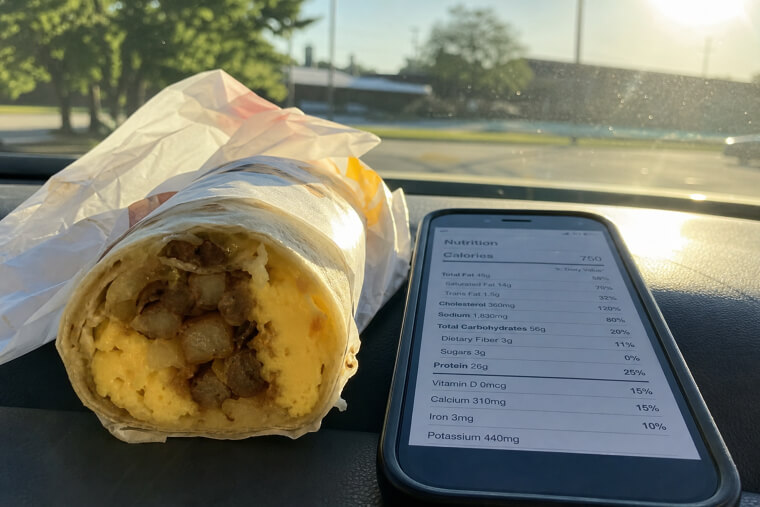
a significantly safer pick than any wrapped option on the same menu. Two minutes of research in the parking lot protects your heart all day. But fast food isn't the only grab-and-go option deceiving you — those "healthy" bottled smoothies in the cooler section carry their own hidden danger.
Premade Smoothies Are Liquid Sugar Rushes
That Naked Green Machine smoothie in the refrigerator case looks like pure health — spinach, kiwi, mango, all blended up with good intentions. But flip the bottle around: 53 grams of sugar. That's more than a Snickers bar. And here's why that matters so much after 60. When fruit is blended and bottled commercially, its cellular fiber structure is destroyed. Whole fruit releases sugar slowly because fiber creates a physical barrier during digestion. Remove that barrier, and fructose floods your bloodstream almost as fast as soda.
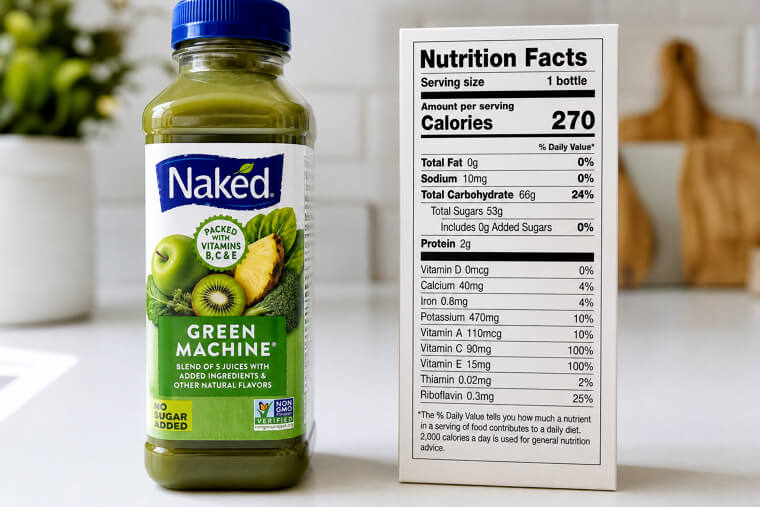
For older adults whose pancreatic beta cells are already producing less insulin and whose cells respond to it more sluggishly, this rapid sugar load creates dangerous glucose spikes that whole fruit simply wouldn't. Blend your own smoothies at home with whole ingredients and added protein instead. Up next — a bakery favorite that people consistently underestimate.
Scones Are Sneakier Than You Think
Most people walk past the donut case feeling virtuous and grab a scone instead. Big mistake. A single Starbucks blueberry scone delivers 470 calories and 18 grams of fat — and that's before you spread anything on it. For comparison, a Krispy Kreme original glazed donut contains 190 calories and 11 grams of fat. The scone is genuinely the worse choice, and it's not even close. That dense, crumbly texture people associate with wholesome baking comes from massive amounts of butter and refined flour packed into every bite.
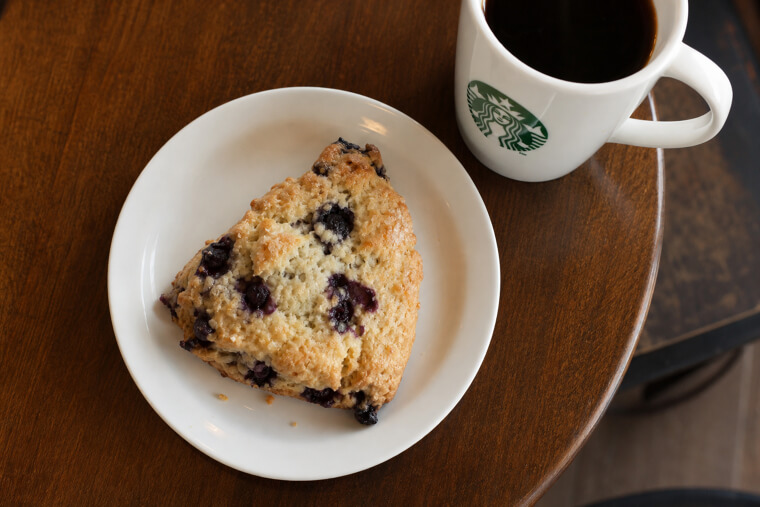
For anyone over 60 watching their cholesterol or waistline, pairing a scone with a morning latte can quietly deliver half a day's calories before 9 AM. It's the breakfast equivalent of a wolf in sheep's clothing. And speaking of zero-nutrition pastries that have somehow earned a permanent spot at the breakfast table — let's talk about cheese danishes.
Cheese Danishes Deliver Zero Nutritional Value
Nutritionists call the cheese danish a "triple void" — refined white flour, sugar, and cream cheese filling that together deliver virtually zero fiber, negligible protein, and no meaningful vitamins or minerals. A typical bakery cheese danish contains around 350 calories, and almost none of them do anything useful for your body. Here's why that matters more after 60: your calorie budget shrinks as metabolism slows, but your nutrient needs actually increase. You need more protein to prevent muscle wasting, more calcium and vitamin D for bone density, more B vitamins for cognitive function.

Every meal slot becomes precious real estate. A cheese danish doesn't just fail to help — it actively displaces the nutrient-dense foods your body is counting on. It's a breakfast that takes up space while giving nothing back. But what about a Southern breakfast staple that actually has potential — if you stop preparing it the old-fashioned way?
Grits Loaded With Butter Need a Makeover
Here's the good news: you don't have to quit grits. A bowl of plain stone-ground grits is actually reasonable — around 150 calories with some iron and B vitamins. The problem is how most kitchens prepare them. A traditional restaurant serving drowns grits in butter and salt, adding 300-plus calories of saturated fat and 700mg of sodium to an already carb-heavy base. That combination hits your arteries and blood pressure simultaneously.

Try this makeover instead: cook your grits with low-sodium broth for flavor, drizzle olive oil on top, add a poached egg for protein, and finish with nutritional yeast for a savory, cheesy taste without the dairy. Same comfort, completely different health profile. Now, about that slice of coffee cake sitting next to the office pot — it's worse than you'd guess.
Coffee Cake Belongs at Dessert, Not Breakfast
A standard slice of Entenmann's coffee cake contains around 400 calories and up to 40 grams of sugar — roughly the same as a full-sized Snickers bar. That alone is concerning, but here's what makes it genuinely risky for anyone over 60: most people eat coffee cake with coffee. That simultaneous hit of caffeine and glucose creates a double cardiovascular spike, raising both heart rate and blood sugar at the same time. For older adults with arrhythmia risks or undiagnosed heart rhythm irregularities, this combination puts real strain on an already vulnerable system.

Coffee cake isn't breakfast. It's dessert that somehow got a permanent morning pass because of its name. Your heart doesn't care what you call it — it only registers the stress. Speaking of things hiding in plain sight on your breakfast table, that little jar of jam deserves a much harder look.
Jam and Jelly Are Pure Added Sugar
That jar of Smucker's strawberry jam on your table? Two tablespoons contain 12 grams of added sugar — and most people spread far more than that. Commercial jams list sugar as the first or second ingredient, meaning you're essentially spooning fruit-flavored sugar onto your toast. After 60, those invisible grams add up fast, feeding inflammation and blood sugar instability with every bite. The fix is genuinely simple. Mash half a handful of fresh raspberries or strawberries with a fork — you get the same sweet, spreadable texture with natural fiber and actual vitamins.
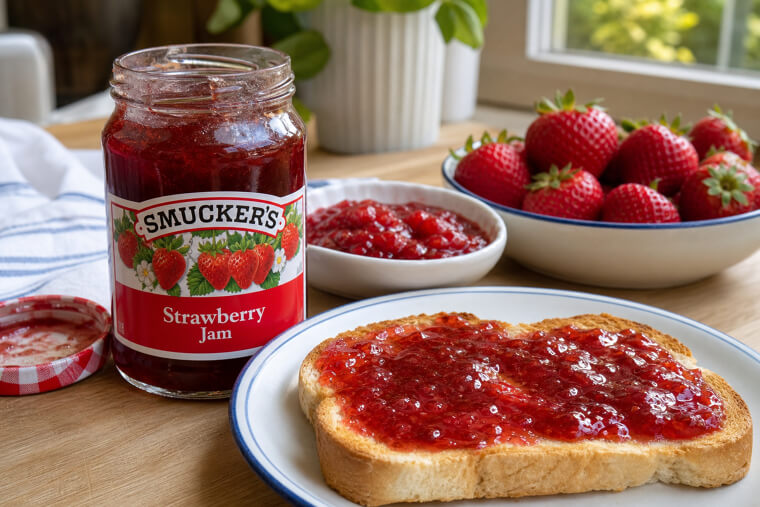
If fresh fruit isn't handy, look for all-fruit spreads like Polaner All Fruit or St. Dalfour, which use only fruit juice for sweetness and skip added sugar entirely. Same jar, same ritual, dramatically different impact on your body. Up next: those crispy hash browns might seem harmless, but the oil they're cooked in tells a different story.
Hash Browns Cooked in Seed Oils Fuel Inflammation
Here's what nutritionists and functional medicine doctors know that most diners don't: those crispy hash browns at your favorite breakfast spot are almost certainly fried in refined soybean or canola oil. These highly processed seed oils are loaded with omega-6 fatty acids, which emerging research from institutions like the University of Missouri links to elevated inflammatory markers in the body. For older adults already managing arthritis, joint stiffness, or chronic pain, that golden-brown side dish may be actively worsening their symptoms every single morning.

Frozen hash brown brands like Ore-Ida often contain these same oils baked right into the product before it even hits your pan. If you love hash browns, try shredding potatoes at home and cooking them in avocado oil or ghee — both handle high heat without triggering the same inflammatory response. Next up is a breakfast that's been hiding in American kitchens since 1964, and it hasn't improved one bit.
Pop-Tarts Haven't Changed in 60 Years
Pop-Tarts landed in American kitchens in 1964. If you were a kid back then, you remember the magic — that shiny foil wrapper, the sweet frosting, the warm filling straight from the toaster. It felt like the future of breakfast. Sixty years later, Pop-Tarts still contain the same refined flour, high-fructose corn syrup, and artificial dyes like Red 40 and Blue 1. Nothing evolved. Nothing improved. The recipe that fed you as a child is nutritionally identical to the one sitting on shelves today.
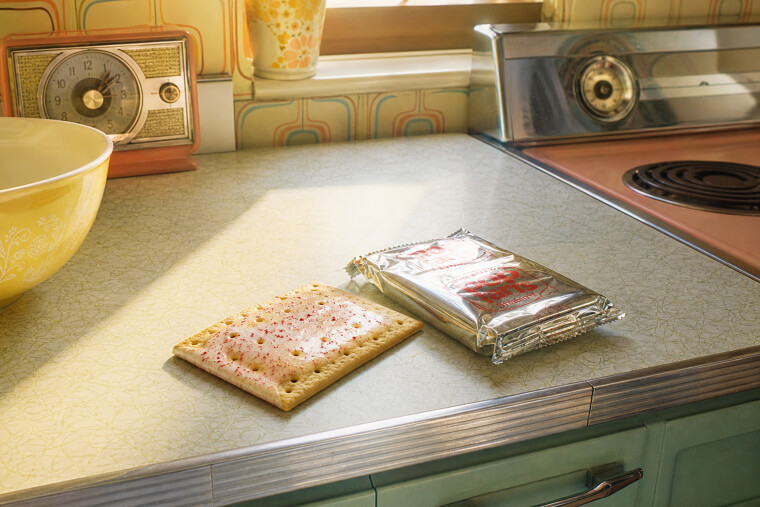
That's the part that stings. It's not just that Pop-Tarts are unhealthy — it's that they never were healthy, and an entire generation trusted them anyway. Sometimes the hardest breakfast foods to let go of are the ones woven into our earliest memories. But speaking of misplaced trust, there's something in nearly every coffee cup in America that deserves the same reckoning.
Powdered Non-Dairy Creamer Isn't Actually Food
Coffee-Mate powdered creamer has sat next to the coffee pot in millions of homes and break rooms since 1961. Your parents used it. You used it. It felt as reliable and familiar as the morning itself. But flip that container around and read what you've been stirring into your cup all these years: corn syrup solids, hydrogenated vegetable oil, sodium caseinate, artificial flavors. There's no cream. There's no milk. There's nothing in it that qualifies as actual food.
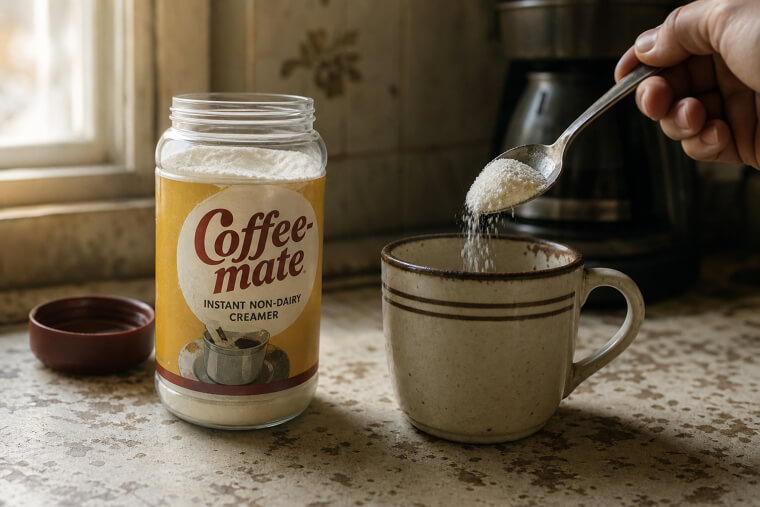
For a generation that trusted this product through decades of weekday mornings, hospital waiting rooms, and church fellowship halls, that ingredient list feels personal. You deserved better from a brand that called itself "Creamer." But after twenty-nine foods to reconsider, the final section offers something different — a simple blueprint for breakfasts worth waking up for.
The Breakfast You Build Yourself Wins Every Time
Here's your simple framework — call it the 60+ Breakfast Blueprint. Start with protein: two eggs, a cup of Greek yogurt, or a scoop of cottage cheese. Add a healthy fat: half an avocado, a tablespoon of almond butter, or a small handful of walnuts. Finish with whole-food carbs: a cup of fresh berries, a sliced banana, or steel-cut oats. That's it. No packages to decode, no ingredient lists to squint at, no hidden sugars waiting to ambush your bloodstream.
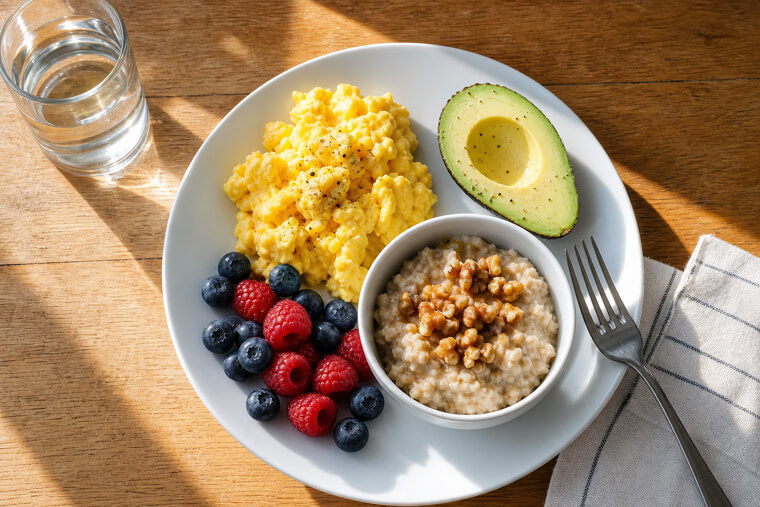
This combination stabilizes blood sugar, protects muscle mass, and keeps you full until lunch — three things every body over 60 desperately needs. Twenty-nine breakfasts to leave behind. One blueprint to carry forward. Tomorrow morning, build your own.Disclaimer: This story is based on real events. However, some names, identifying details, timelines, and circumstances have been adjusted to protect the privacy of the individuals involved. The images in this article were created with AI and are illustrative only. They may include altered or fictionalized visual details for privacy and storytelling purposes