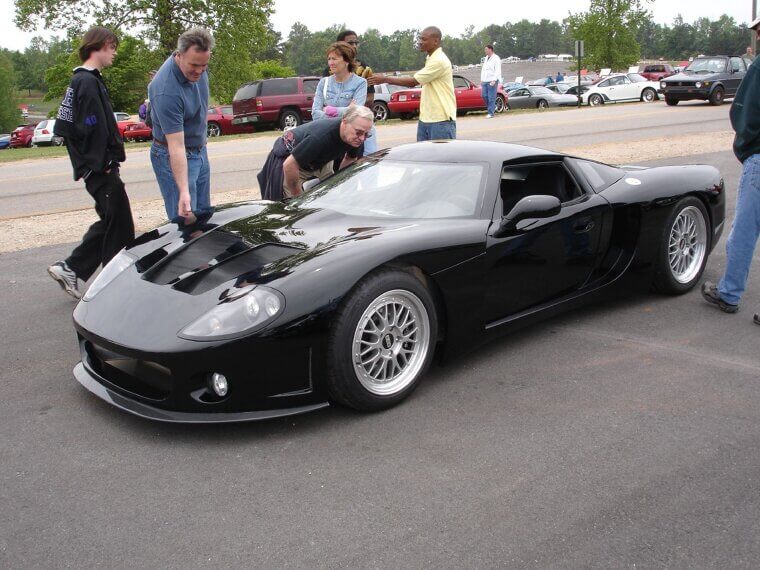
Saleen S7's American Engineering
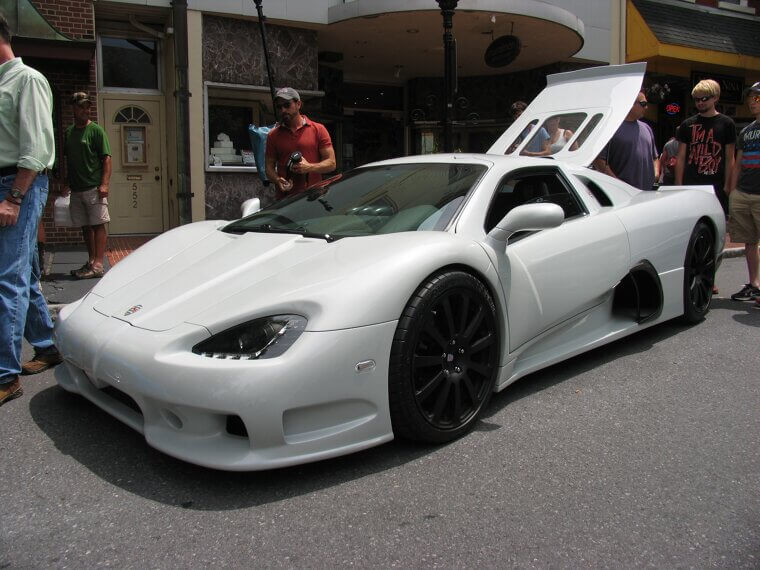
Steve Saleen started out tuning Mustangs in the 1980s, but by 2000 he had built something no one expected from a small California outfit: a mid-engine supercar that could lap a track faster than a Ferrari 550. The S7 used an all-aluminum body, a twin-turbocharged Ford V8, and aerodynamic bodywork developed in a real wind tunnel. When the twin-turbo version arrived in 2005 with over 750 horsepower, it became one of the fastest production cars on the planet. What made the S7 remarkable wasn't just the performance. It was that Saleen did it without the backing of a major automaker, without a billion-dollar factory, and without decades of supercar heritage behind him. Just American engineers solving problems the hard way.
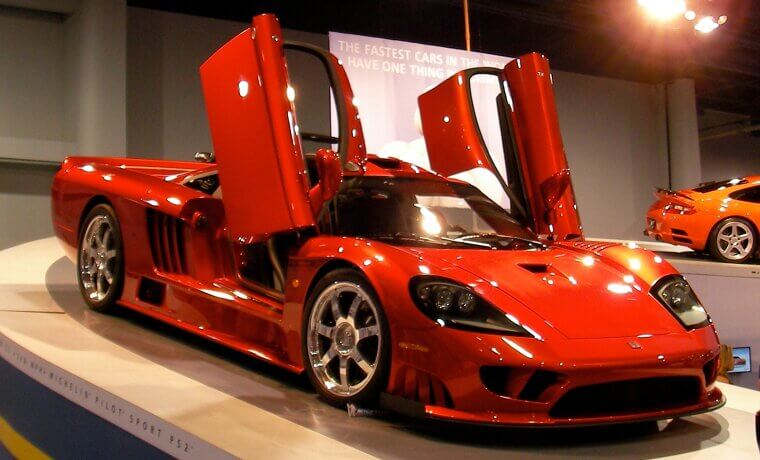
Shelby Cobra's Lightweight Revolution
Carroll Shelby had a simple idea in 1962: take a lightweight British roadster body, drop in a Ford V8, and see what happens. What happened was the Cobra, a car so fast it embarrassed Ferraris that cost three times as much. The secret wasn't horsepower alone. It was the power-to-weight ratio. The Cobra weighed barely 2,000 pounds, which meant that engine had almost nothing to push around. Most American automakers were bolting big engines into heavy steel bodies. Shelby went the opposite direction. That thinking — strip the weight, free the power — would eventually become the foundation for every serious performance car built after it. The Cobra didn't just win races. It rewrote the rulebook.
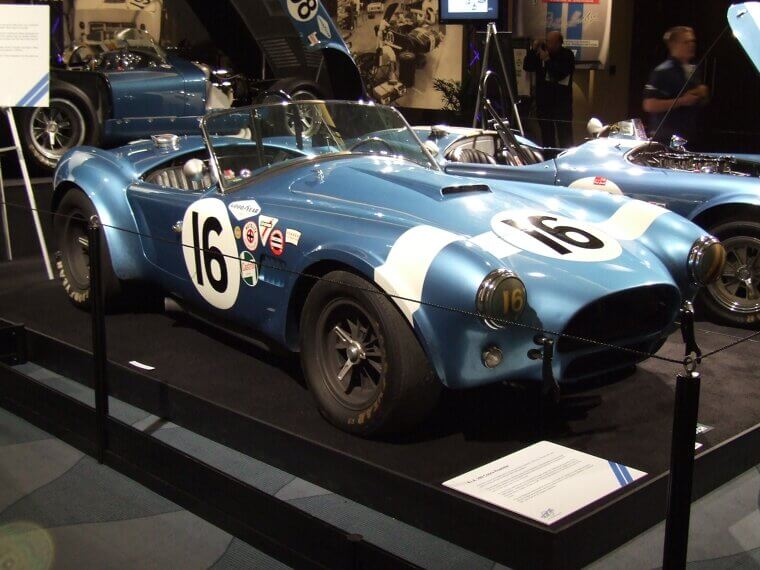
Vector W8's Space-Age Design
When the Vector W8 showed up in 1989, it looked like something that had landed from another decade entirely. The body panels were carbon fiber and Kevlar. The twin-turbocharged V8 was derived from aircraft engine technology. The interior looked like a fighter jet cockpit, with toggle switches and digital readouts at a time when most dashboards still had analog gauges and wood trim. Vector Aeromotive built fewer than 20 of them, which is part of why most people have never heard of the car. But the engineers who paid attention knew they were watching something unusual. A small California company had built a machine that could run with anything in the world, and done it by borrowing ideas from aerospace rather than from Detroit.
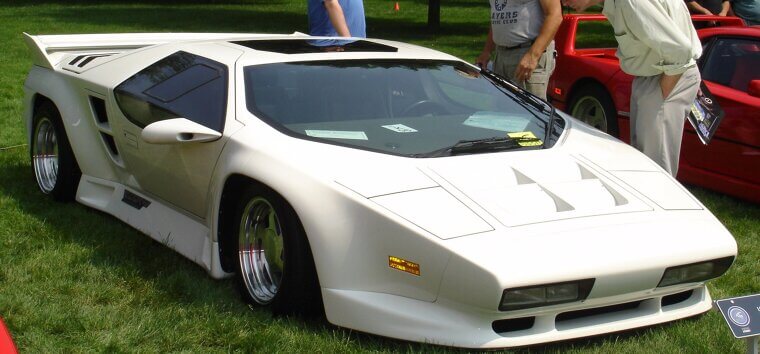
Buick GNX Turbo Power
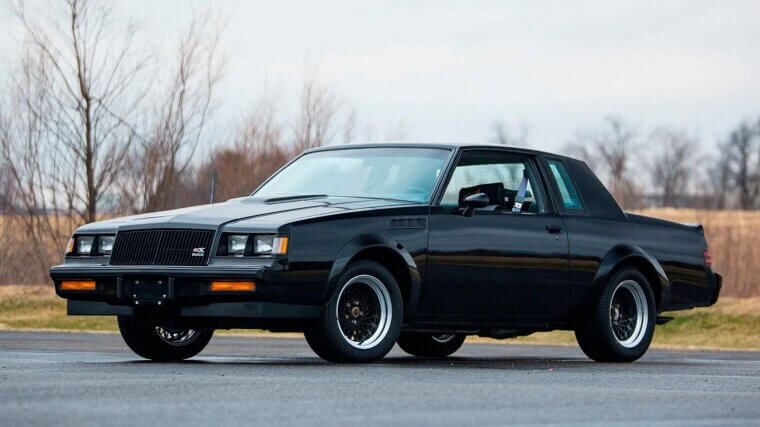
The 1987 Buick GNX came out of a Buick. Let that sink in for a second. This was a brand associated with your dentist's driveway, not the drag strip. But the GNX, built in partnership with McLaren Engines, put out around 276 horsepower on paper — and most people who drove them back-to-back with a Corvette will tell you the real number was higher. The turbocharged 3.8-liter V6 loved cool night air, and in the right conditions it ran the quarter mile in the low 13-second range. Only 547 were built. Buick quietly killed the model the following year, which made the GNX an instant collector car almost before the ink was dry on the window stickers. Black paint, blacked-out trim, and a sleeper reputation that still holds up today.
Ford GT40's Racing Legacy
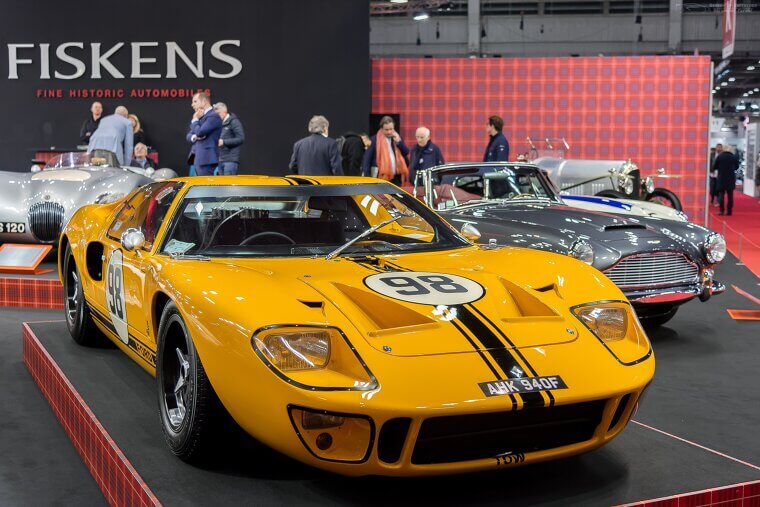
Ford built the GT40 for one reason: to beat Ferrari at Le Mans. Enzo Ferrari had humiliated Henry Ford II during a failed acquisition deal in 1963, and Ford responded by pouring serious money into a racing program with a very specific goal. The GT40 delivered. It won Le Mans four consecutive times from 1966 to 1969, including a famous 1-2-3 finish in '66 that made the front pages of newspapers across the country. The name came from the car's height — 40 inches from the ground to the roof. It was so low that tall drivers had to tilt their helmets just to get in. The technology Ford developed for that car, particularly around aerodynamics and mid-engine packaging, showed up in production cars for years afterward.
Dodge Viper's Raw Performance
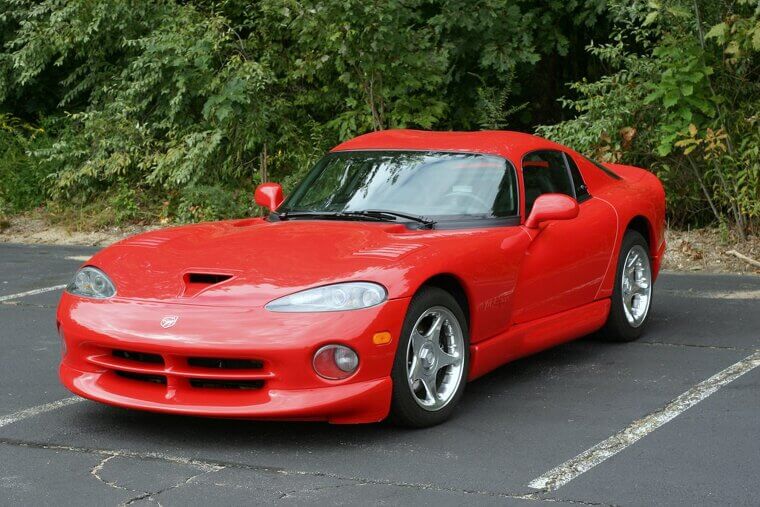
The original Dodge Viper from 1992 had no traction control, no ABS, no stability system, and side exhausts that would burn your leg if you stepped out carelessly. It had an 8.0-liter V10 borrowed from a truck program and a manual gearbox with a shifter that felt like stirring concrete. Car magazines called it dangerous. Buyers lined up anyway. The Viper was a direct challenge to the idea that American performance cars needed to be softened and managed. It was loud, physical, and entirely unforgiving of mistakes. That was the point. At a time when most sports cars were adding computers and cushioning, Dodge built something that required the driver to actually drive. It had no safety net, and that honesty is exactly what made it iconic.
Mosler MT900's Track Focus
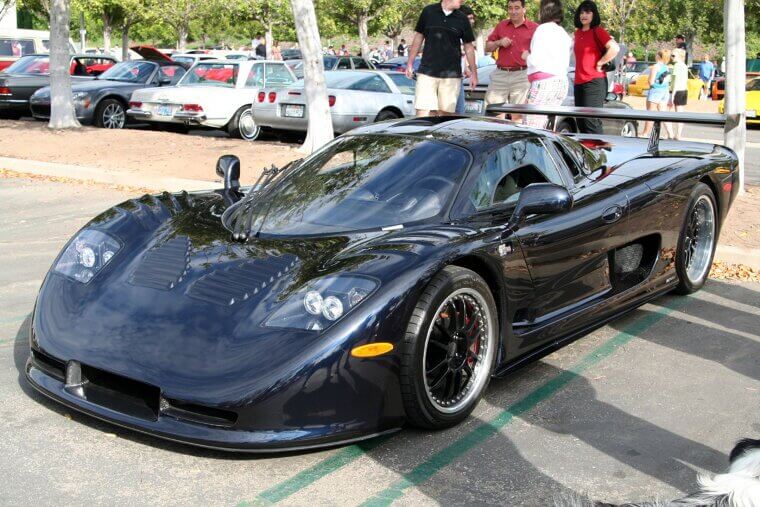
Warren Mosler made his money in finance, but his real obsession was racing. The MT900 he developed in the early 2000s was built around a single principle: the fastest way around a track is to carry as little weight as possible. The carbon fiber body weighed almost nothing. The mid-mounted GM V8 was reliable and well-understood. The suspension geometry was lifted directly from racing experience rather than adapted from a road car platform. In GT racing, the MT900 was genuinely competitive against cars from manufacturers with far larger budgets. Most people outside of motorsport circles have never heard of it, which is a shame. It represents what happens when someone with real engineering discipline decides to build a car without compromise or committee approval.
SSC Ultimate Aero's Speed
In 2007, a small company out of West Richland, Washington, claimed the title of world's fastest production car. The SSC Ultimate Aero hit 256 miles per hour on a closed stretch of highway in Washington state, a number that Guinness certified and the automotive press spent months arguing about. The twin-turbocharged V8 produced over 1,000 horsepower. The body was all carbon fiber. The whole project came out of a company called Shelby SuperCars — no relation to Carroll Shelby — run by Jerod Shelby, who had been working toward that record for years. The Ultimate Aero held the top speed record until Bugatti reclaimed it with the Veyron Super Sport in 2010. For three years, the fastest production car in the world was American-made and built by a company most people had never heard of.
Panoz Esperante's Aluminum Frame
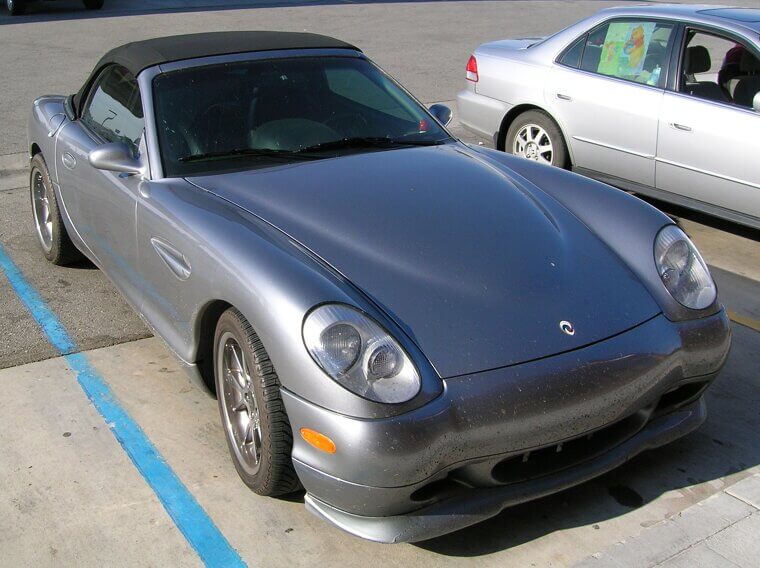
Don Panoz built his fortune in pharmaceuticals, but he poured a significant piece of it into a Georgia-based car company that most enthusiasts still overlook. The Esperante used an all-aluminum frame at a time when most production sports cars were still built around steel. Aluminum is lighter and resists corrosion better, but it's harder to work with and more expensive to produce. Panoz didn't care. The Esperante also used a front-engine, rear-wheel-drive layout with the engine pushed back behind the front axle for better balance — a setup that Panoz's racing experience had proven out on track. The car never sold in huge numbers, and the company went through several ownership changes over the years. But the engineering decisions made on that aluminum frame were ahead of what mainstream manufacturers were doing at the time.
Corvette ZR1's Carbon Fiber
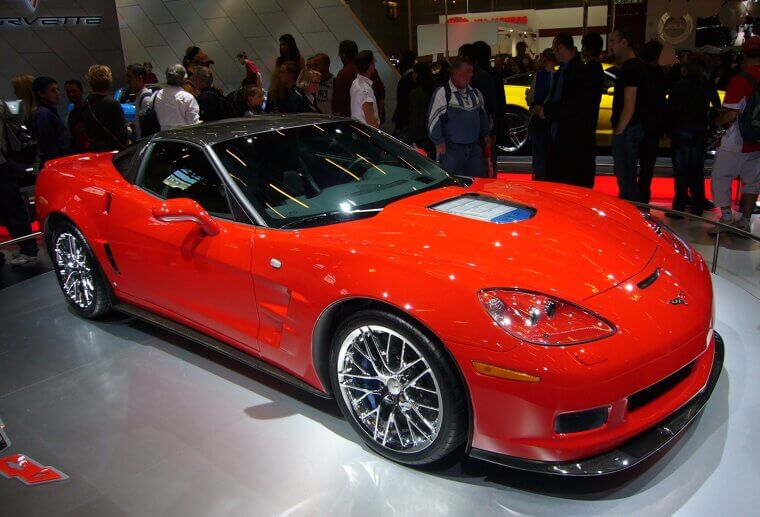
The C6 ZR1, which arrived for the 2009 model year, brought something to a production Corvette that had never been there before: a carbon fiber roof panel and a carbon fiber front splitter as standard equipment. Not as options. Standard. The supercharged 6.2-liter LS9 engine produced 638 horsepower, which was enough to embarrass cars costing four times as much. But it was the structural use of carbon fiber that pointed forward. GM's engineers had figured out how to integrate composite panels into a mass-production sports car at a price that real buyers could afford. The ZR1 was proof that American engineers could work with exotic materials without exotic price tags. It ran to 205 miles per hour and cost around $105,000 — a bargain by any measure at that performance level.
Plymouth Superbird's Aerodynamics
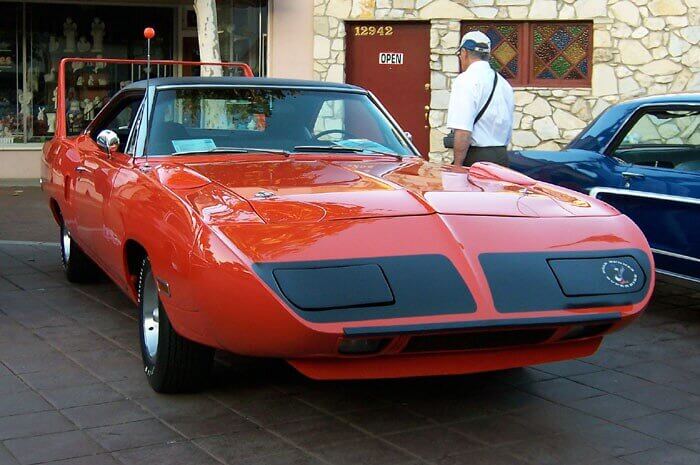
NASCAR in 1969 was a horsepower war, and Plymouth brought a weapon. The Superbird had a nose cone that extended nearly two feet ahead of the front bumper and a rear wing tall enough to stand under. The aerodynamic package was developed specifically for superspeedways like Daytona and Talladega, where top speed mattered more than anything else. Richard Petty drove one to victory. On the street, the Superbird looked absolutely absurd. Neighbors stared. Kids pointed. But at 200 miles per hour on a banked oval, every one of those strange shapes was doing exactly what the engineers intended. NASCAR eventually banned the car because it was too fast. That's the kind of problem most manufacturers would love to have. The Superbird is now one of the most valuable muscle cars in existence.
Hennessey Venom's Twin Turbos
John Hennessey started his company in the early 1990s building modified Vipers and Corvettes for customers who felt that factory performance wasn't quite enough. By 2012, he had built the Venom GT, a car based loosely on a Lotus Elise chassis but powered by a twin-turbocharged 7.0-liter V8 producing over 1,200 horsepower. In 2014, a Venom GT ran 270 miles per hour at Kennedy Space Center, using the shuttle landing strip as a test track. The run was unofficial by Guinness standards because it was only done in one direction, but the speed was real and documented. Hennessey later developed the Venom F5 to pursue the record properly. The twin-turbo approach — massive displacement plus forced induction — was the same formula drag racers had been using for decades. Hennessey just applied it to a road car.
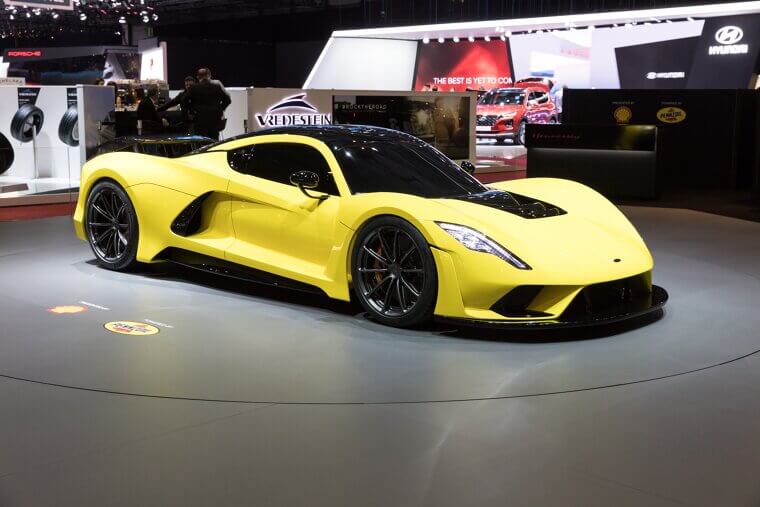
Falcon F7's Modern Classic
The Falcon F7 came out of a small shop in Michigan around 2012, built by a guy named Jeff Lemke who had spent years in the automotive industry before deciding to do things his own way. The carbon fiber body was made in-house. The LS7 V8 came from GM, which kept costs manageable and parts availability simple. The whole car weighed around 2,500 pounds. Lemke's goal was to build something that felt like a race car but could be driven to dinner without destroying your back. The F7 never got the press coverage it deserved, partly because Lemke wasn't interested in marketing stunts and partly because the car was built in genuinely small numbers. But the people who drove it came away talking about the steering feel and the balance, which is about the highest compliment you can give a sports car.
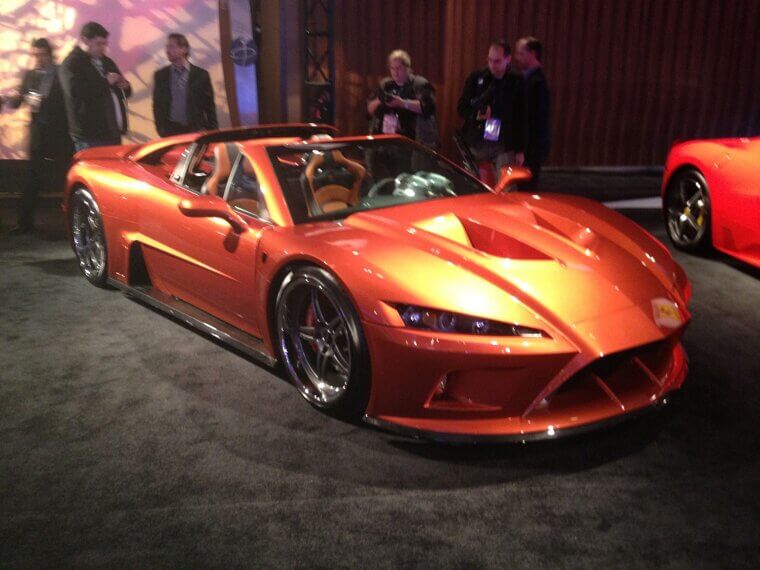
Rezvani Beast's Minimalist Approach
Ferris Rezvani launched his car company in 2014 with a car called the Beast, and the name was chosen carefully. The Beast used a carbon fiber body stretched over a frame derived from the Ariel Atom, a British track car known for having almost no bodywork at all. The engine was a supercharged Honda unit producing around 500 horsepower in the most aggressive version. The whole point was minimalism — no unnecessary panels, no heavy sound deadening, no creature comforts that would add weight without adding speed. It was a philosophical statement as much as a car. Rezvani's approach was to ask what a car actually needs to be fast, then remove everything else. In an era when performance cars were getting heavier and more complex every year, that kind of thinking stood out.

Rossion Q1's Racing DNA
The Rossion Q1 had a complicated history before it ever turned a wheel under that name. It was based on the Noble M400, a British sports car with a strong racing reputation, but built under license in Florida by a company that eventually became Rossion. The twin-turbocharged Ford V6 sat mid-ship. The fiberglass body was light. The whole package was tuned for track use first and road use second, which meant the steering was direct, the suspension was firm, and the driver felt everything. Rossion built the Q1 in small numbers through the early 2010s, which kept it off most people's radar. But in track day circles, it was well-regarded as a car that could embarrass far more expensive machinery without requiring a factory support crew to keep it running.
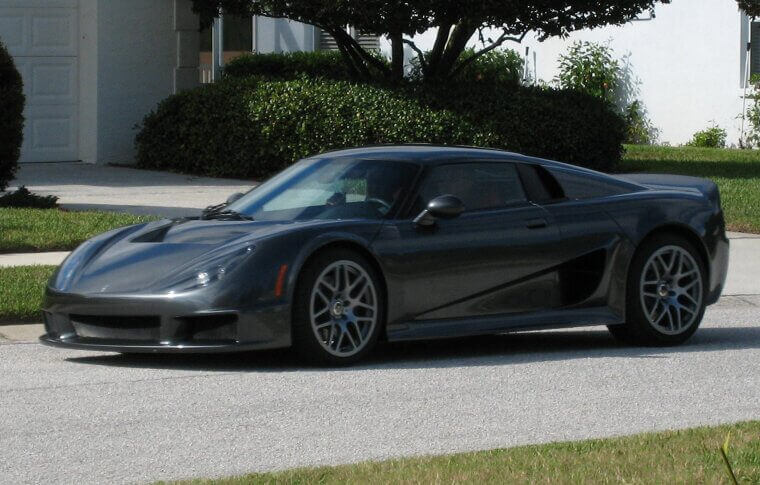
Factory Five GTM's Kit Innovation
Factory Five Racing out of Massachusetts has been selling kit cars since the mid-1990s, but the GTM was something different from their earlier Cobra replicas. The GTM was an original mid-engine supercar design, built around a steel tube frame and powered by a Corvette LS V8. Buyers purchased the kit and assembled the car themselves, which kept the cost low enough that a finished GTM could be built for around $30,000 to $40,000 depending on the parts chosen. The performance was legitimate — low weight, proven drivetrain, and a mid-engine layout that handled properly. The GTM proved that the barrier to building a real supercar wasn't exotic materials or factory tooling. It was engineering knowledge and the willingness to do the work. Factory Five made both of those things accessible.